ORANGUTANS
Orangutans are a keystone species in the tropical rainforests of Borneo and Sumatra - but they are critically endangered. By conserving orangutans, we ensure their future and preserve their ecosystem role, which in turn safeguards the future of the forest and the many other species within.
how we help conserve orangutans…
Rescue and Release
Our team in Indonesia are on call to assist BKSDA (Natural Resources Conservation Agency for Central Kalimantan) with orangutan rescues. Rescues are required when displaced orangutans become stranded outside of forested areas.
80% of orangutans live outside of protected areas and are at high risk of conflict with humans. In the past, rescues occurred mostly in oil-palm plantations, but we are increasingly attending rescues in villages and community gardens as human expansion continues.
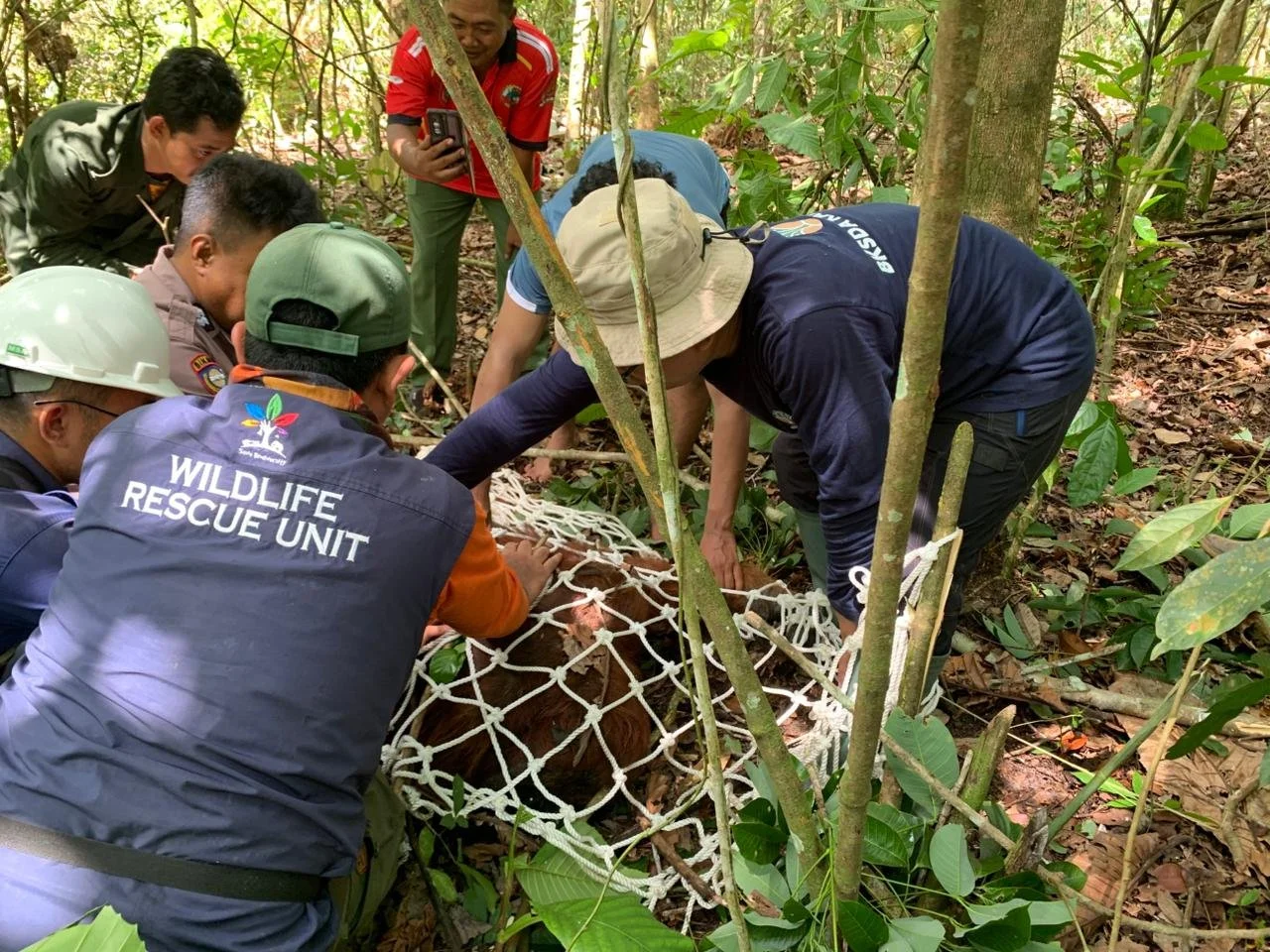
The continued loss of orangutan habitat paired with changing seasons due to climate change (which impacts fruit availability) will only increase this threat and need for rescues in the future.
Learn more about how we are working with communities to reduce habitat encroachment and human-orangutan conflict.


Soft-release programme
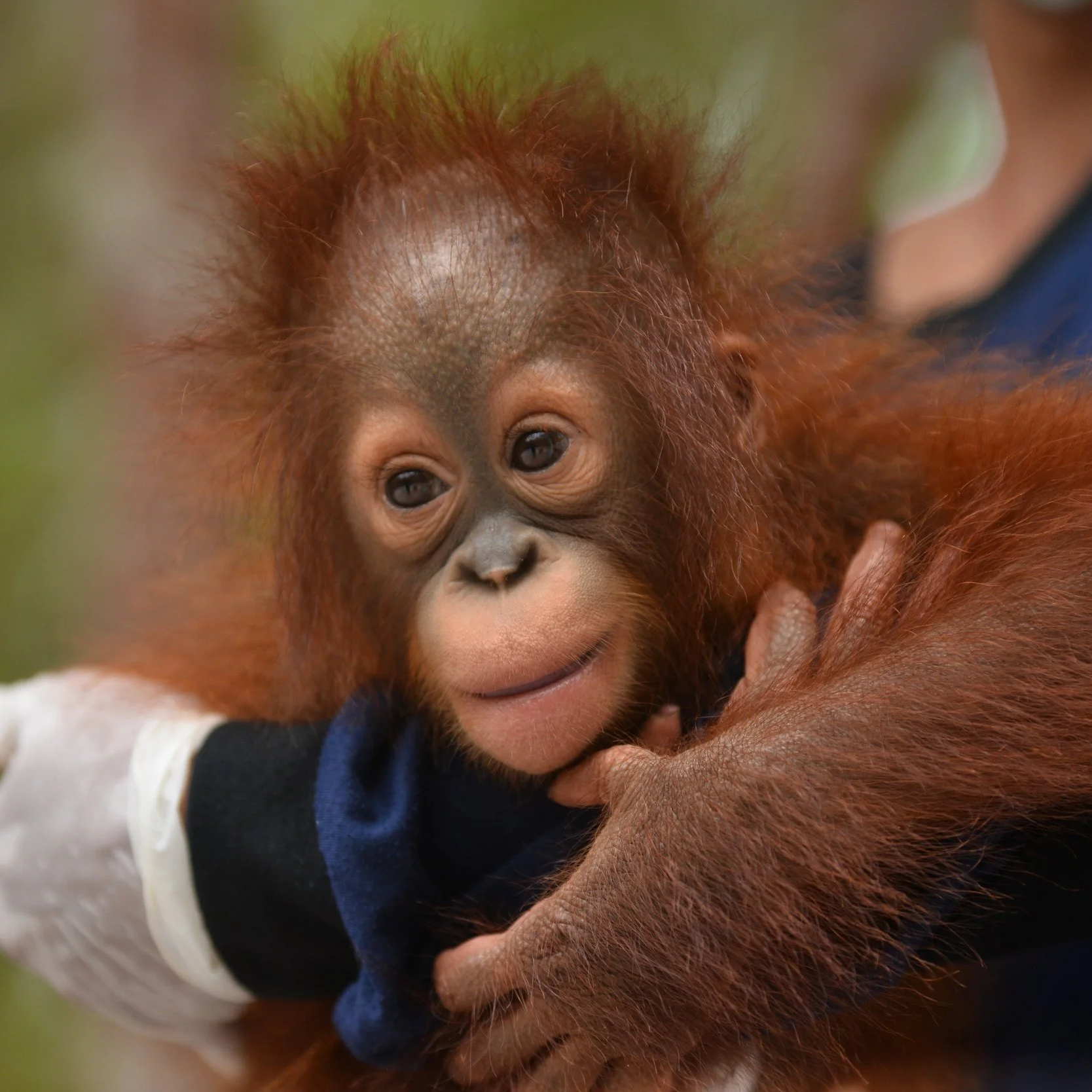
We also rescue orphaned orangutans, mostly from being kept as pets or being trafficked in the illegal pet trade. Without their mothers, these orangutans are almost always too young to be released into the wild alone.
The soft-release programme is run across our four camps in Lamandau Wildlife Reserve. These camps function dually as post-release monitoring camps to observe orangutans returned to the wild, and as care sites for rescued orphans.
Here the young orangutans are given a second chance at an independent life in the wild, with a safe place to sleep at night and a protected forest to explore during the day. The orangutans are cared for by our camp staff and receive monthly health checkups from our vets.
The soft-release orangutans need your help!
It takes up to eight years for an infant orangutan to be ready for release into the wild. They must learn three vital skills: climbing, foraging and nest-building (did you know that orangutans build a new nest to sleep in every night?!).
You can adopt an orphaned orangutan from as little as £30 a year to support their journey back into the wild. You will receive bi-annual updates on their progress alongside copies of our Red Ape newsletter, showing how your support is making a difference.
Currently we care for six orangutans in our soft-release programme and to date 25 orphaned orangutans have been released back into Lamandau Wildlife Reserve.
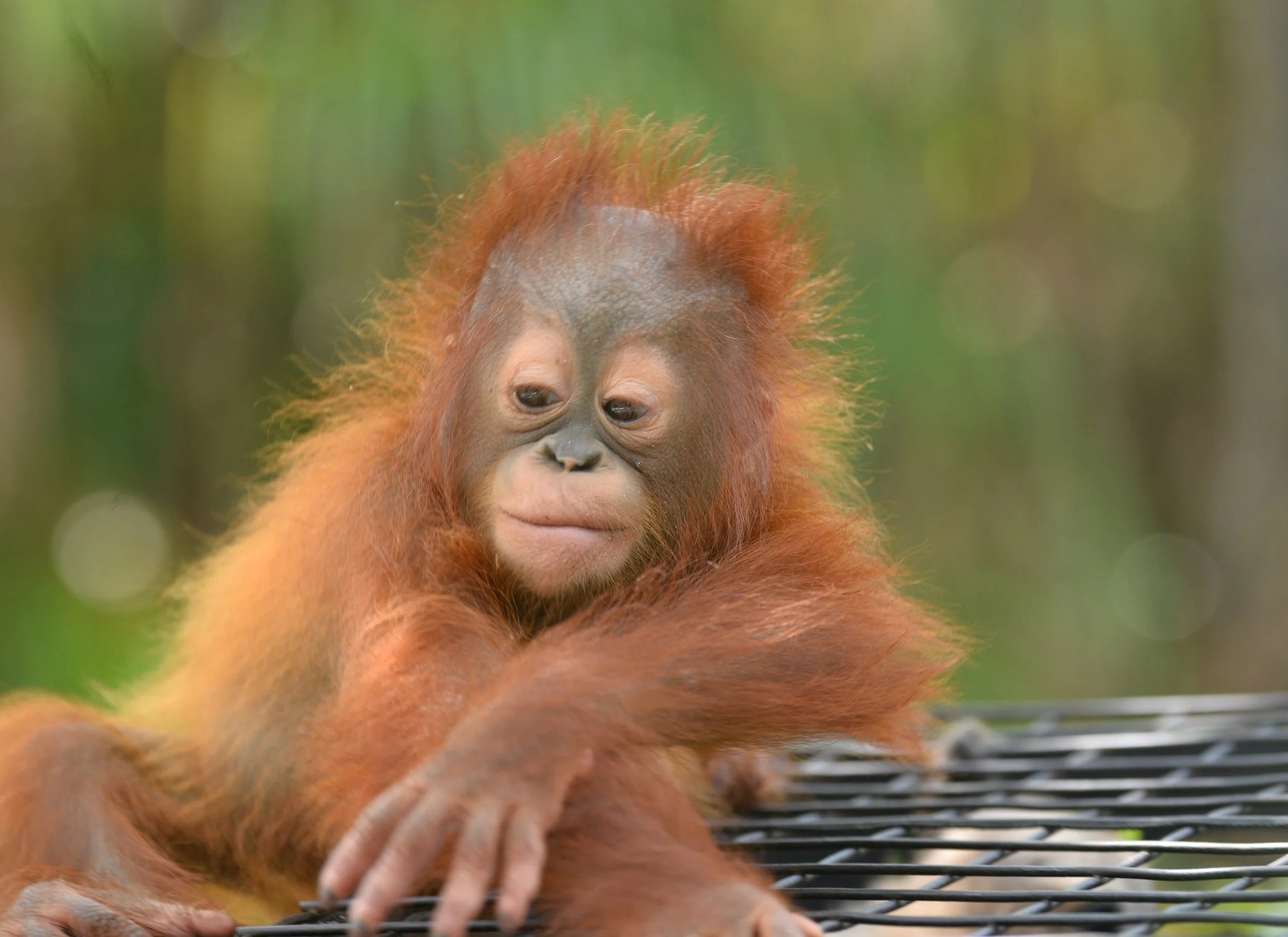
Meet the CURRENT soft-release programme orangutans…



Population monitoring
Our four release camps in Lamandau Wildlife Reserve operate as our post-release monitoring programme. The population of orangutans in the Reserve combine reintroduced, wild, and soft-release orangutans.
By monitoring the local orangutan population, we can gain valuable insights into their behaviours and ensure that conservation decisions improve their quality of life. The ongoing monitoring programme also allows us to record family lineages, measure our impact, and ensure released orangutans settle into their new habitat. To date we have recorded over 100 wild orangutan births in the Reserve from both wild and reintroduced orangutans!
Help us continue monitoring and safeguarding this habitat for orangutans like Sheila and Silva (pictured) and join a community of passionate orangutan advocates!