6,000 wild Bornean orangutans live in the Belantikan region. The largest population outside of a protected area. Orangutan Foundation actively engages key stakeholders to conserve this critical tropical forest ecosystem.
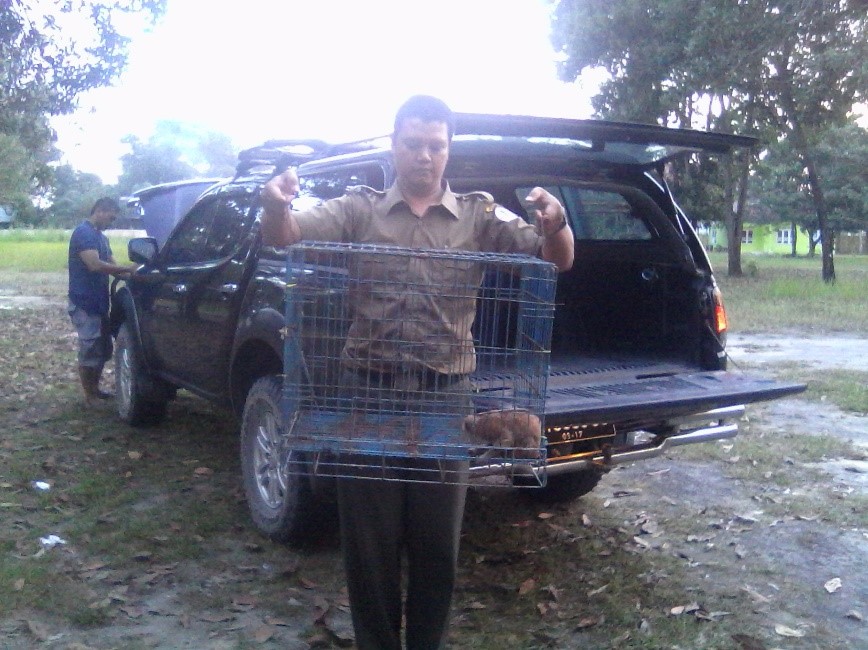
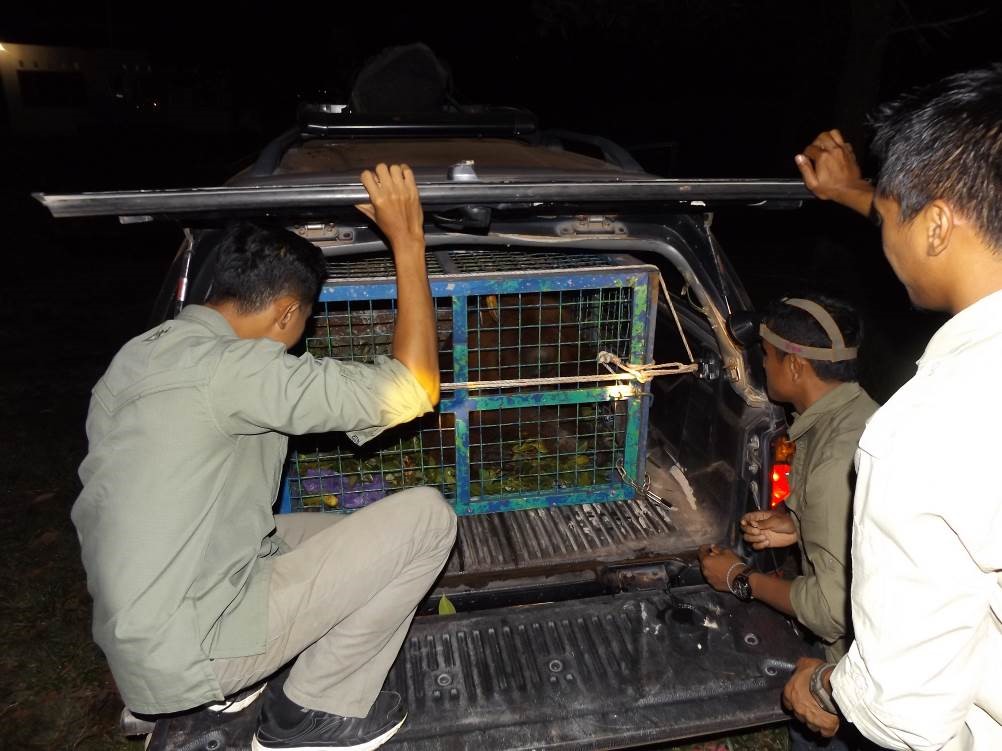
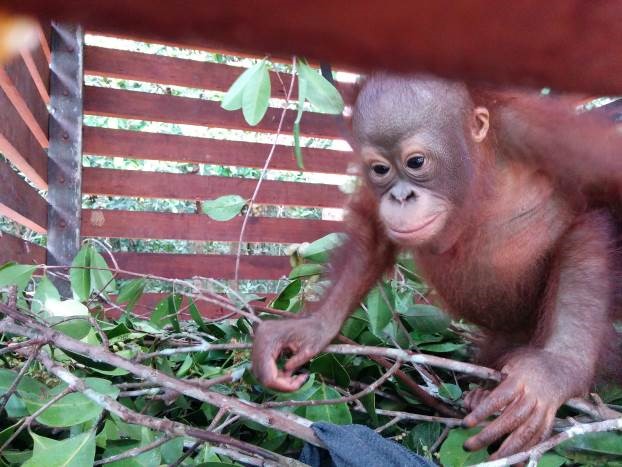
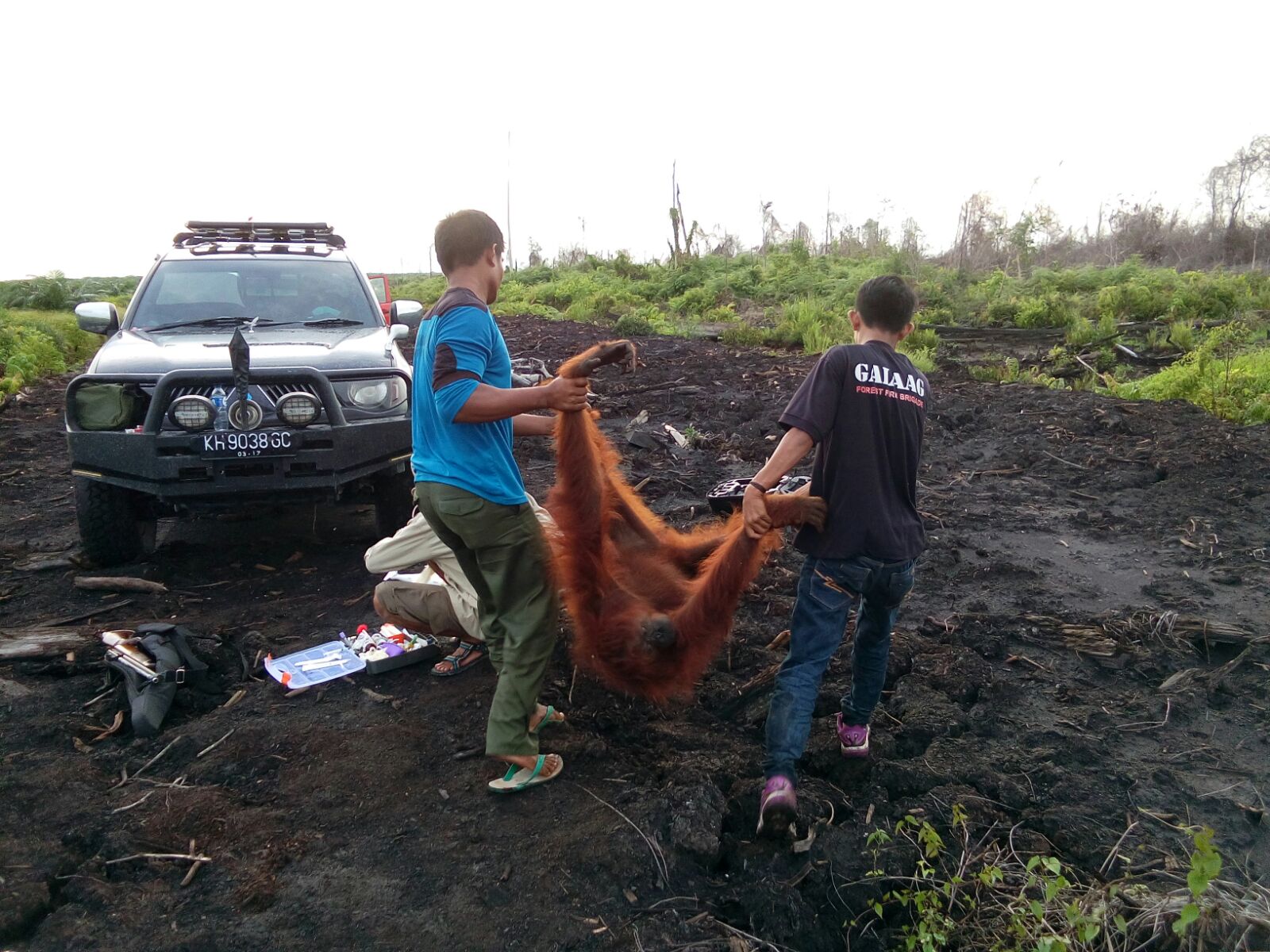
33 wild orangutans rescued. One particularly poignant rescue was Narti, who was found completely stranded, clinging to the burnt remnants of a tree surrounded by oil palms.
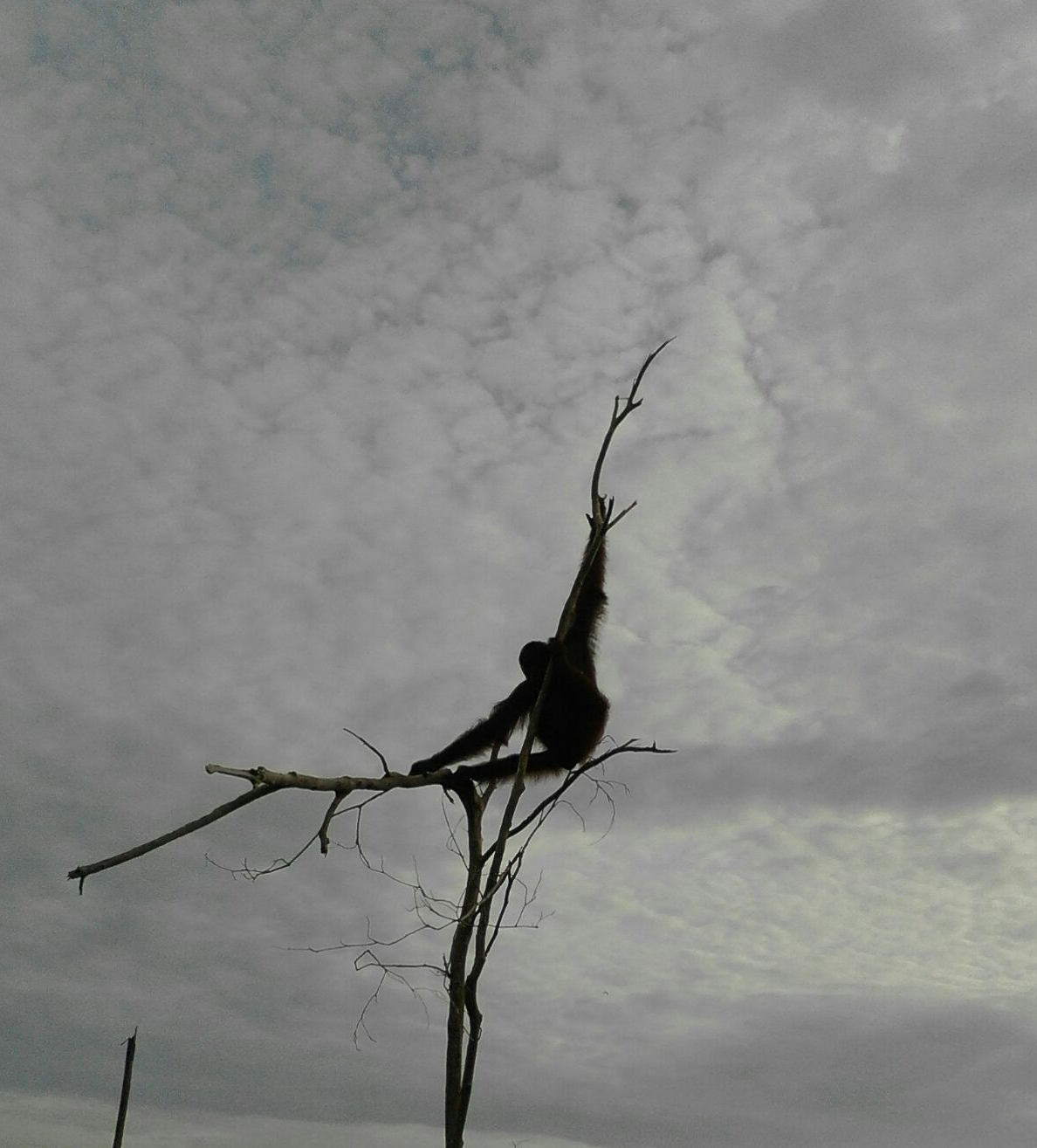
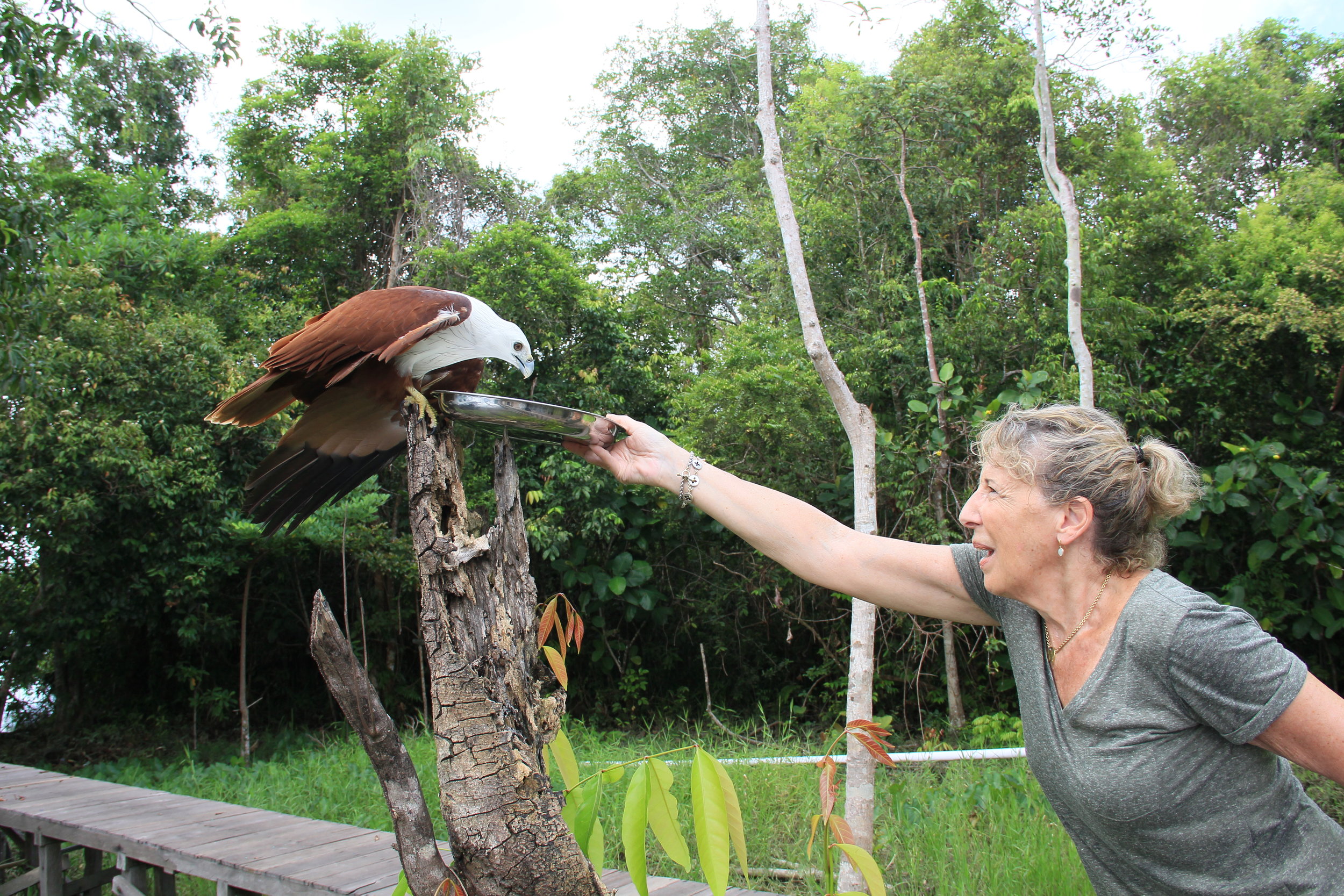
36 rescues of other wildlife species. All released into the safety of the Lamandau Wildlife Reserve.
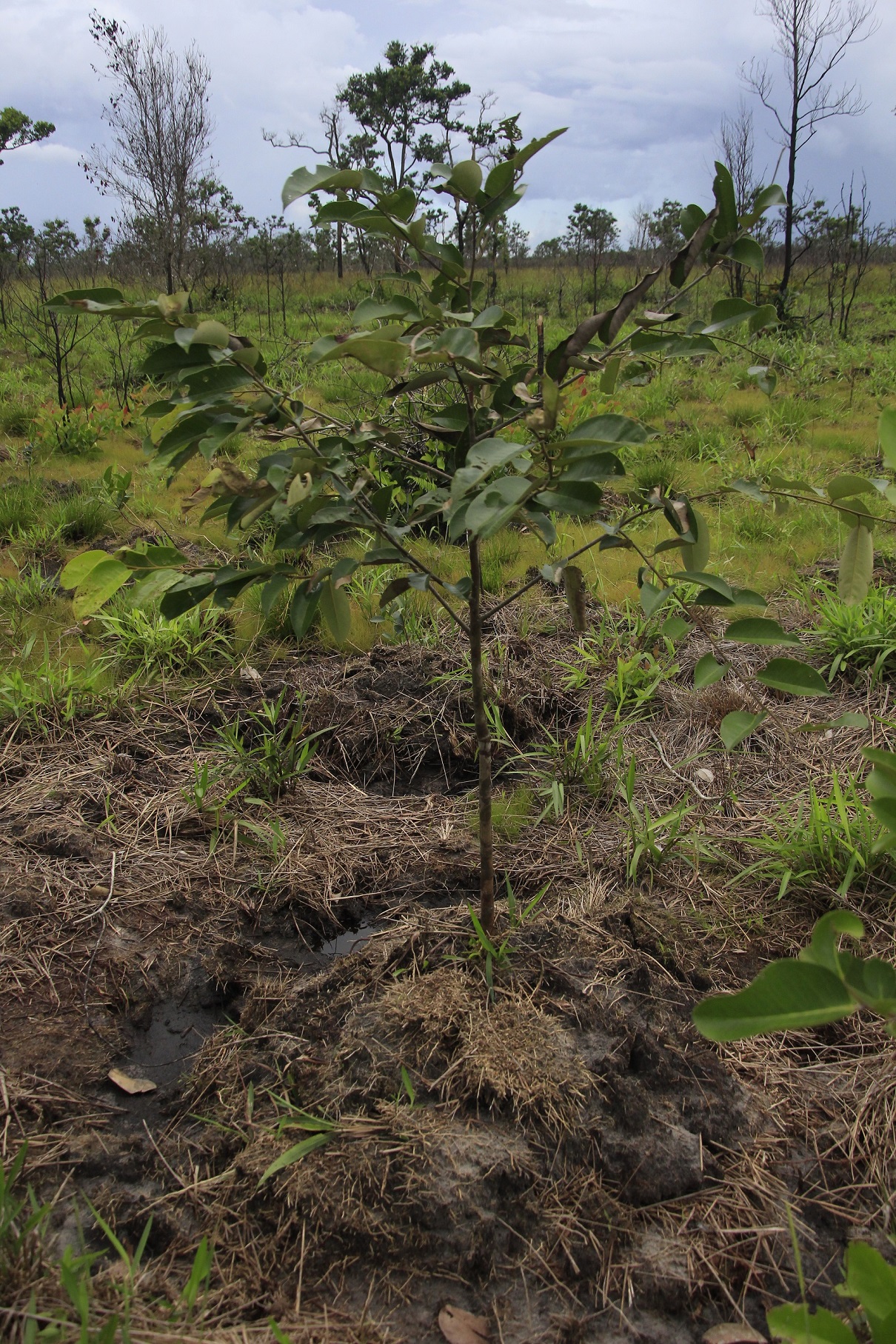
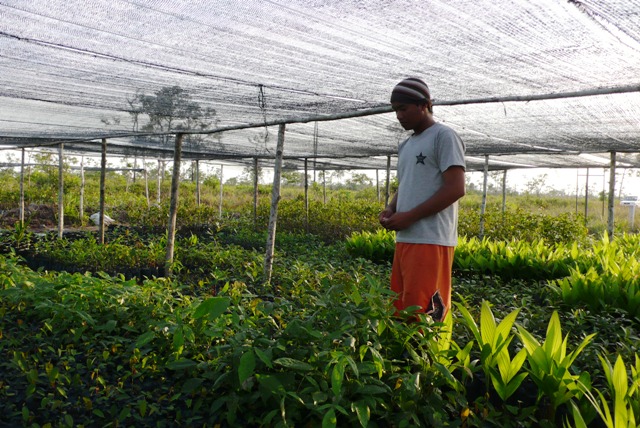
16,000 Ubar tree seedlings nurtured and planted to restore areas of the Lamandau Wildlife Reserve damaged by forest fires in 2015.
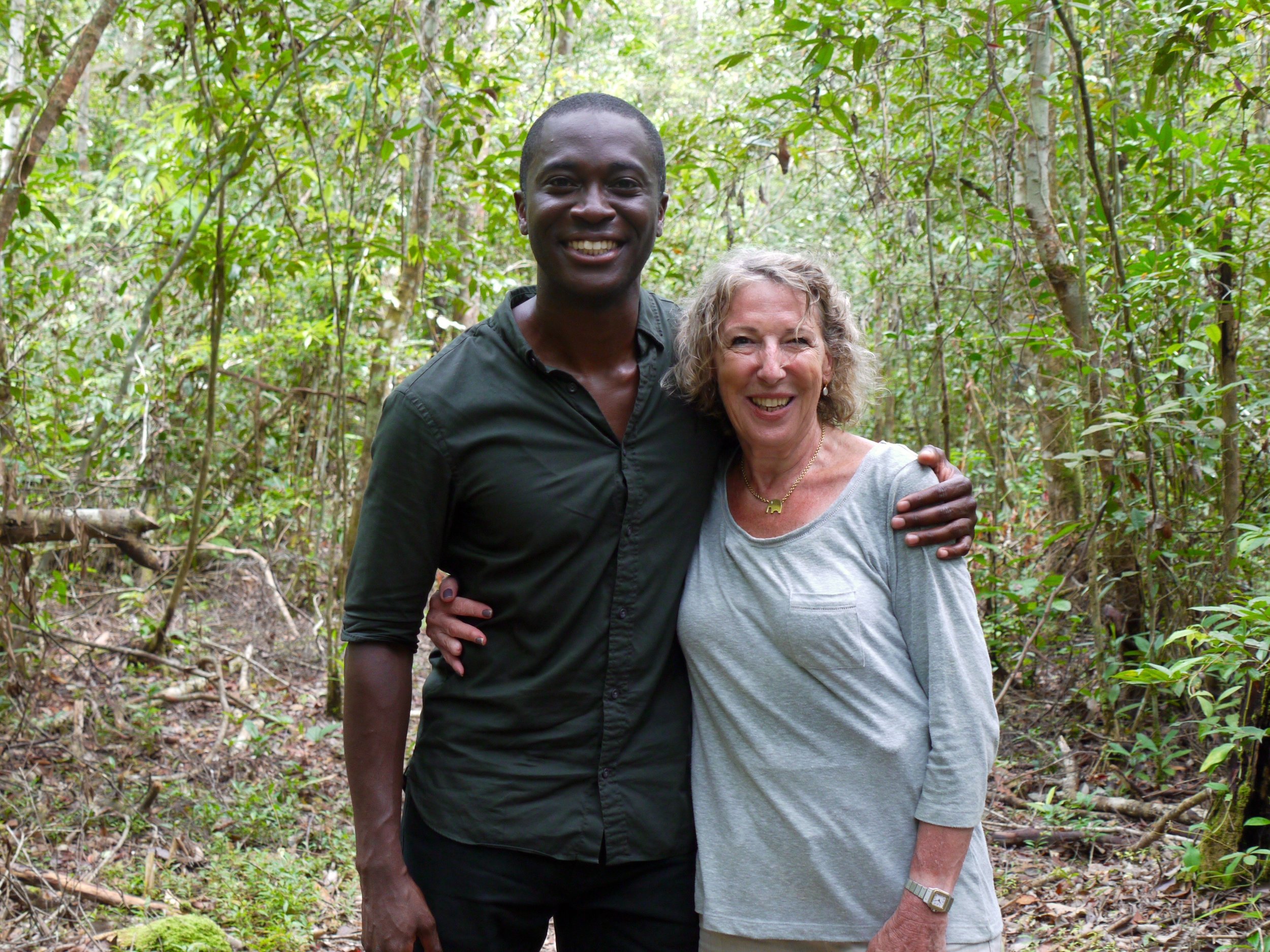
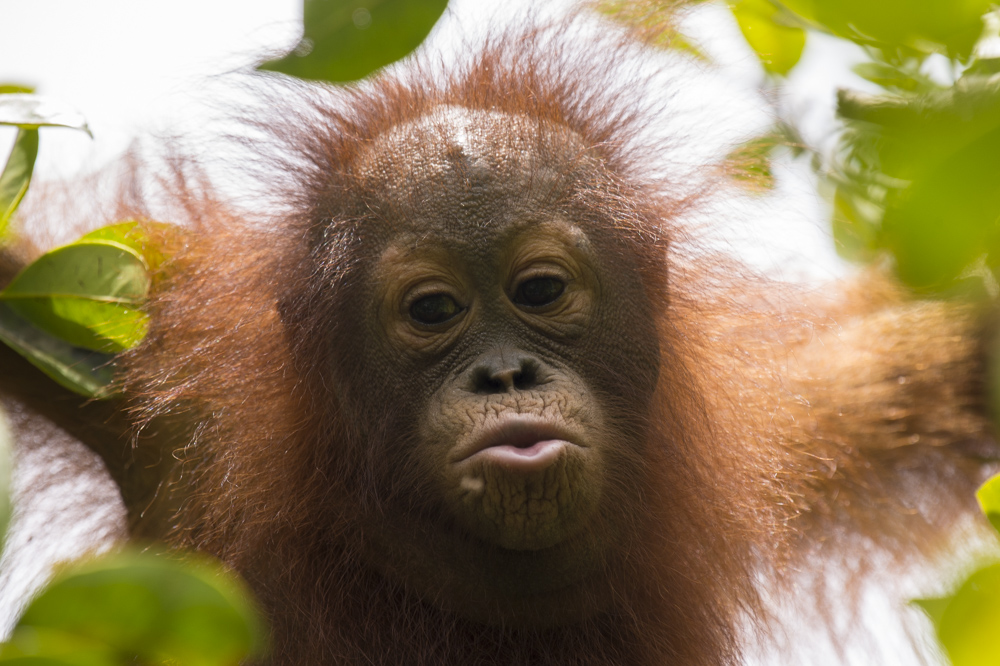
One new patron. Patrick Aryee and Offspring Films visited our work in Borneo to film for “Monkeys: An Amazing Animal Family”, a three-part series which first aired on Sky 1, on Christmas day. Star of the show, was Okto who was charmed by Patrick’s presenting skills!
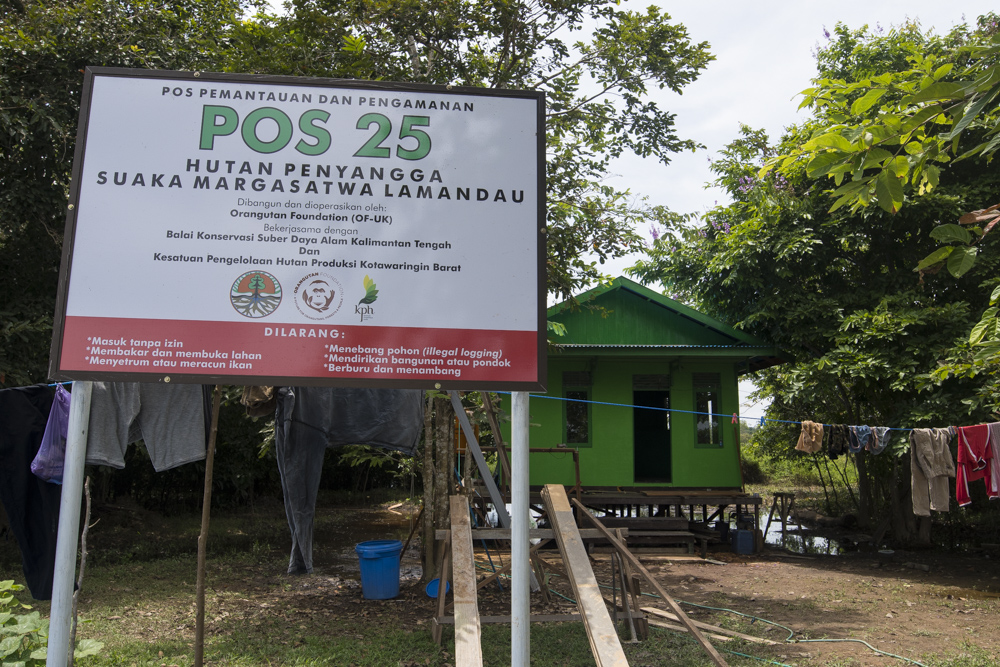
Eight volunteers and one new guard post. In July, the construction of Guard Post 25 began. Now up and running, this guard post is critical for the protection of the new 8,000 hectare extension of the Lamandau Wildlife Reserve.
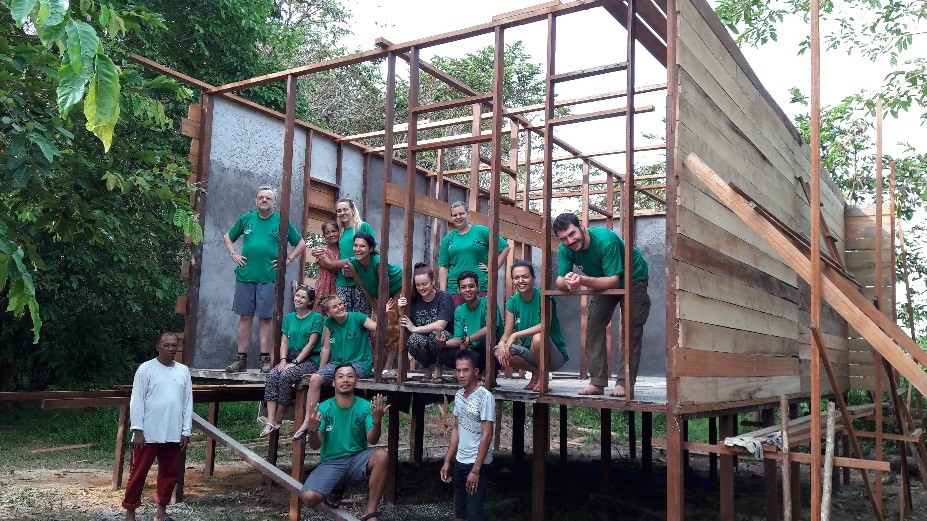
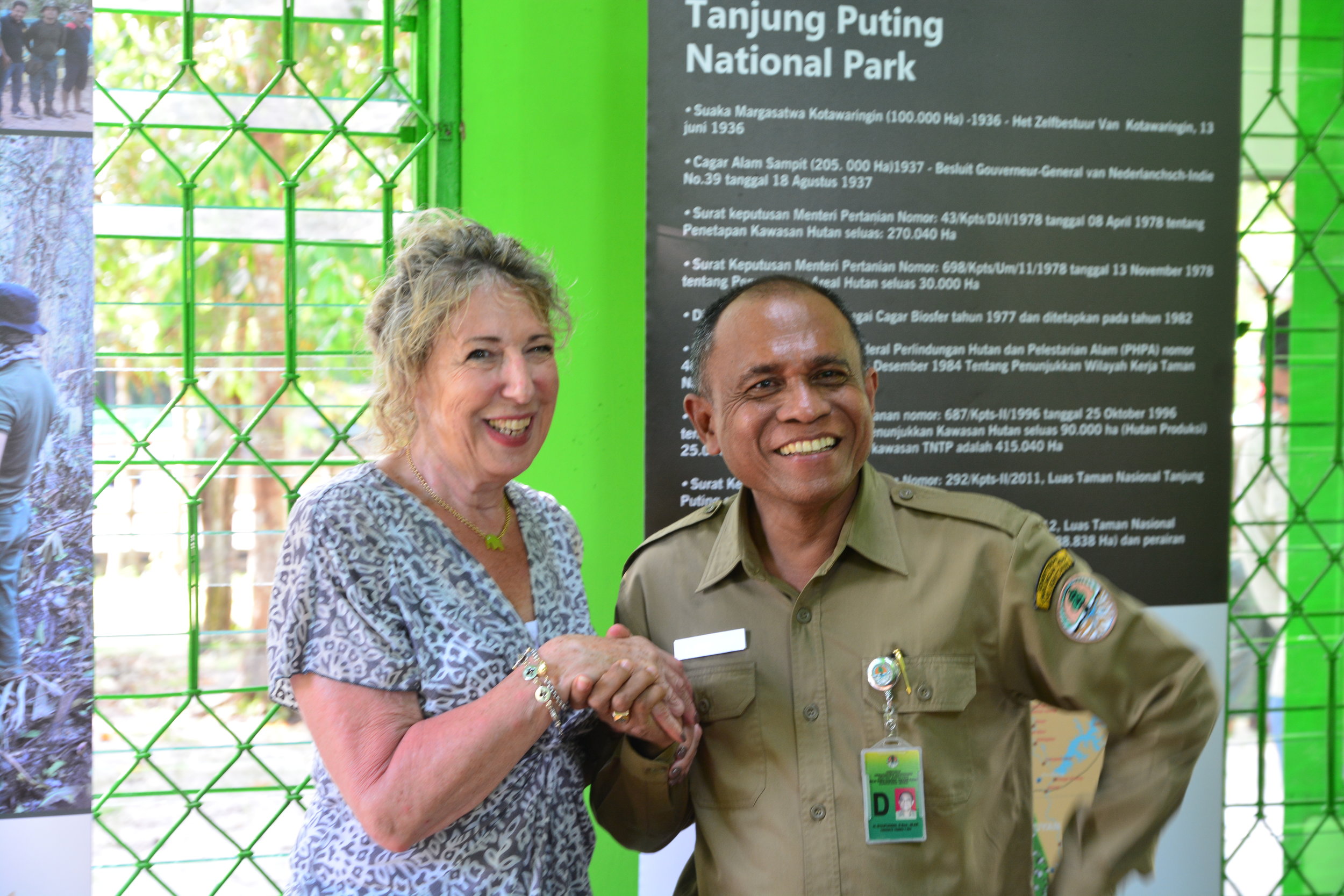
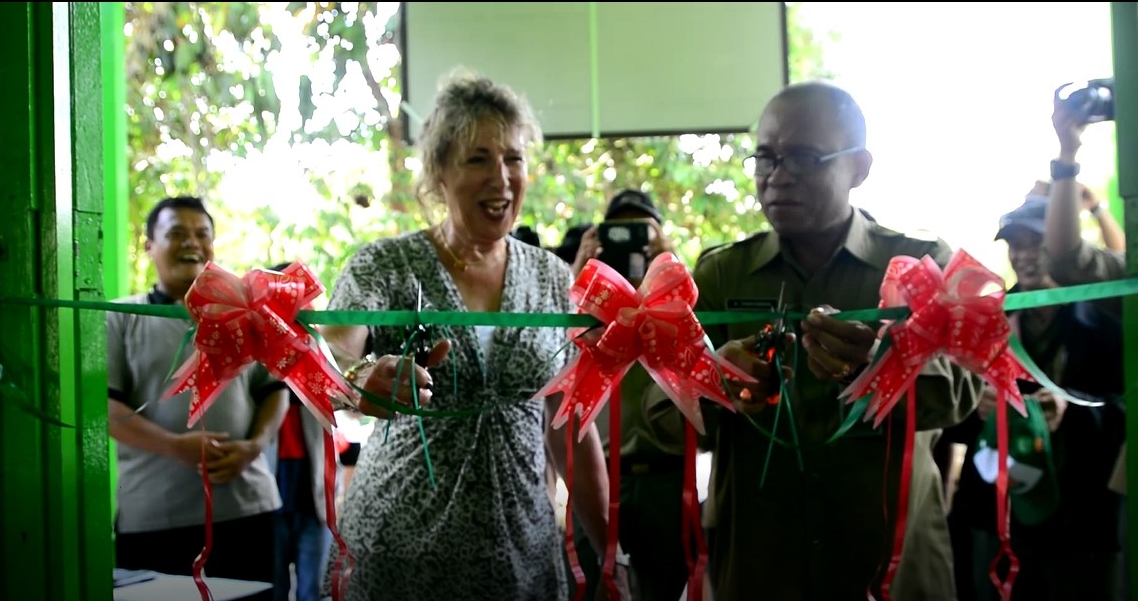
Our 25th anniversary year saw the opening of Tanjung Harapan’s Information Centre, in Tanjung Tanjung Puting National Park. Renovated by our 2015 volunteers and designed by the Cube in Residence Programme.
104 air rifle pellets were found in lodged in orangutan Aan, 32 of which in her head left her blind, in 2012. In October 2016, ophthalmic surgeon, Claudia Hartley, visited Aan to assess the permanence of her blindness.
What a wonderful start to 2017 to have the chance to restore Aan's sight. Claudia Hartley will be returning the to field with her team and specialist equipment in February to remove a cataract, currently affecting Aan's vision in her one remaining eye.
DONATE NOW to help us to raise £2000 to fund this vital operation to give Aan a second chance in the wild.
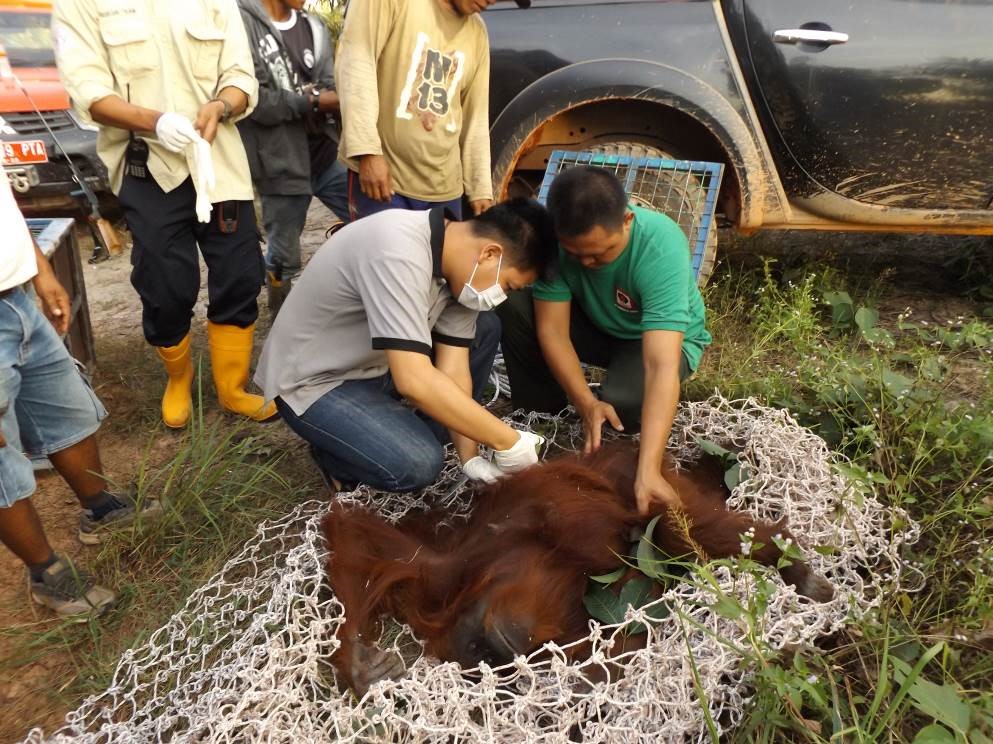
As 2016 comes to an end, we have received news of yet another orangutan rescued from an oil-palm plantation - read our vet's blogpost below. Please support our vital work protecting orangutans and their globally important habitat - donate here
Yesterday we attended a meeting with BKSDA (Indonesian Nature Conservation Agency). Whilst we were there Pak Agung, the head officer, received a call from an oil-palm plantation, in the Sampit area, to rescue an orangutan. The Orangutan Foundation's rescue team immediately jumped into action to respond to the rescue call.
After a 4 hour journey we arrived at the location and were immediately met by the authorities from the plantation office, who directed us to the orangutan. We found the orangutan in a tree. We used a tranquilliser gun and once anaesthetised, the orangutan was identified as female, around 16 years old and her weight is around 30 Kg.
The condition of her body looks thin, maybe because she lacks food. After examining, I give de-worming drug and vitamins to help restore her health. As the orangutan came round after the anaesthetic, her behaviour became very aggressive and she was quite stressed.
She will be translocated to the protected Lamandau Wildlife Reserve in the next few days, where she will be released back into the wild as soon as possible.
Blogpost by Steven Daud, Orangutan Foundation vet, in Central Kalimantan, Indonesian Borneo.
Yesterday, 14 December 2016, we go by speedboat to the Camp Siswoyo and Camp Buluh, in Lamandu Wildlife Reserve, as part of our regular visits. First, we stopped at the Post Teringin Lama to check on a Brahminy kite, named Jack. He was obtained from citizens in Sampit. Jack came to us with many missing wing feathers so Jack cannot fly far away.
Because of that, we decided to put Jack at Guard Post Teringin Lama and the staff at the Post have responsibility of taking care of Jack. At first, Jack only at around the Post jetty, but now Jack seen already getting used to roost in the forest near the Post.
After Post Teringin Lama, we went to Release Camp Siswoyo for checking the latest condition of Bruno and Satria. Bruno is a Bornean sun bear and already in Camp Siswoyo since October and seemed to have a skin problem, but due to treatment it’s much better.
Satria is an orangutan undergoing soft release. Rescued in June and is about 2 and ½ years old and he is in a healthy condition and doing well. To stop infection by the parasite, I give anti-parasitic drugs to prevent transmission of disease, which I suspect comes from Bearded Pig.
Here is a video of two other young orangutans, Jessica and Timtom, in our soft-release programme, made by Azhari, our Orangutan Reintroduction manager.
Thank you,
Steven - Orangutan Foundation vet
Please support our work in returning these critically endangered orangutans and other wildlife species back to the wild, where they belong. Click to donate.
We bring you great news from Danau Burung, our guard post in the south-west of the Lamandau Wildlife Reserve!
This area was badly affected by forest fires this summer, intentionally started by local inhabitants. In this area people started fires in the forest to quickly clear land of trees in order to encourage grass to grow, to attract deer and pigs for hunting. Fire is also used to clear land for "slash and burn" agriculture, in order to render it useful for farming. These forest fires caused widespread devastation throughout much of Kalimantan in 2015 following a lengthy dry season, causing them to burn out of control.
Thanks to two grants, from GRASP (Great Apes Survival Partnership) and Orang-utans in Not e.V (Orangutans in Peril, a German NGO) we were able to invest in a forest restoration project to enrich areas that suffered during the fires in 2015. Ubar trees (Syzigyum spp.) were chosen primarily to replenish the area. This is an endemic species to Kalimantan, which grows well in all forest types, and is less susceptible to burning than other species. The leaves and fruit are also a treat for orangutans!
Our partners from BKSDA (Nature Conservation Agency, Indonesia) have provided us with a tree nursery, which our staff are using to plant and grow seeds into seedlings, which are then relocated to areas around Danau Burung. Our Orangutan Foundation staff have now planted 1,500 seedlings in the area to restore the now barren areas of land. Our target is to plant 5,000 seedlings in the Danau Burung area, and with this news we can successfully acknowledge that we are a third of the way towards reaching our goal!
Forest restoration is paramount to the long-term survival of orangutans. If forest habitats are lost, orangutans cannot feed or protect themselves, and populations will perish as a result.
To DONATE towards our forest restoration project, quote "FOREST" with your donation! All contributions are greatly appreciated!
At 5pm on the 4th of February, we received a moving and poignant photograph from the OF-UK rescue teams in Indonesia.
This orangutan was immediately visible, seen clinging to the top of a tall thin and burnt tree - the only tree in sight in an area overtaken by oil-palm.
A heart-breaking image like this perfectly sums up the extent of the devastation caused by habitat destruction in Indonesian Borneo. Rainforest habitat is rapidly dwindling, leaving orangutans to search for shelter on community land or in sparse and fragmented areas of forest. Fortunately this 15-year-old female was one of the lucky few: found, rescued and soon to be released.
The female orangutan, now named Narti, was examined by the OF-UK vet, Dr Wawan, and thought to have eaten palm-shoots as there was no other food around. The shoots from oil-palm plants are not healthy food for orangutans, and are a struggle to digest. Luckily after medication and given time being fed the right foods, Narti will be safely released back into orangutan habitat within the Lamandau Wildlife Reserve.
Though the flames that overwhelmed Kalimantan for months are now out, it seems the damage may have already been done. Since September, the Orangutan Foundation rescue team has rescued an orangutan from burnt and desolate forest on a weekly basis. Now, the fires may have come to an end but this rise in rescue activity has not.
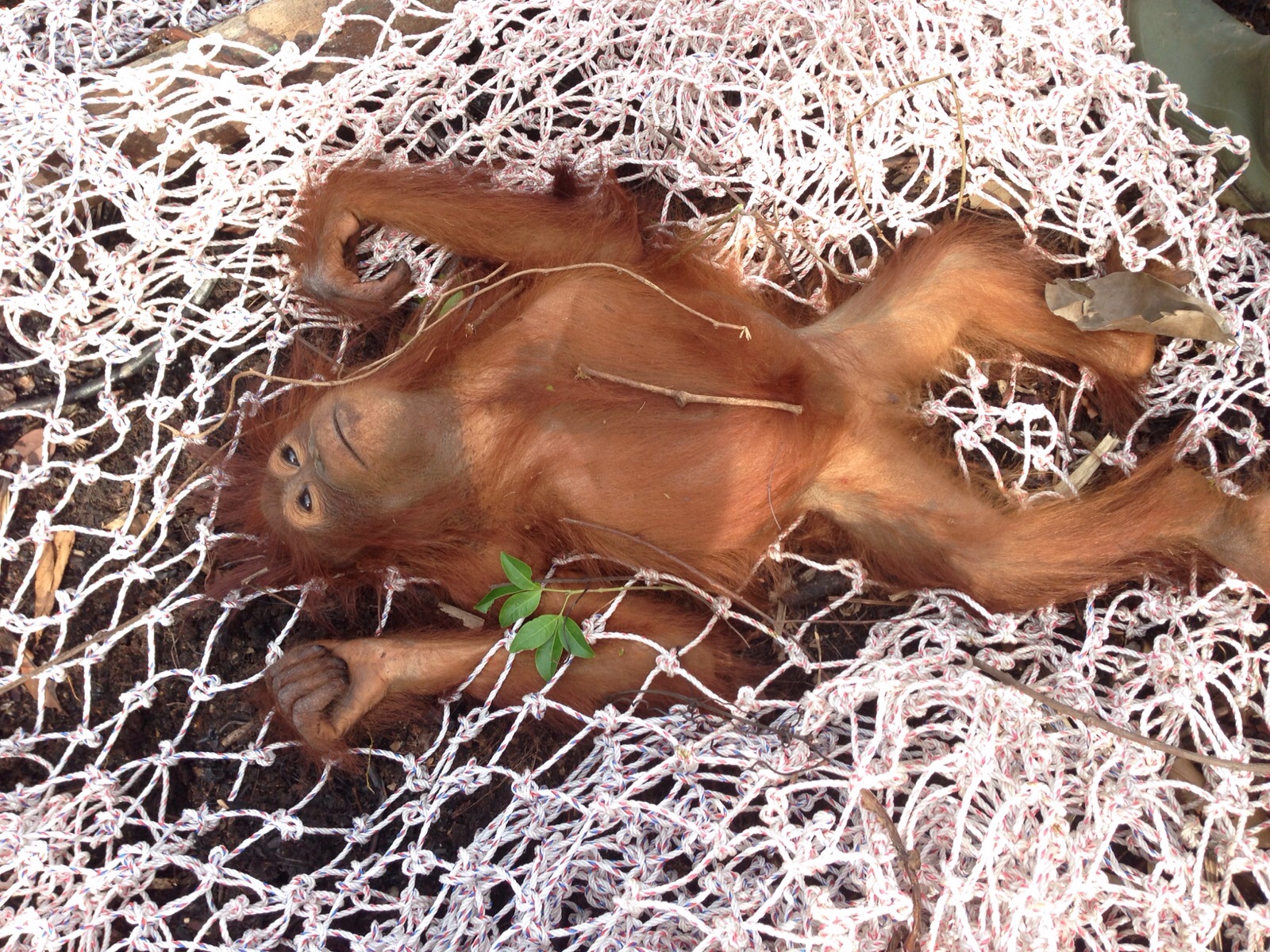
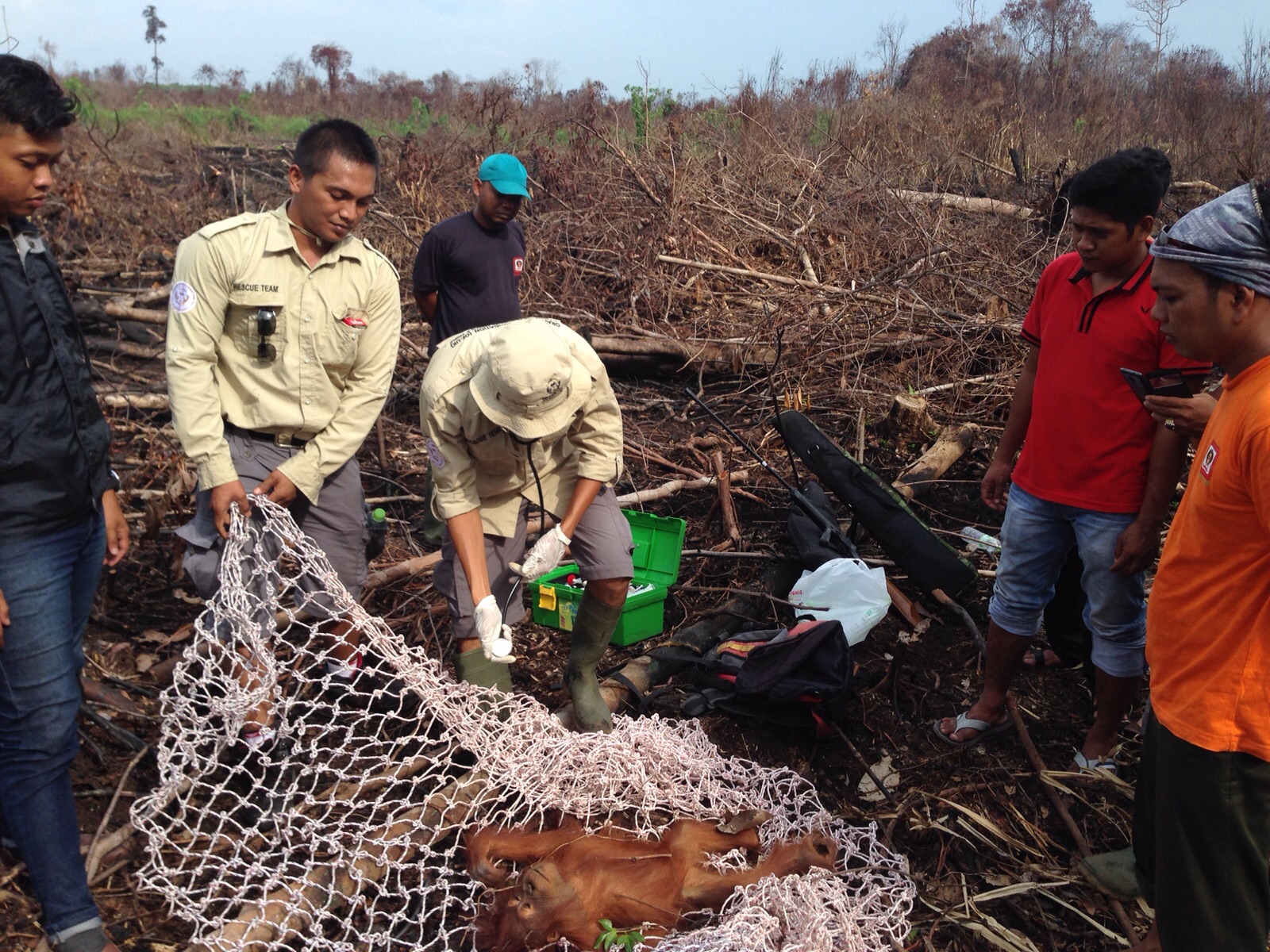
Orangutans are elusive creatures, and provided they live in optimum habitat, are relatively difficult to spot (much to the grievance of orangutan researchers!). Yet this morning our teams rescued a young juvenile orangutan who could be seen at a distance, clambering the topmost point of an isolated tree just 500m from a main road. The proximity of this rescue to a public roadis evidence of the devastation that wild orangutans will continue to face thanks to three months’ worth of wildfire.
As you can see in the images below, the habitat where this young orangutan was found has been very badly affected by the fires. Thankfully, the orangutan himself appeared to be in good health and will be released into the Lamandau Wildlife Reserve right away!
Sometimes images are more powerful than words.
[video width="320" height="240" mp4="http://www.orangutan.org.uk/blog/wp-content/uploads/2015/10/IMG_0838.mp4"][/video]
These fires have resulted in a surge of orangutan rescues. To follow all of our orangutan rescue and release activity, please visit us on YouTube and Facebook.
Orangutan habitat continues to be under threat. You can make a difference by donating towards the Orangutan Foundation's fire-fighting team, or by sharing this video with your friends and family to help us raise awareness for these difficult times.