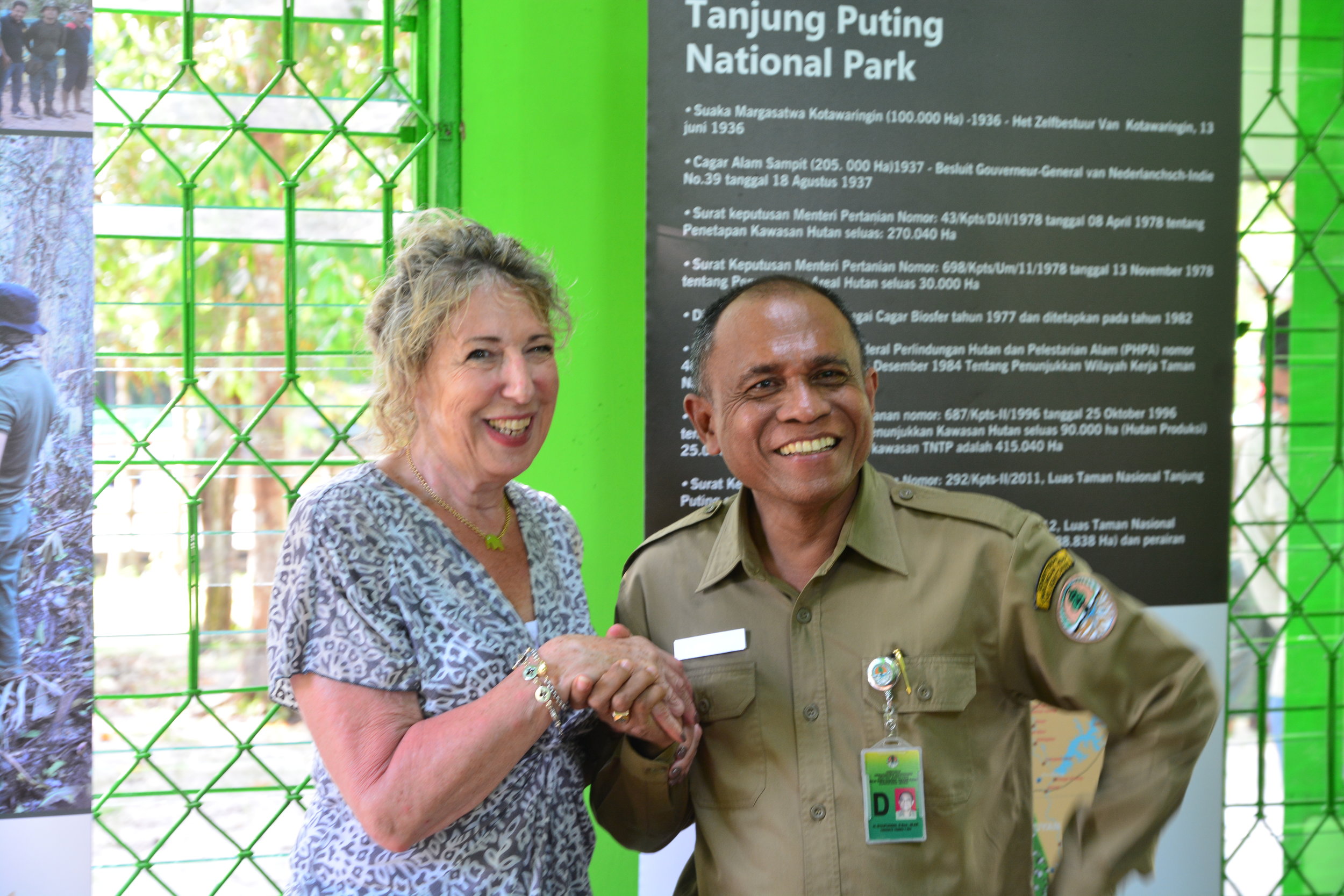
This video shows the challenges faced by our staff when rescuing orangutans:
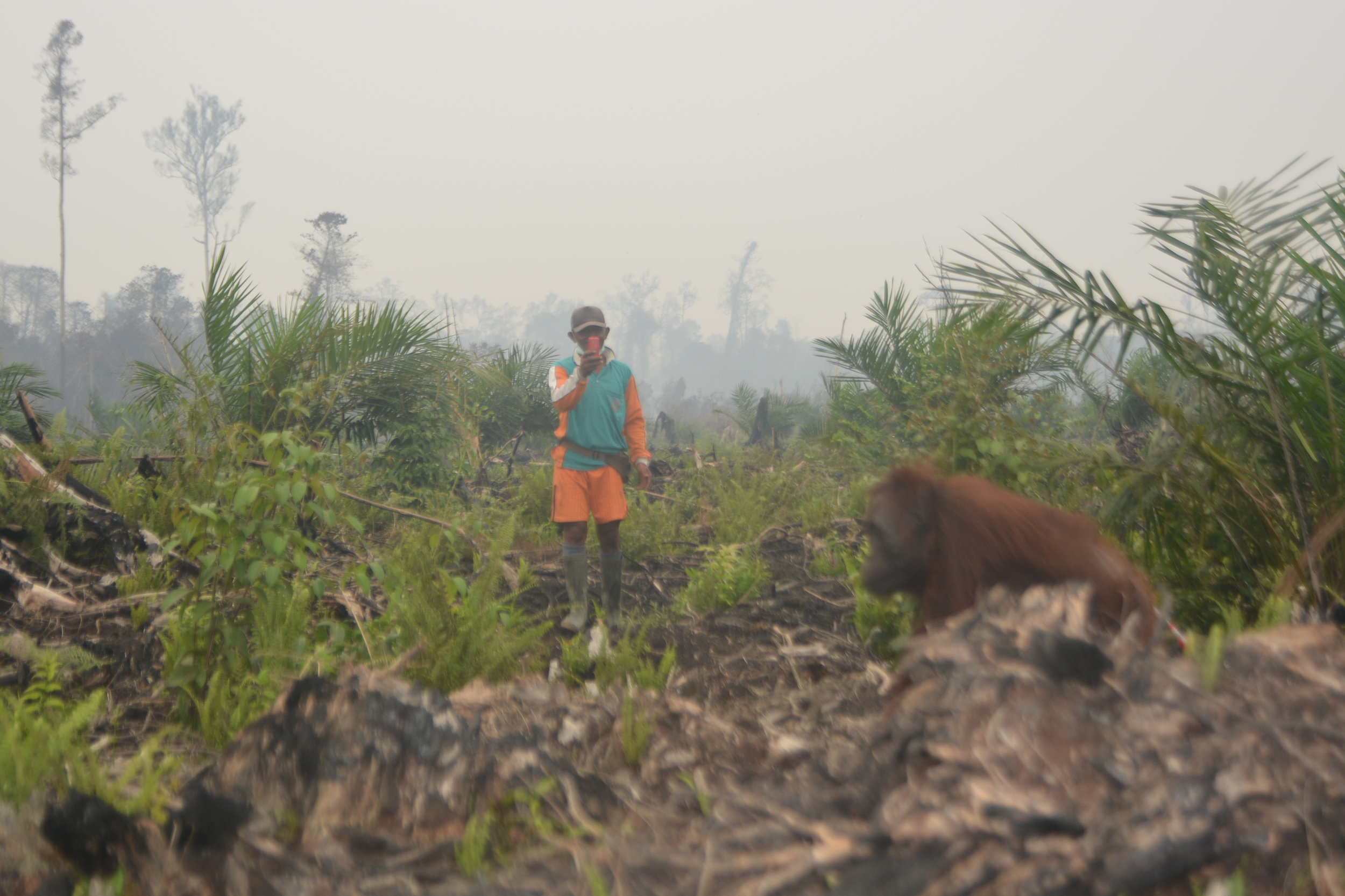
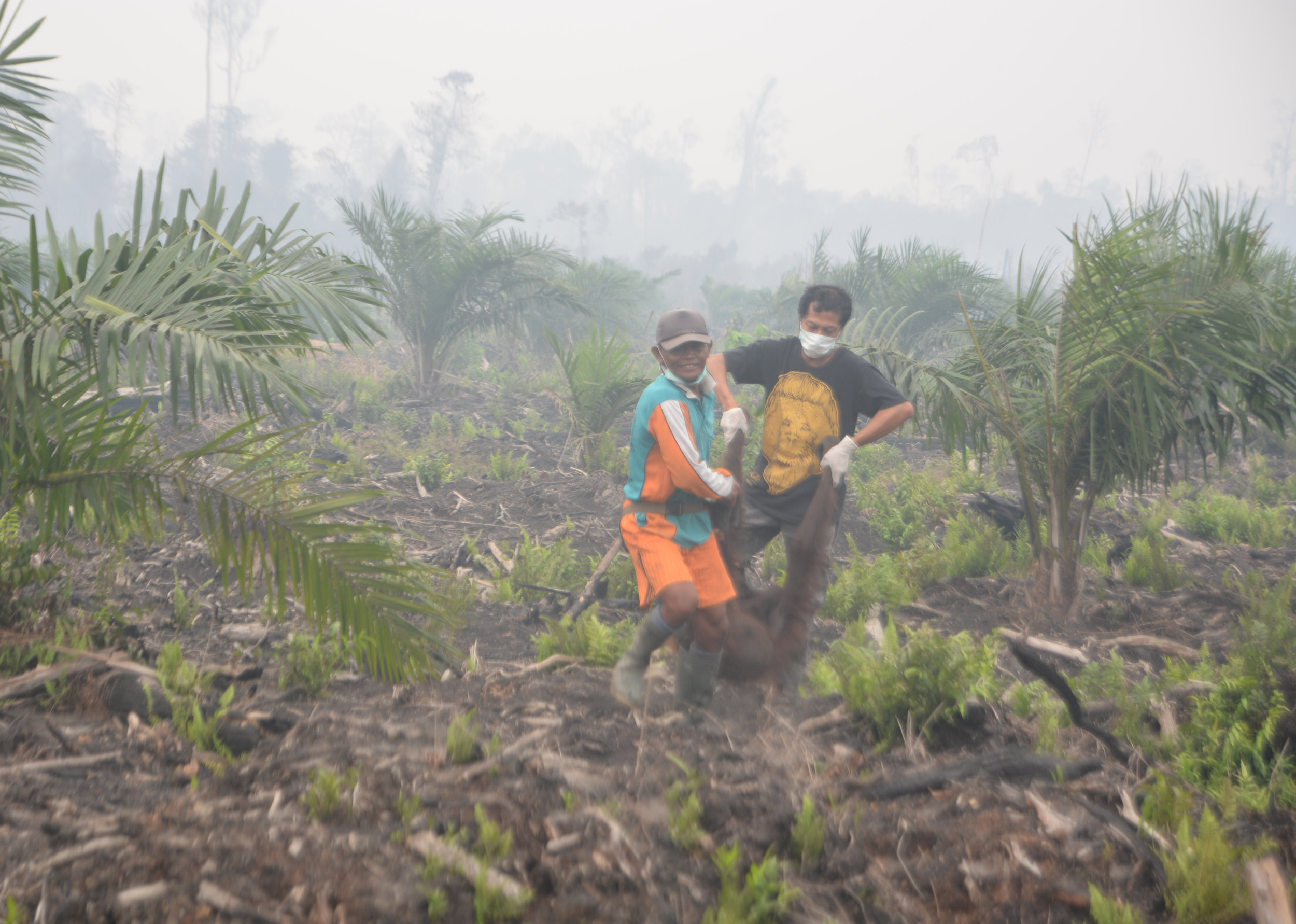
On the 3rd July, our staff received reports from the Wildlife Department (BKSDA) of yet another orangutan that had been found in community land. At that stage they had no idea of the difficulty of the terrain and where or what condition they would find the orangutan in. After preparing the anesthesia, our staff set off to the rescue location.
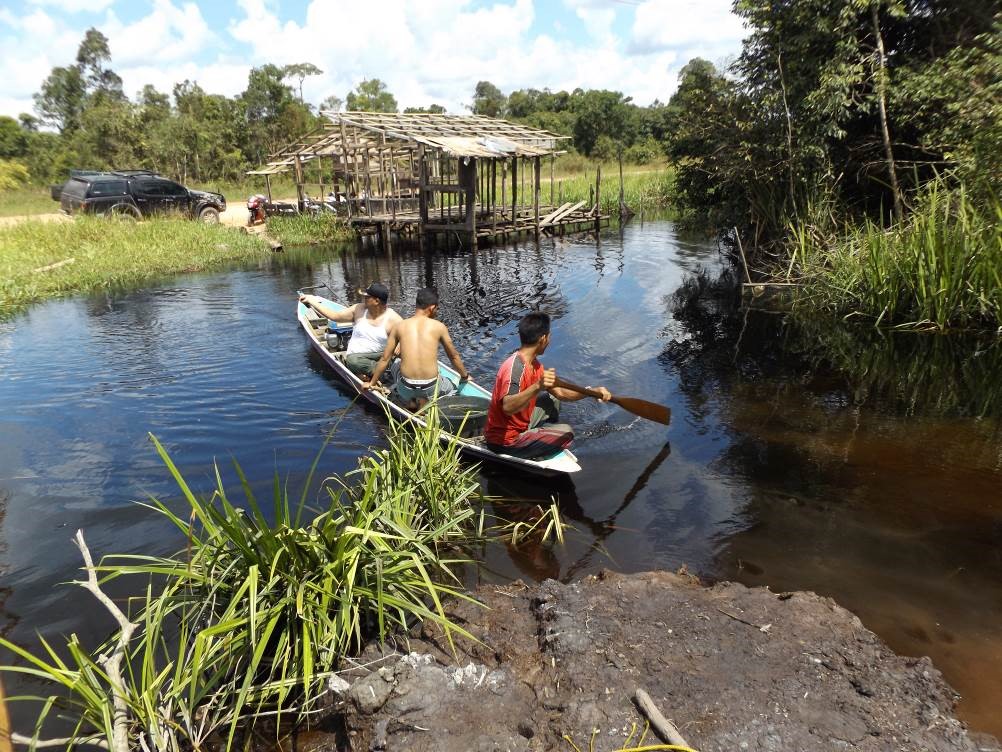
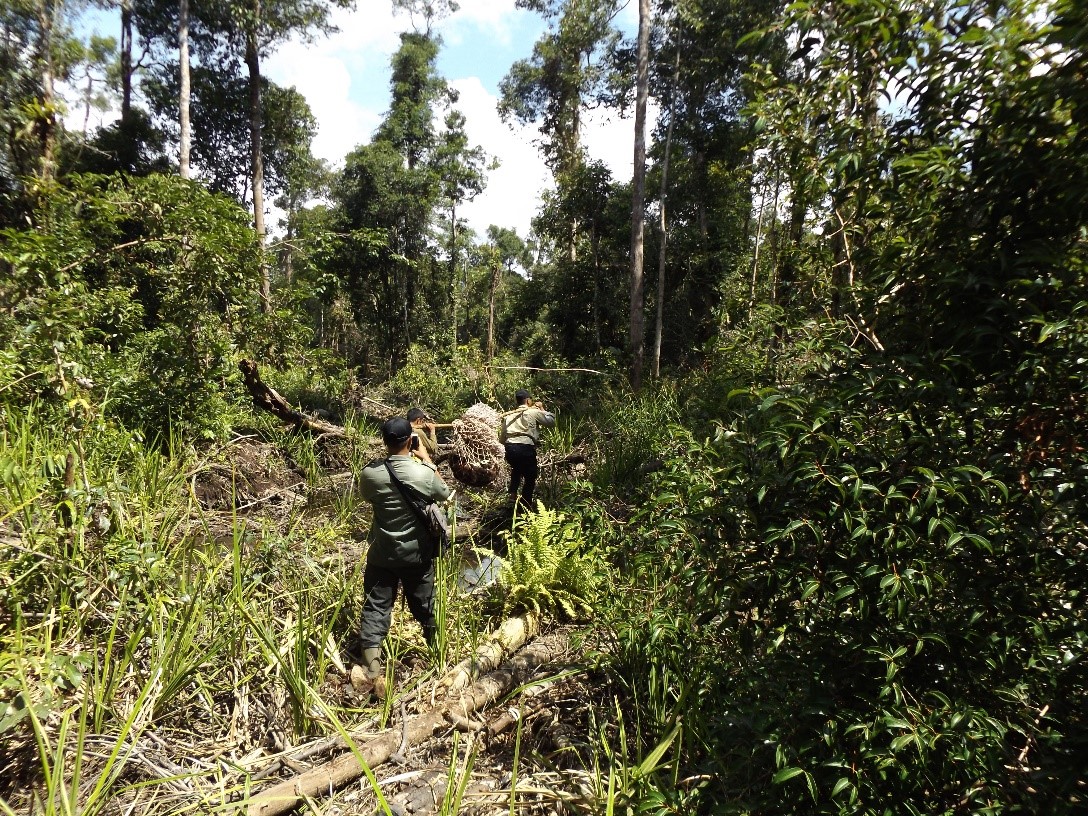
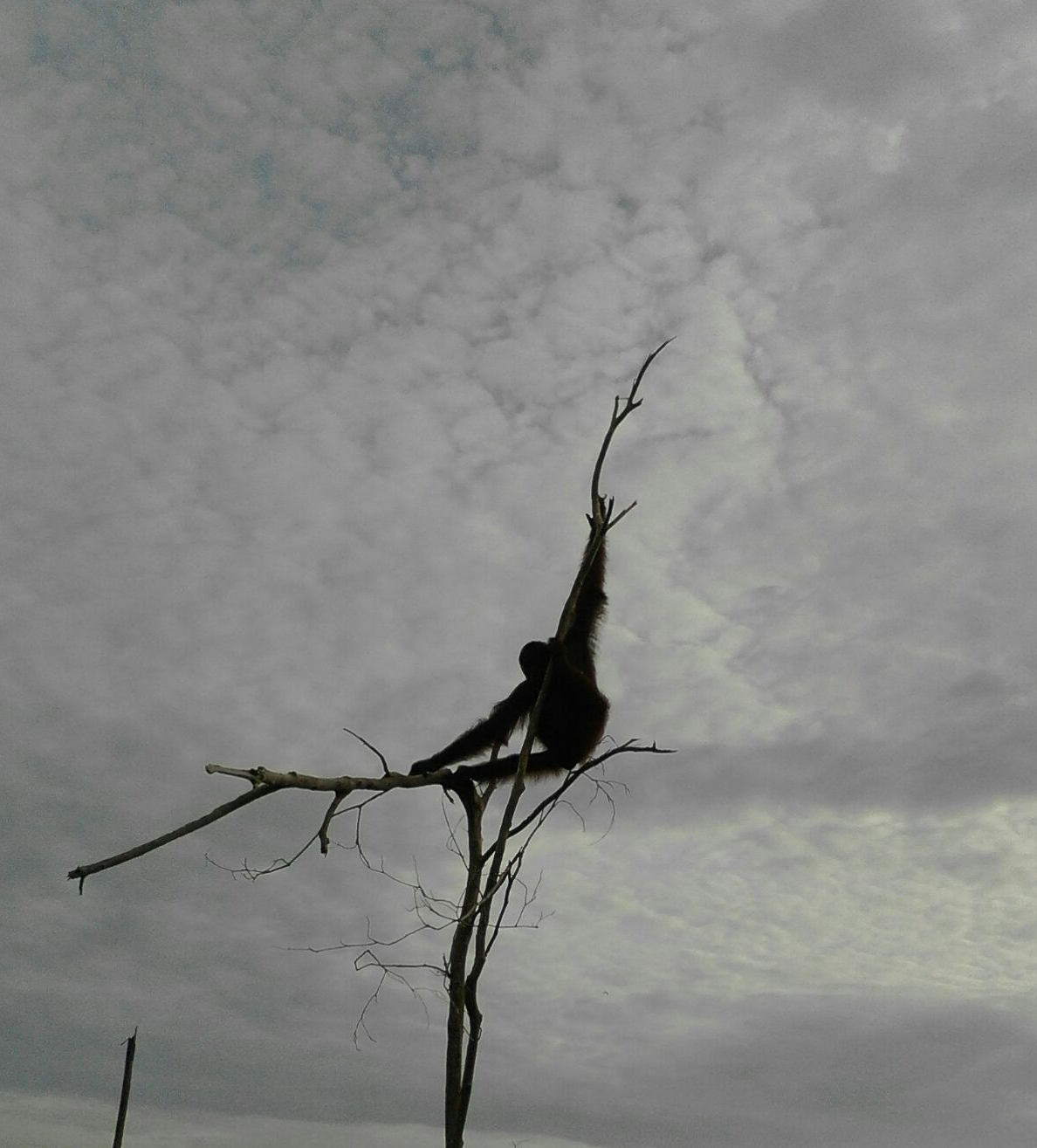
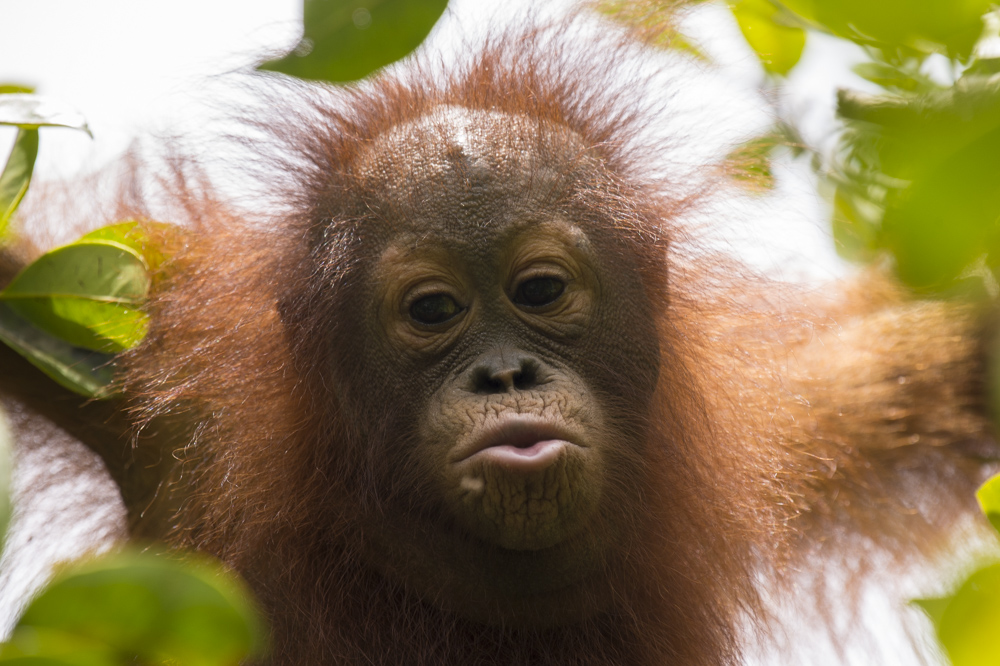
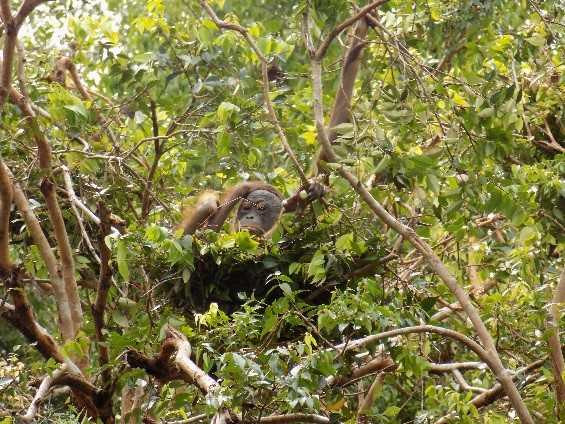
It soon became clear this was going to be difficult. They had to cut through dense undergrowth to reach the orangutan, which was high up in a tree. Our anaesthetist had to climb up a tree to get a clear sight of the ape before firing the dart gun. The staff, ready at the bottom of the tree with a net, caught the orangutan as it fell. Our vet was waiting to assess the orangutan, who was a female of around 20 years. Sadly though, he discovered previous injuries to her back and chest, which would require treatment.

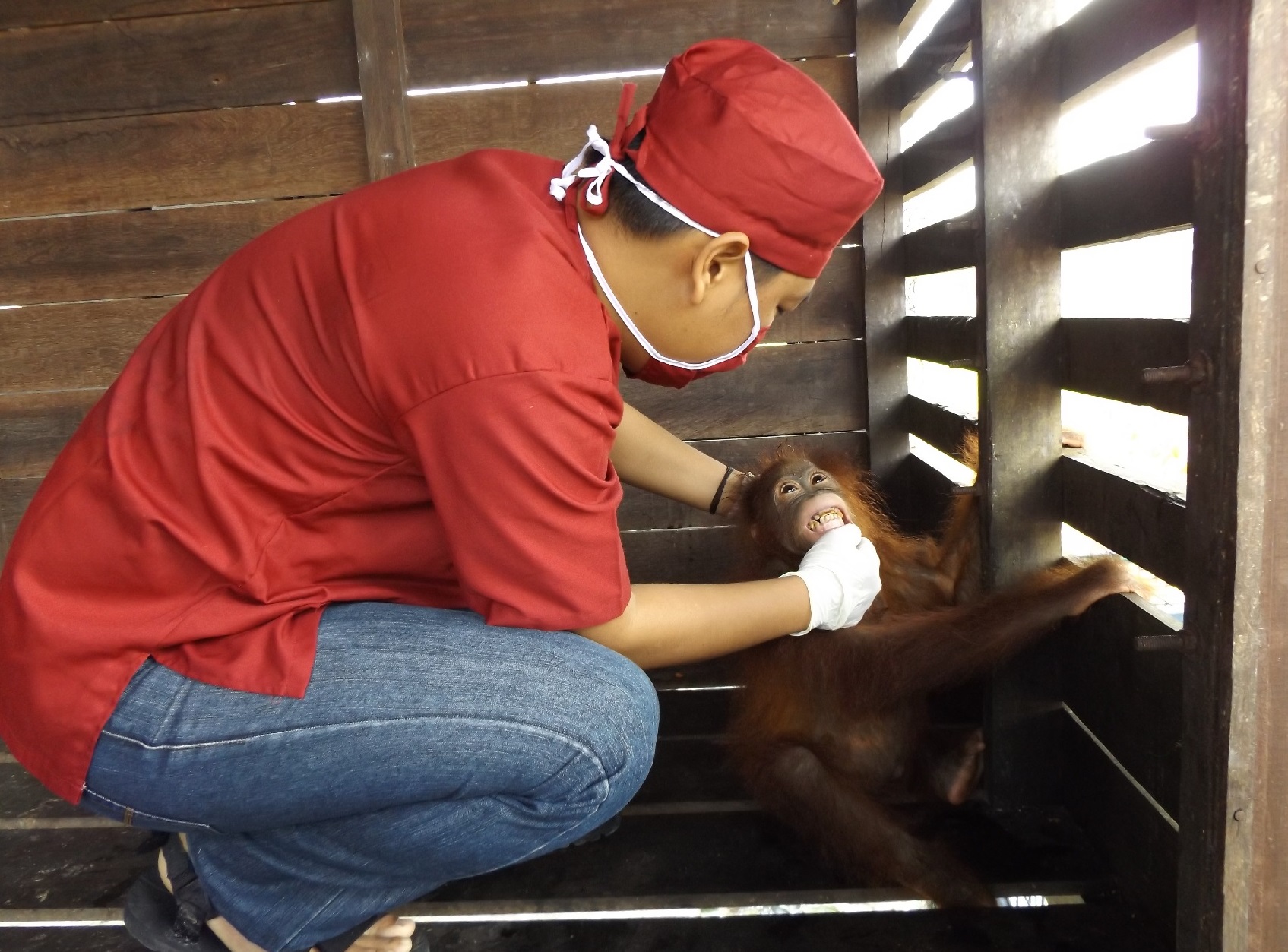
The orangutan was named Karin and on returning from the rescue location she was examined and given treatment for her wounds.

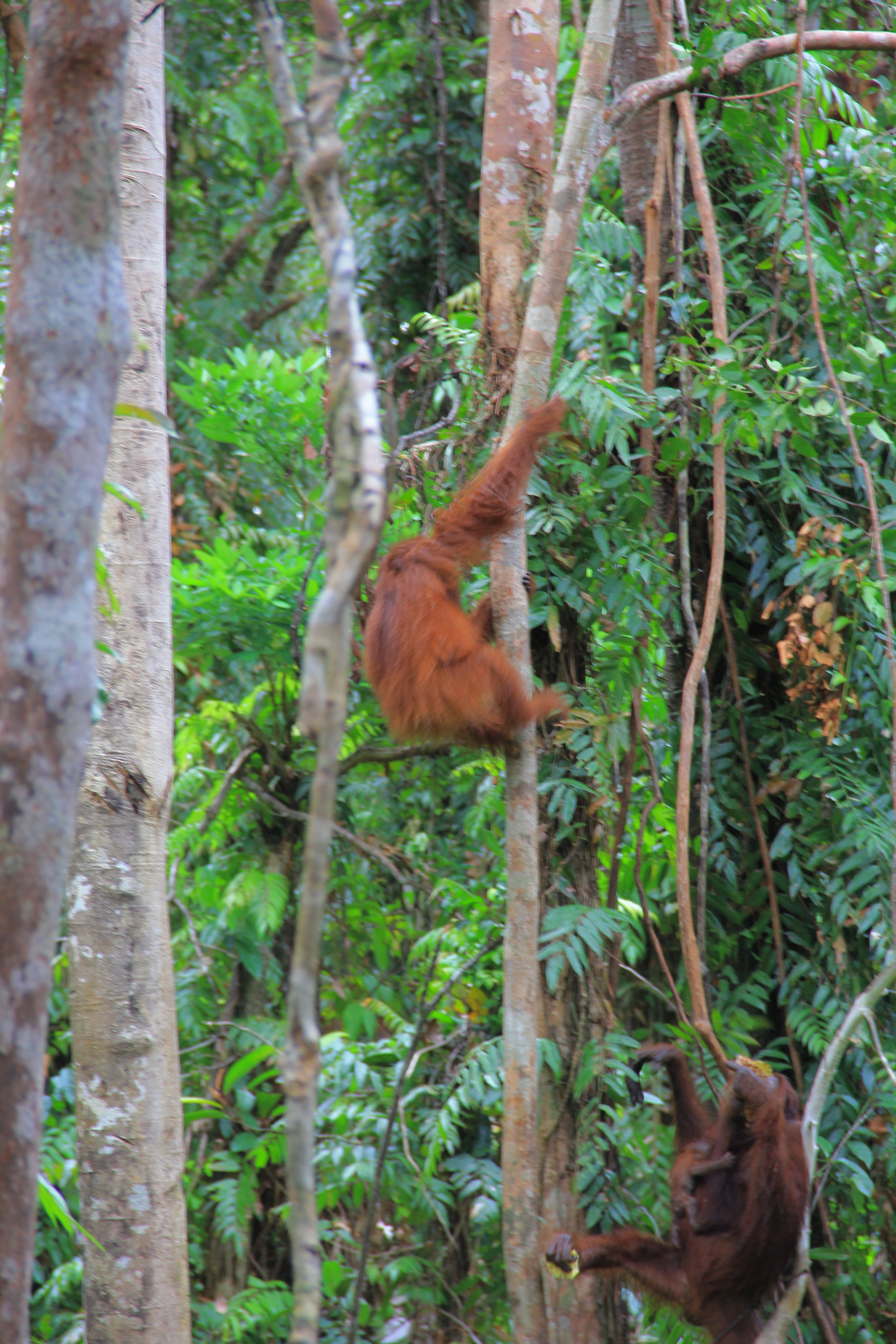
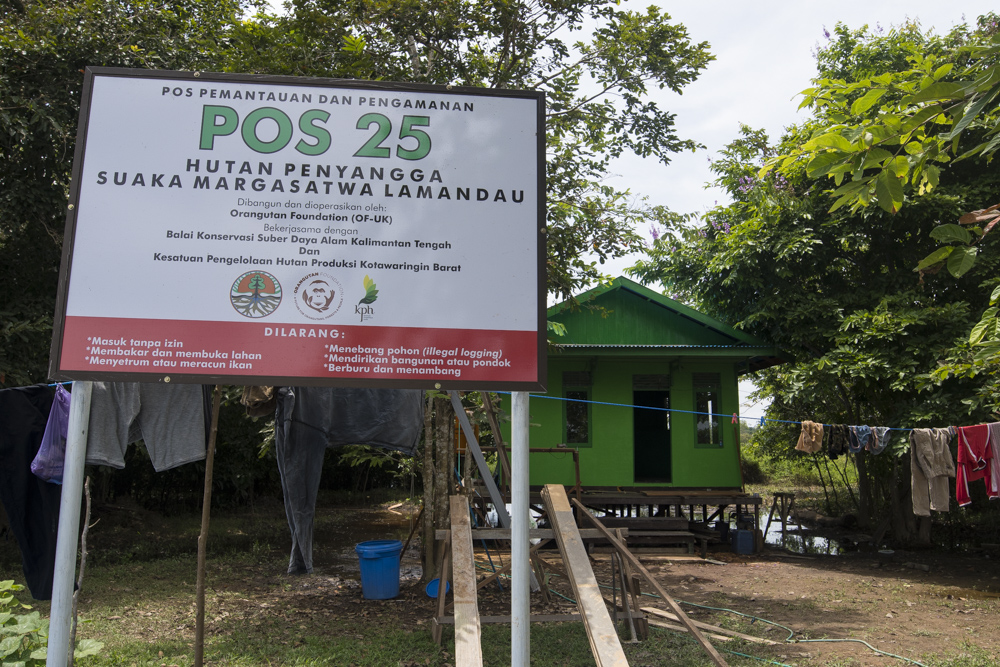
After recovering from her ordeal, Karin was taken to Camp Gemini, an orangutan release site, in the Lamandau Wildlife Reserve (Central Kalimantan, Indonesian Borneo). Once Karin’s wound has healed she will be free to live back in the wild again.
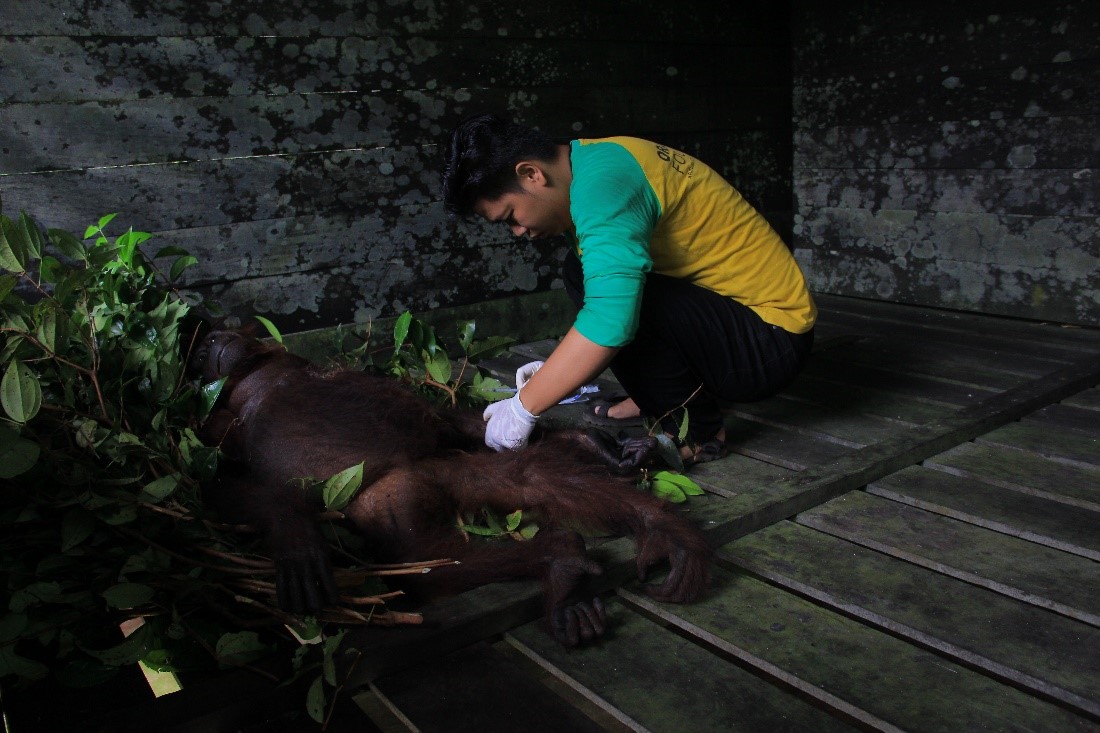
The loss of forest is causing orangutans to come into contact with humans as never before. Support the protection of Karin’s future forest home and become a Guardian of the Lamandau Wildlife Reserve.
Thank you.
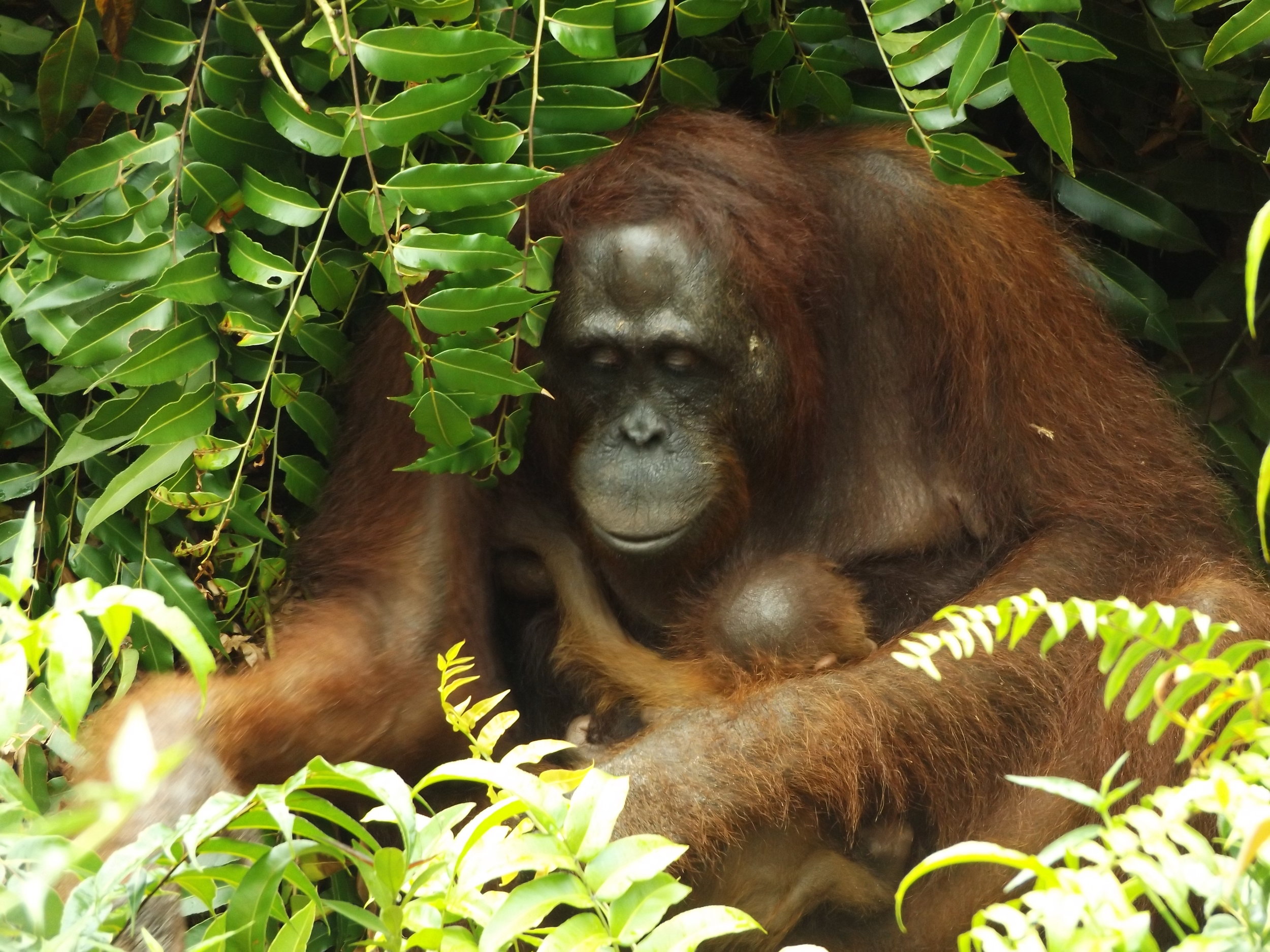
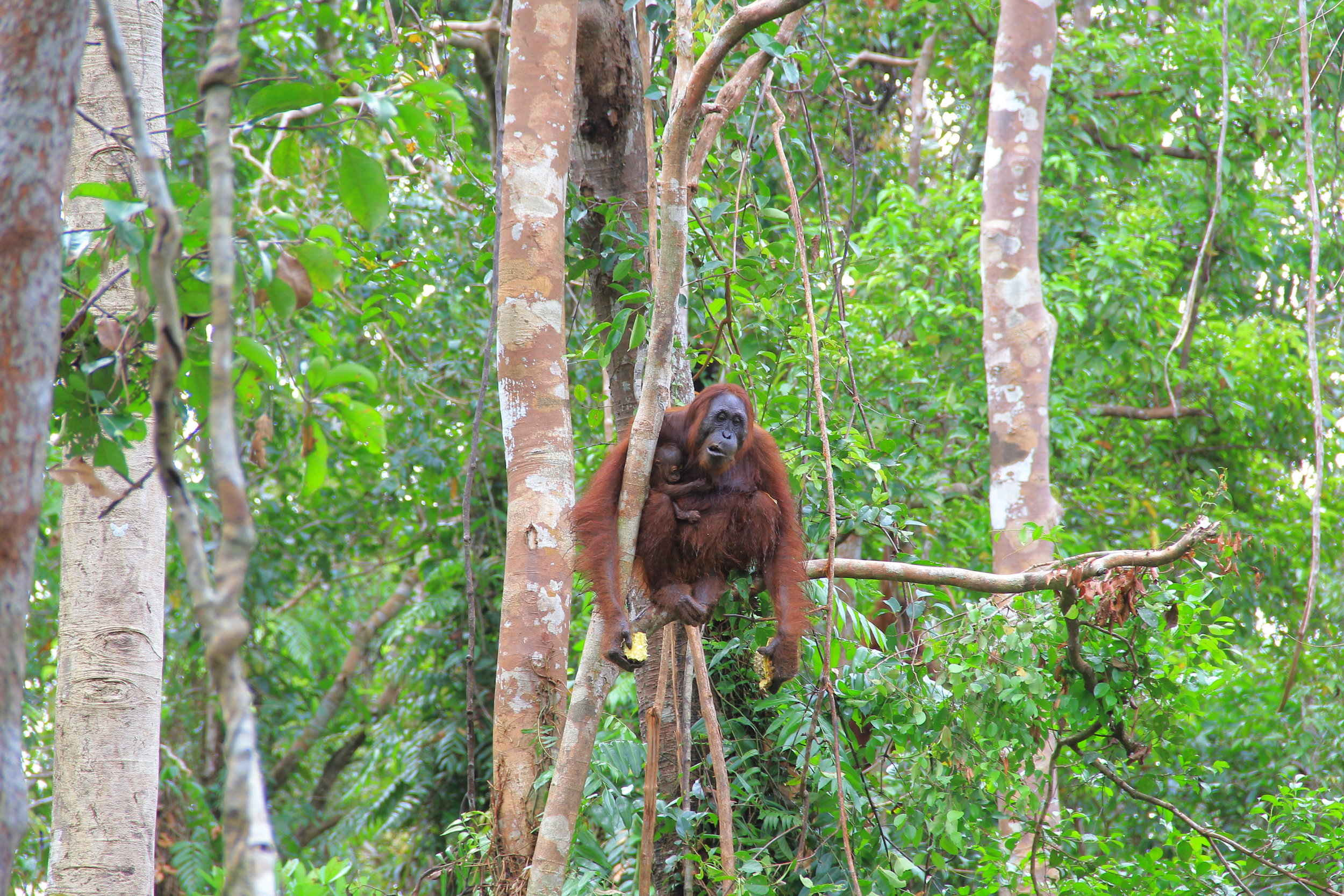
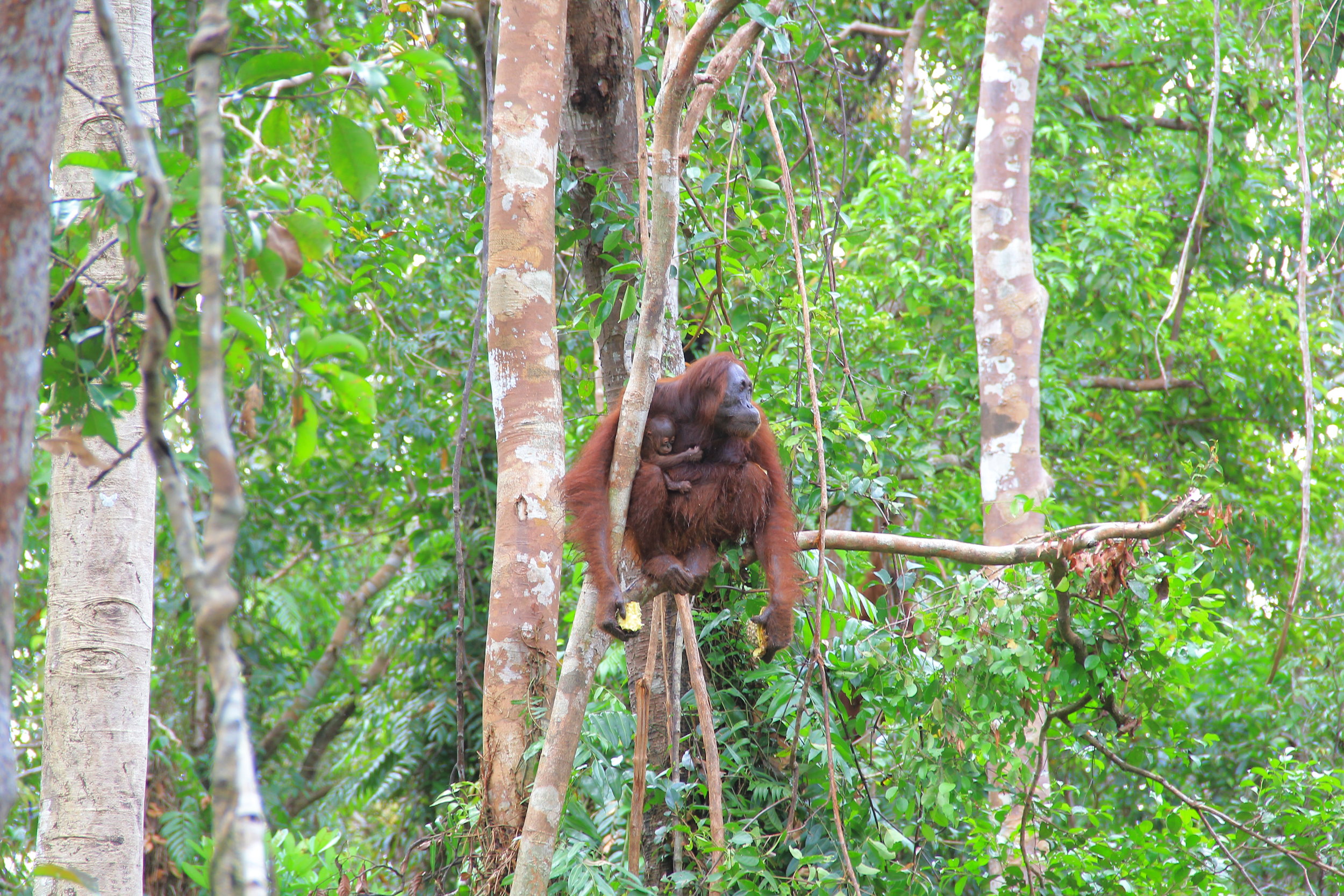
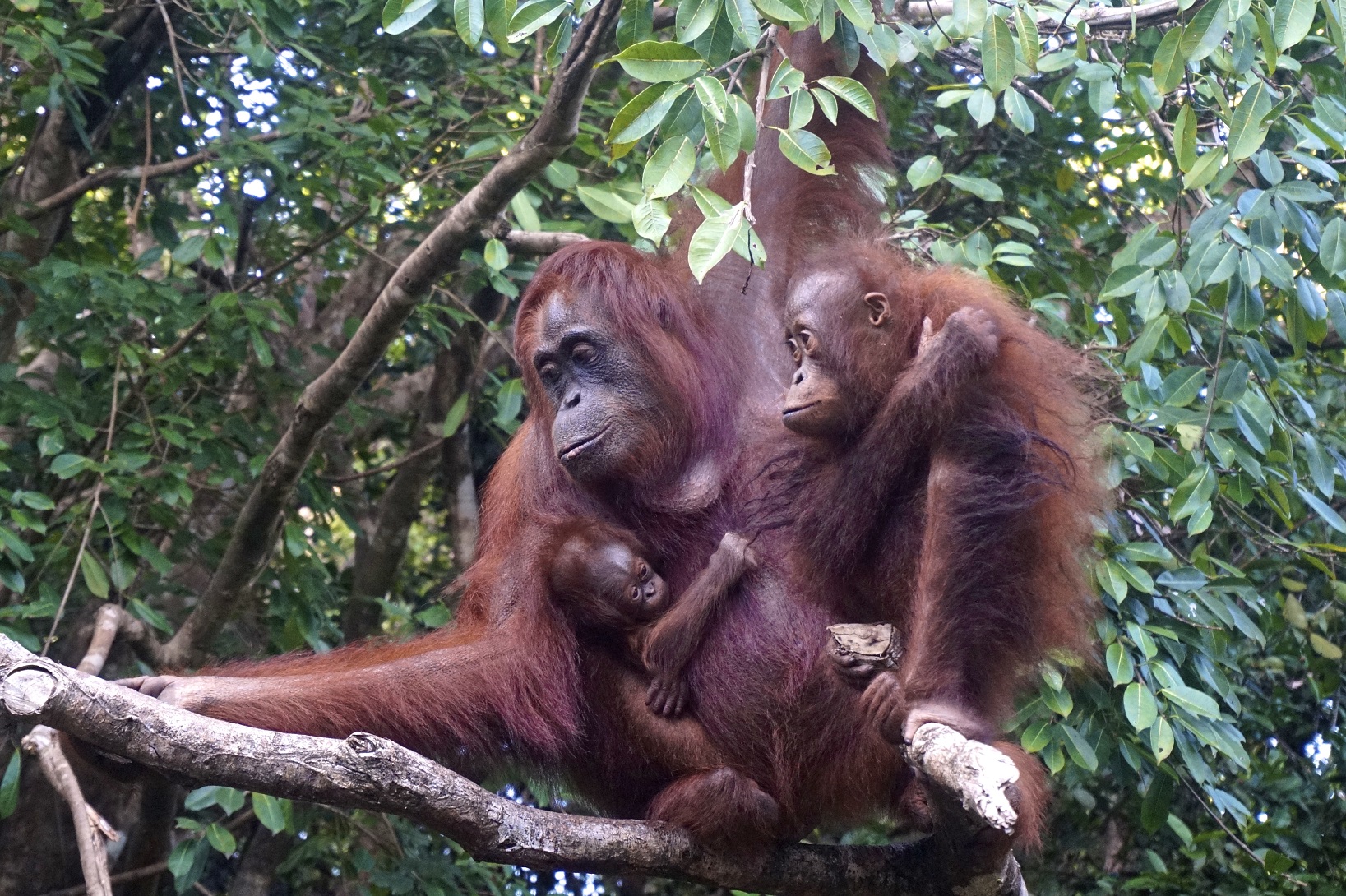
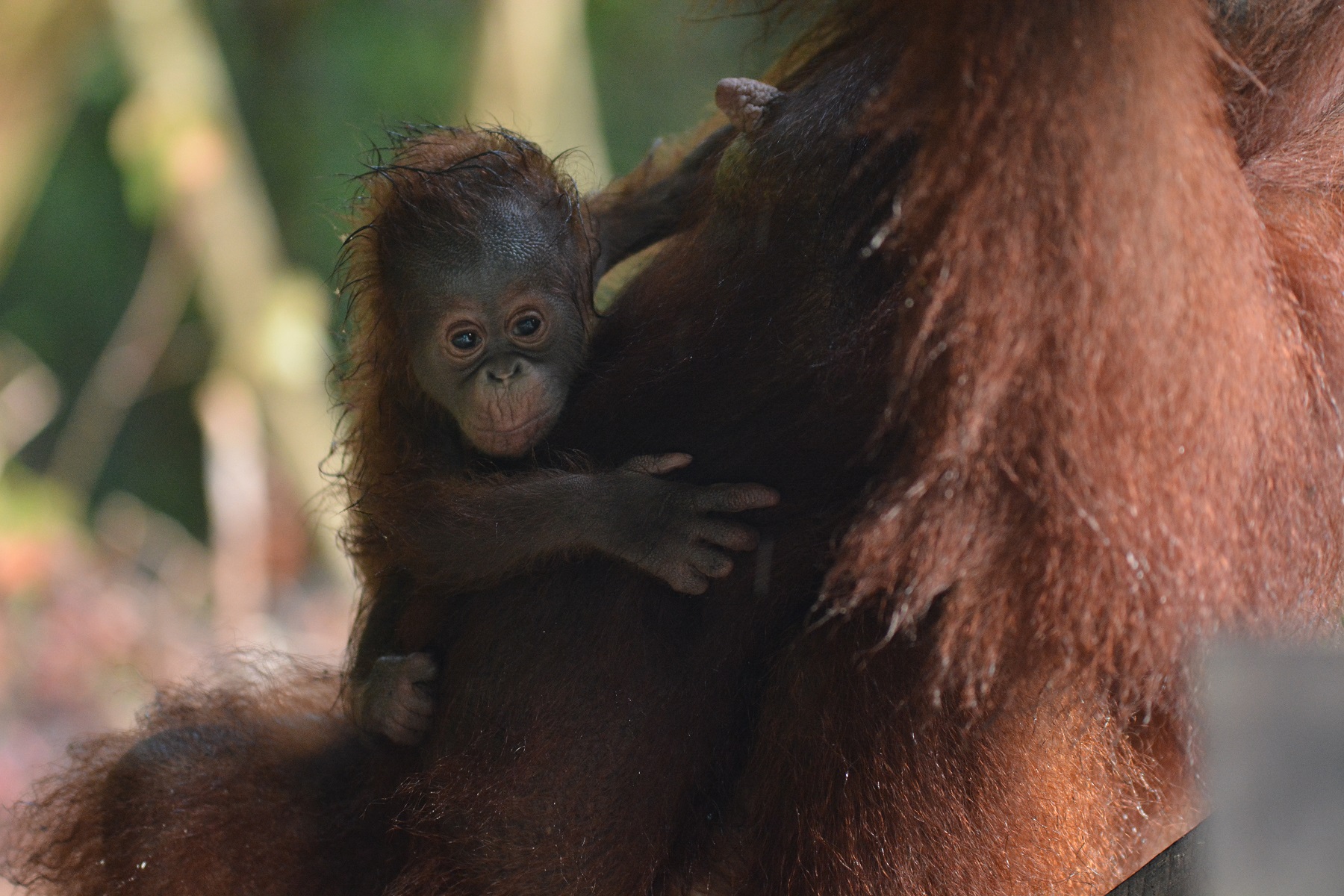
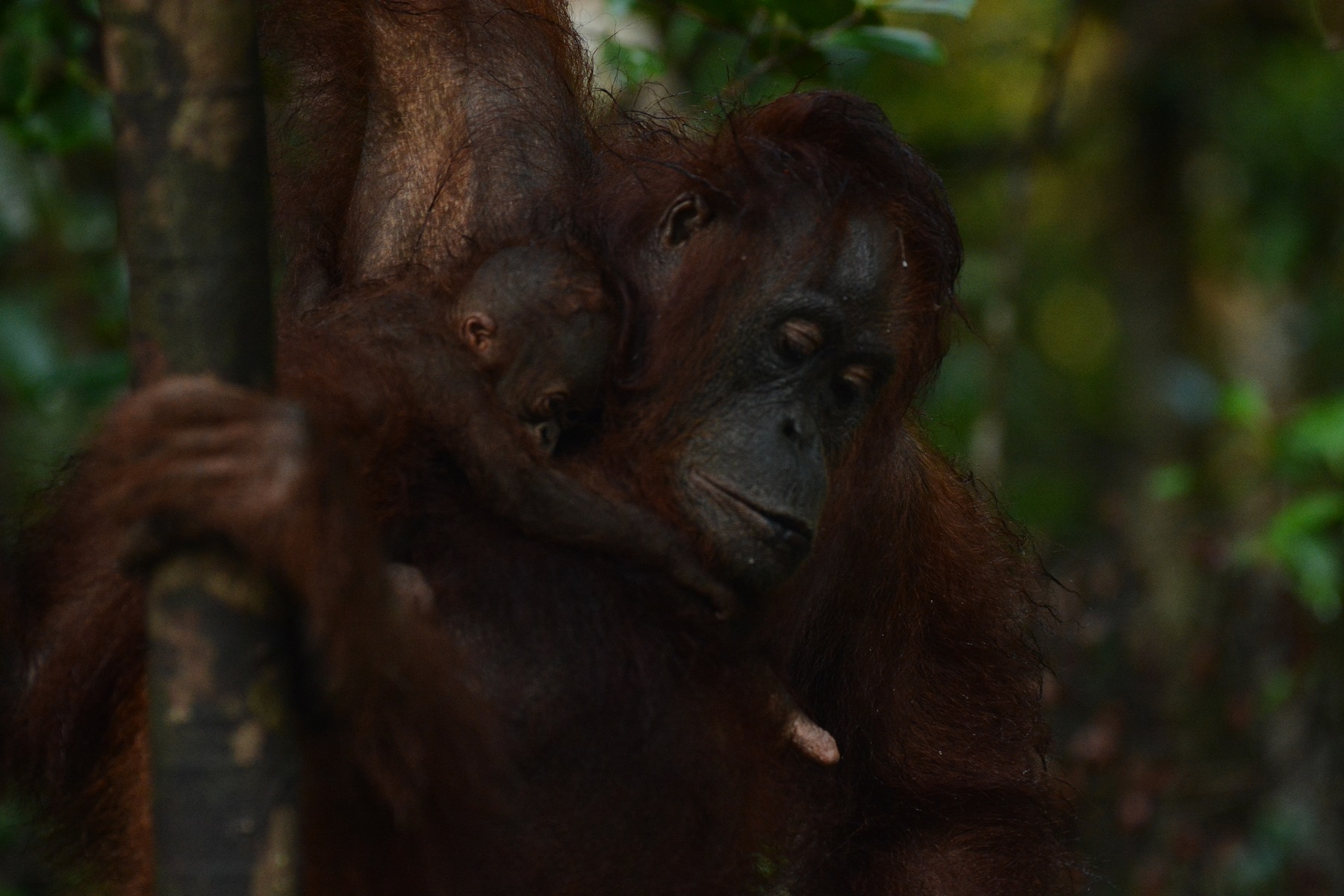
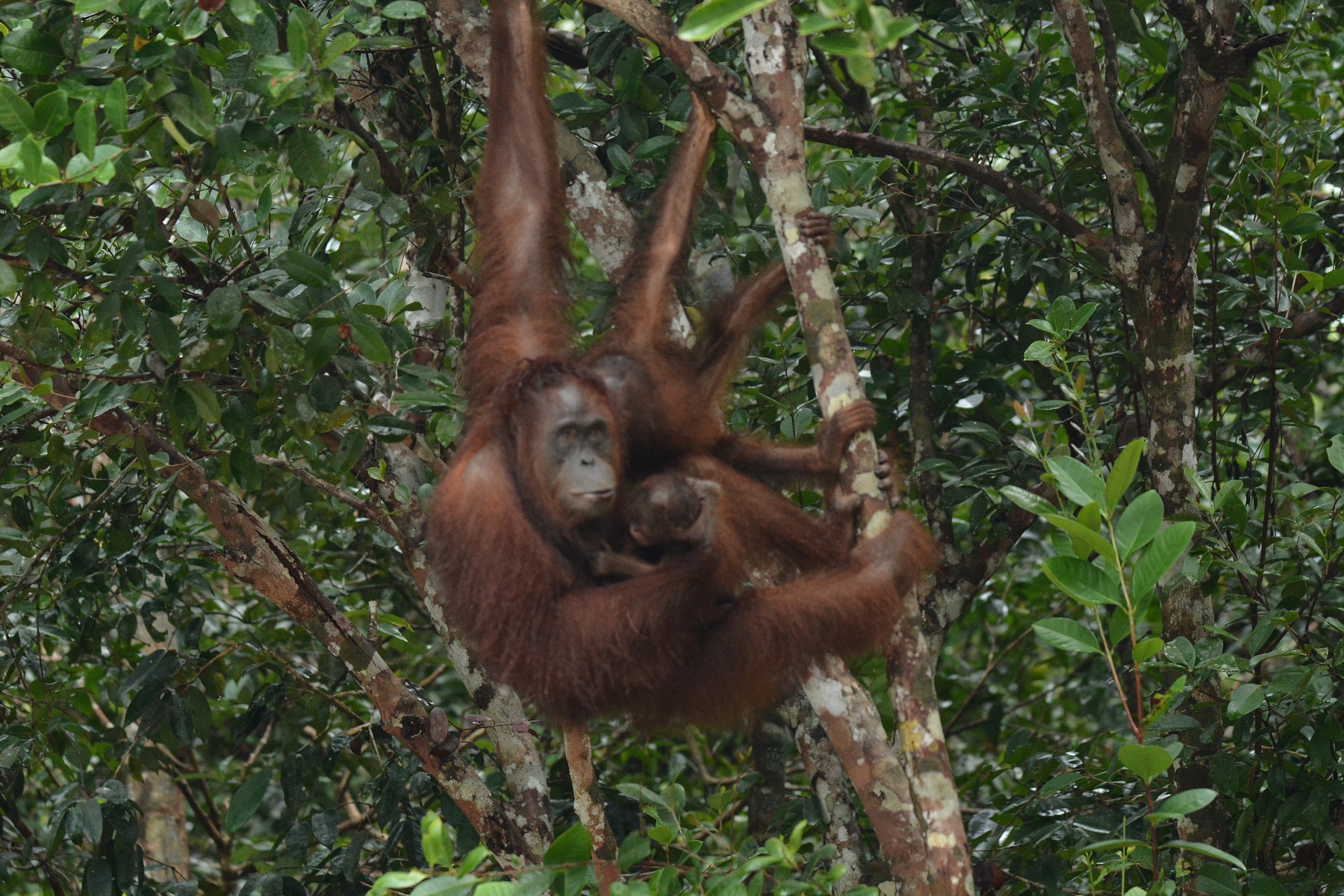
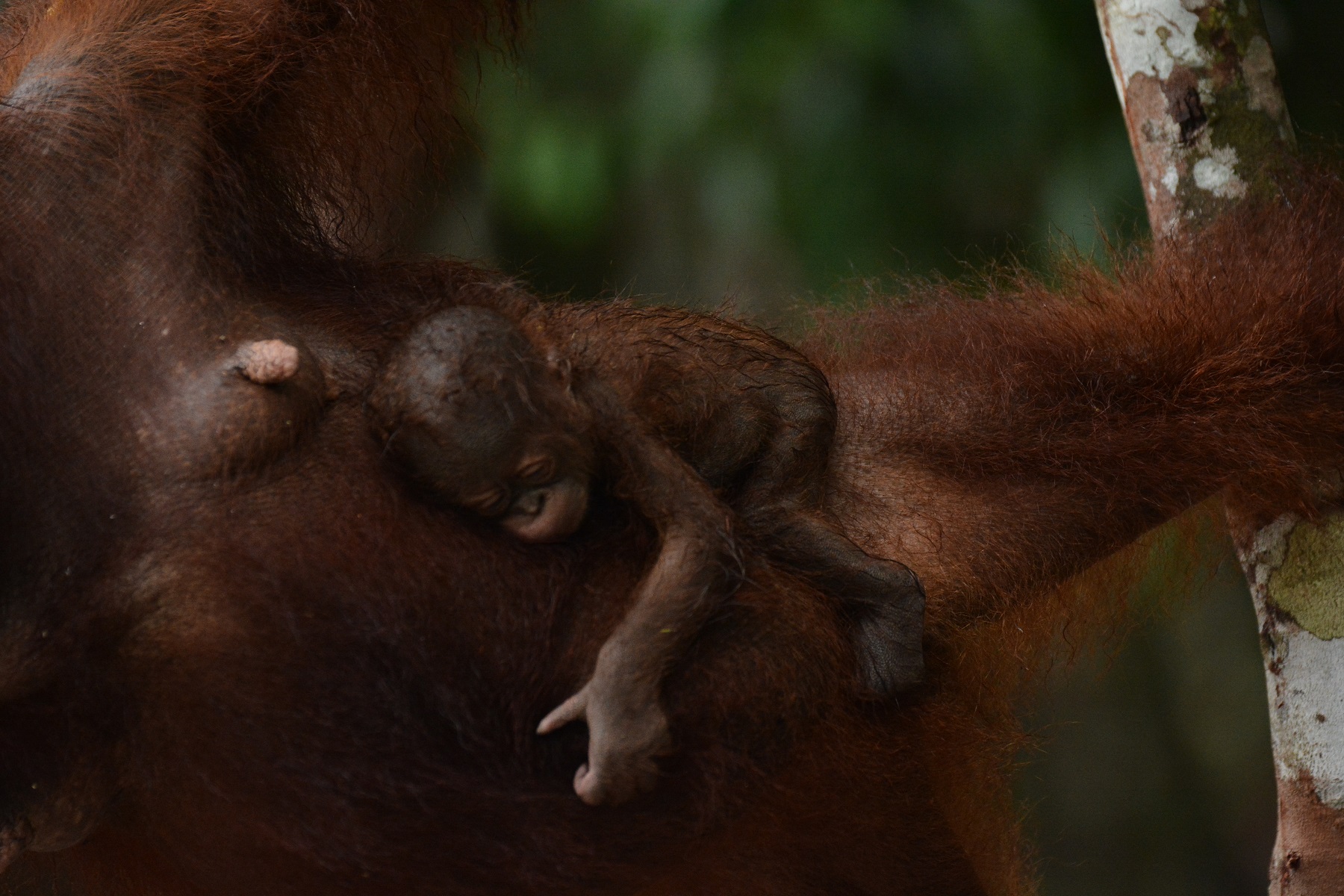
 We have seen two orangutan births in less than two months. Why is this significant and a reason to celebrate? Orangutans are critically endangered, a recent report found that orangutan populations on Borneo have declined by 25% over the last 10 years. A shocking statistic. However, in the
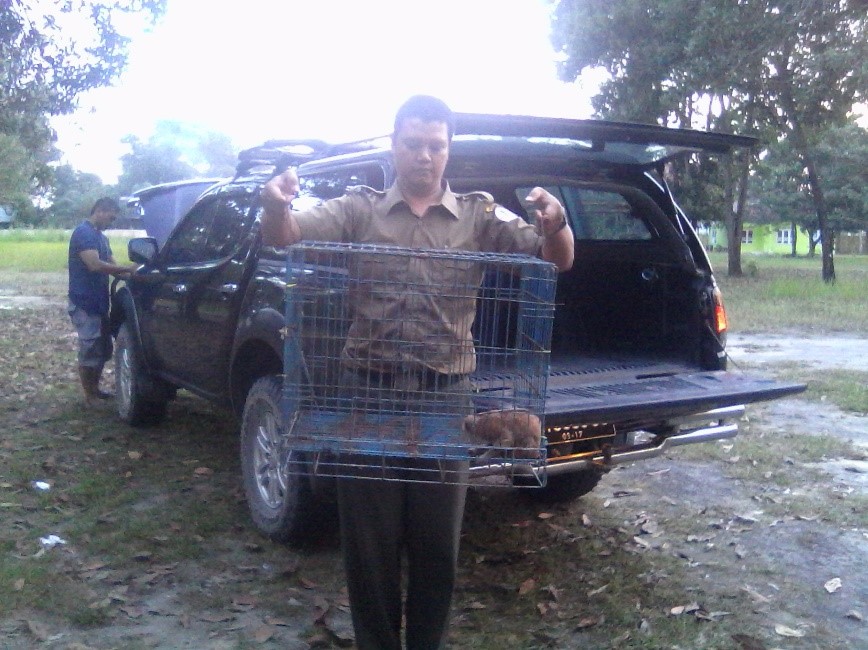
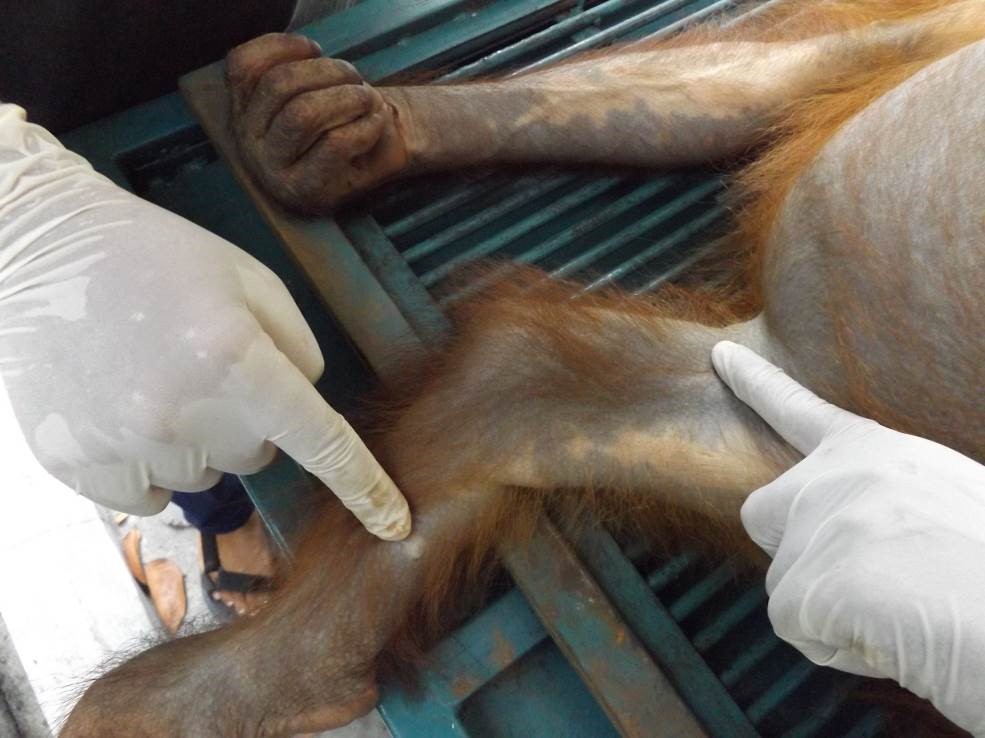
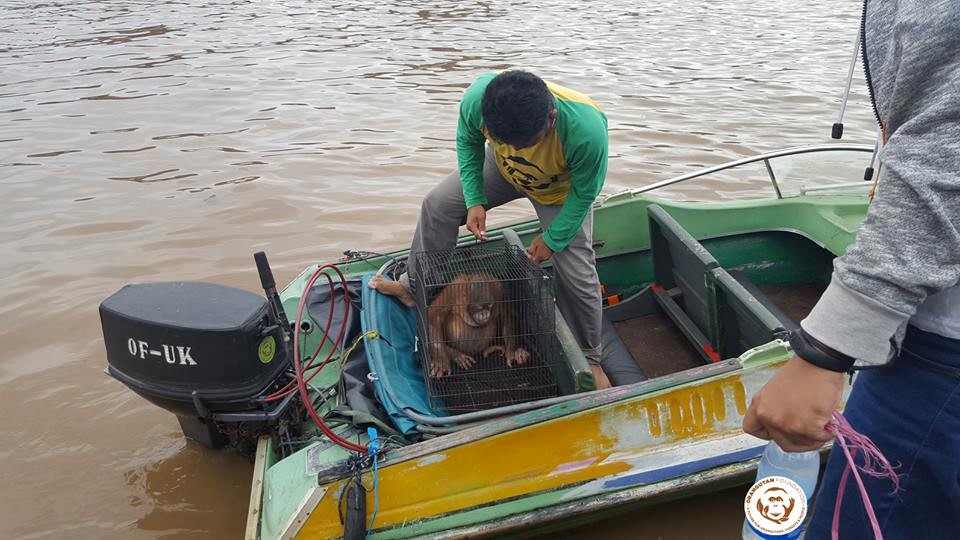
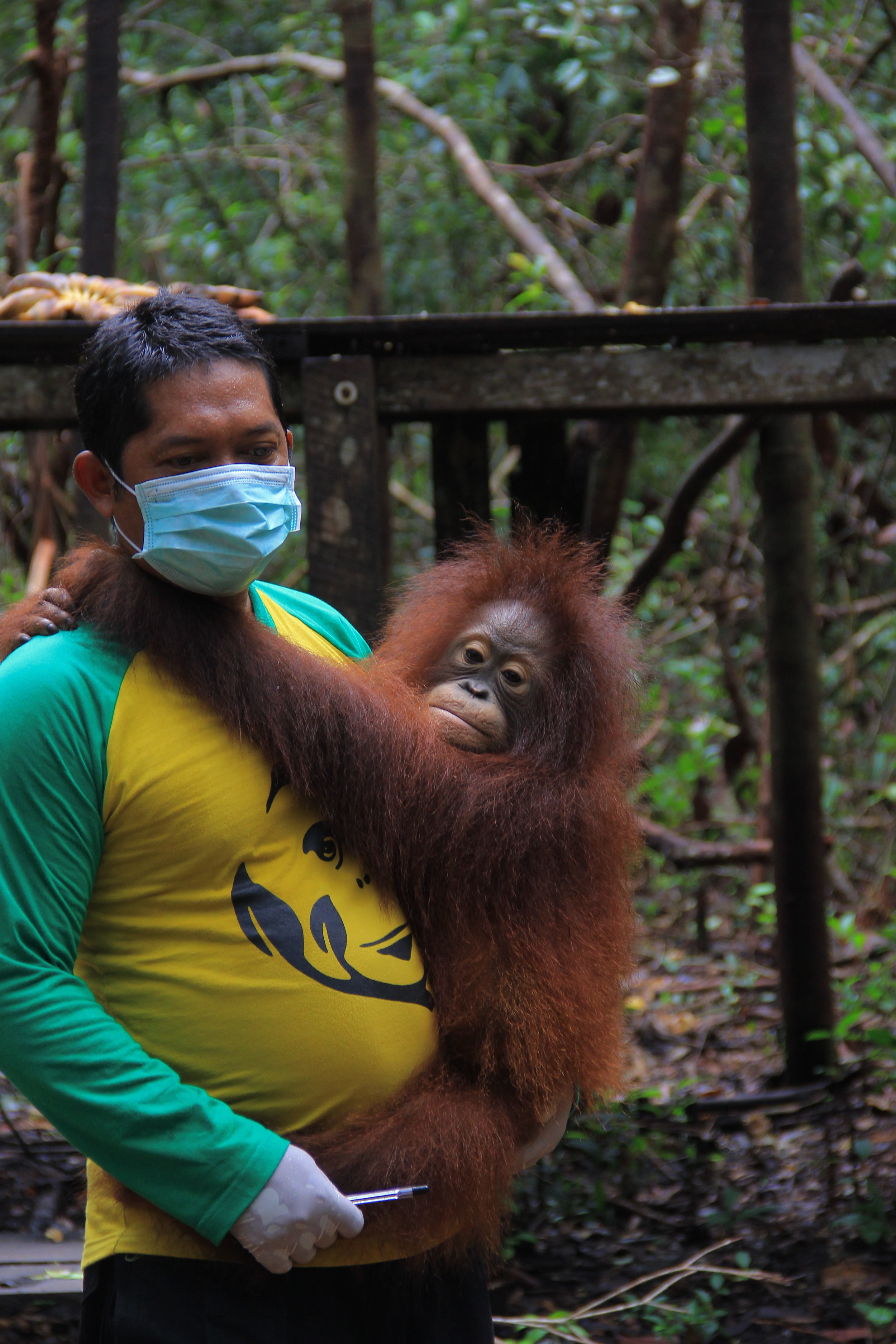
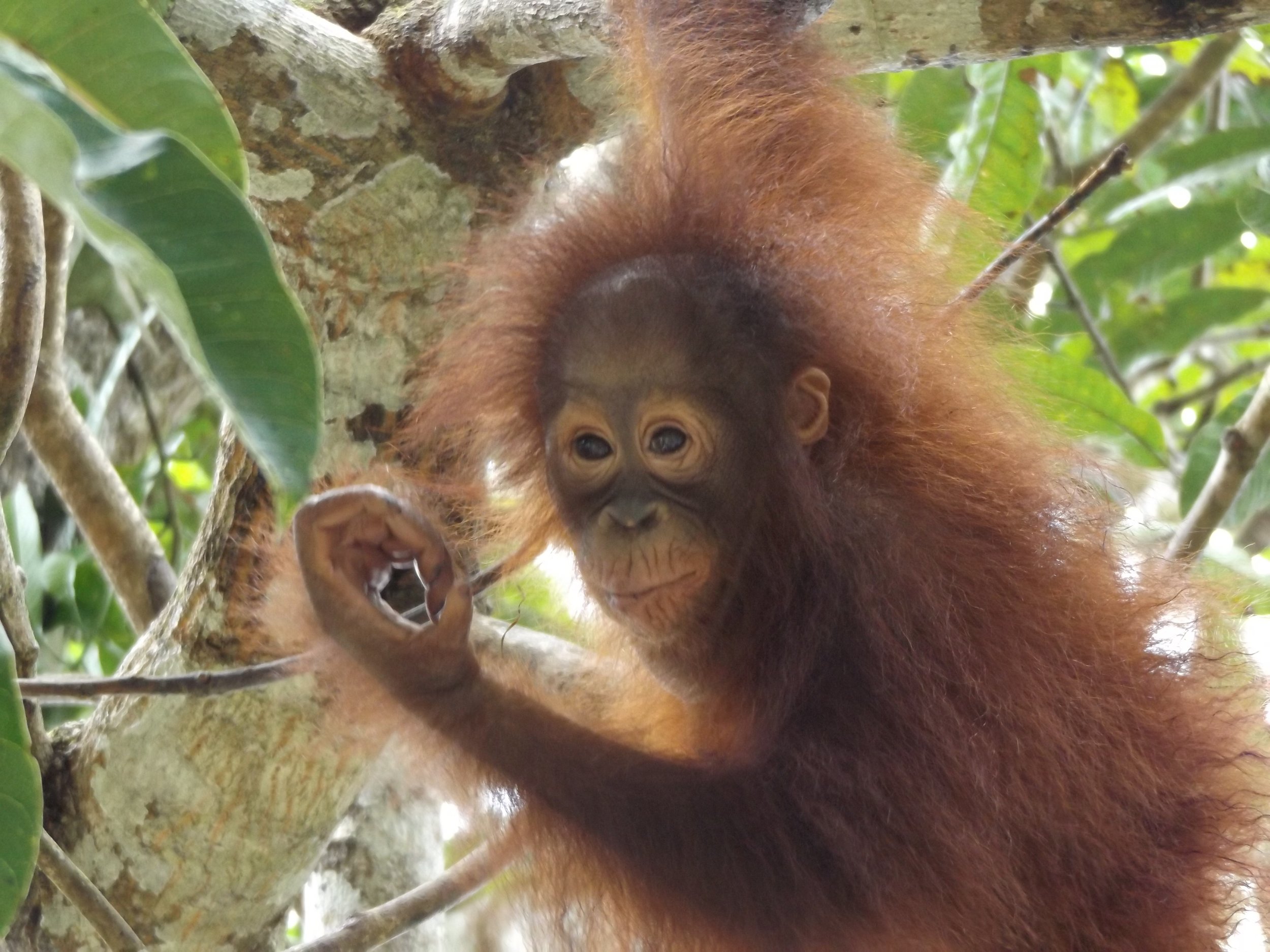
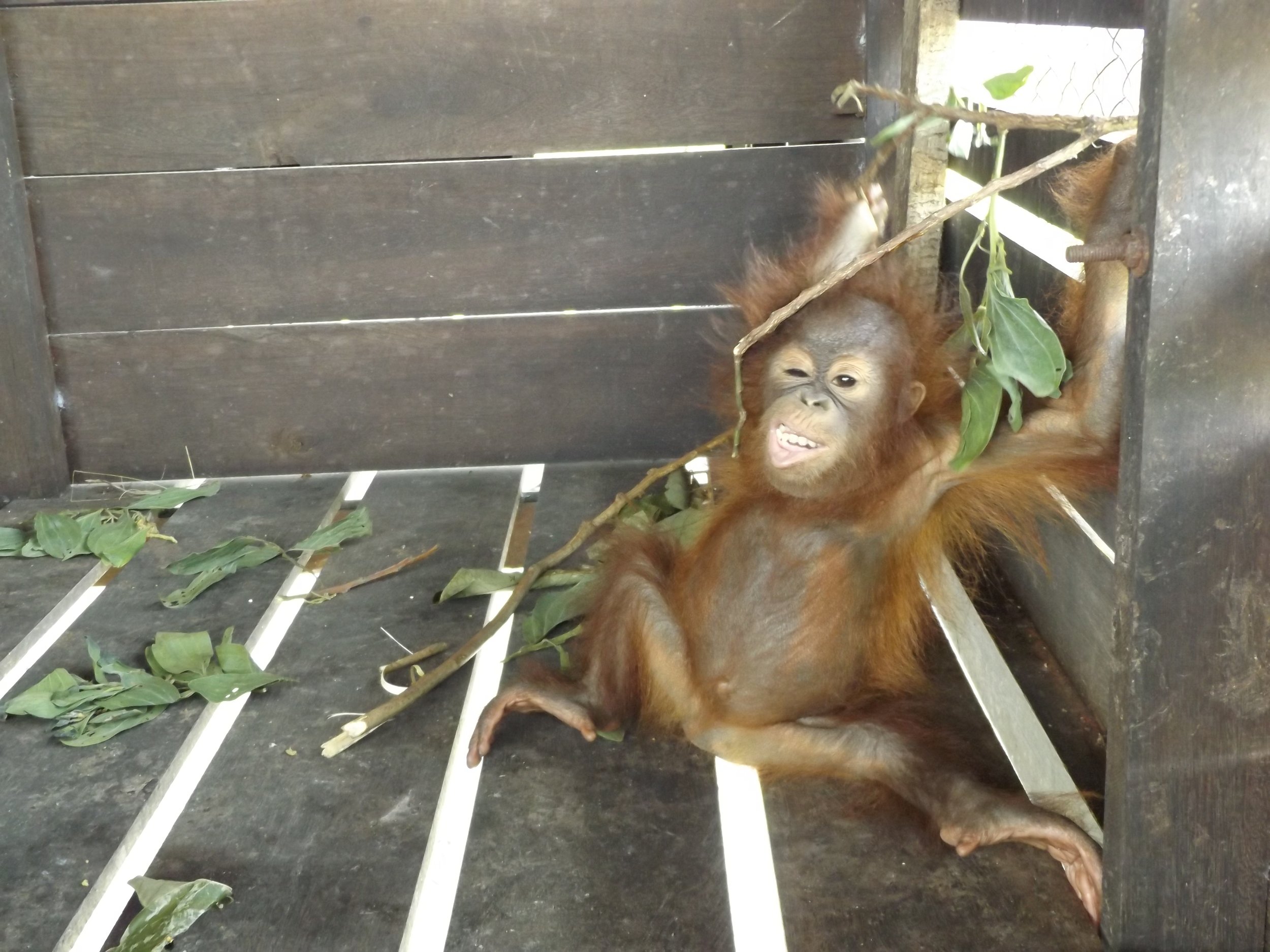
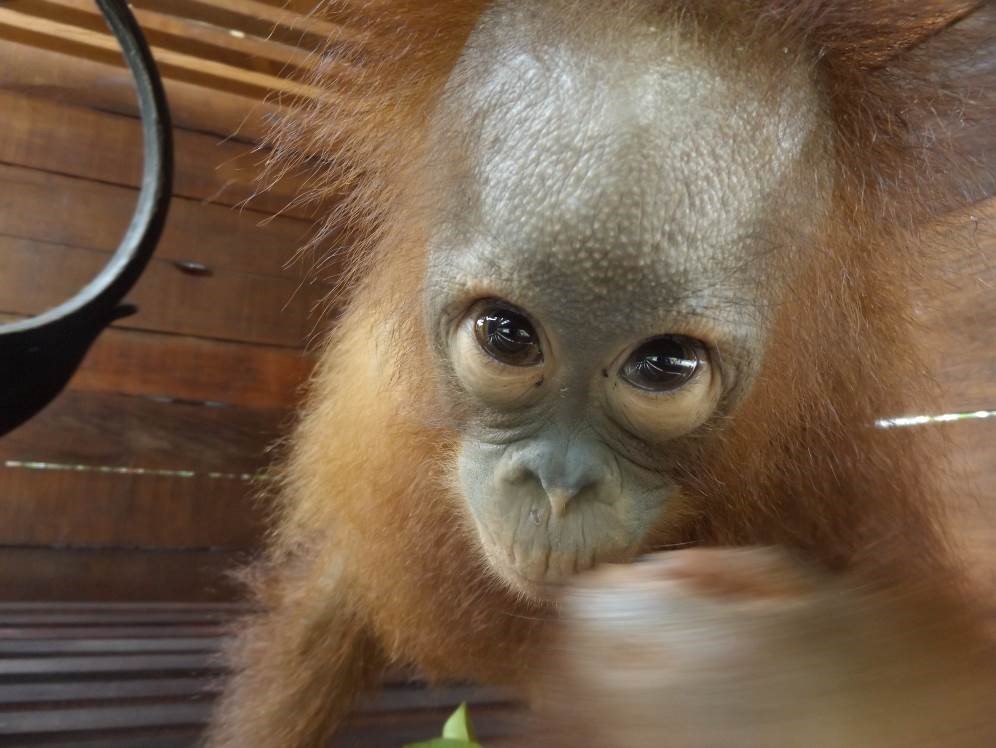
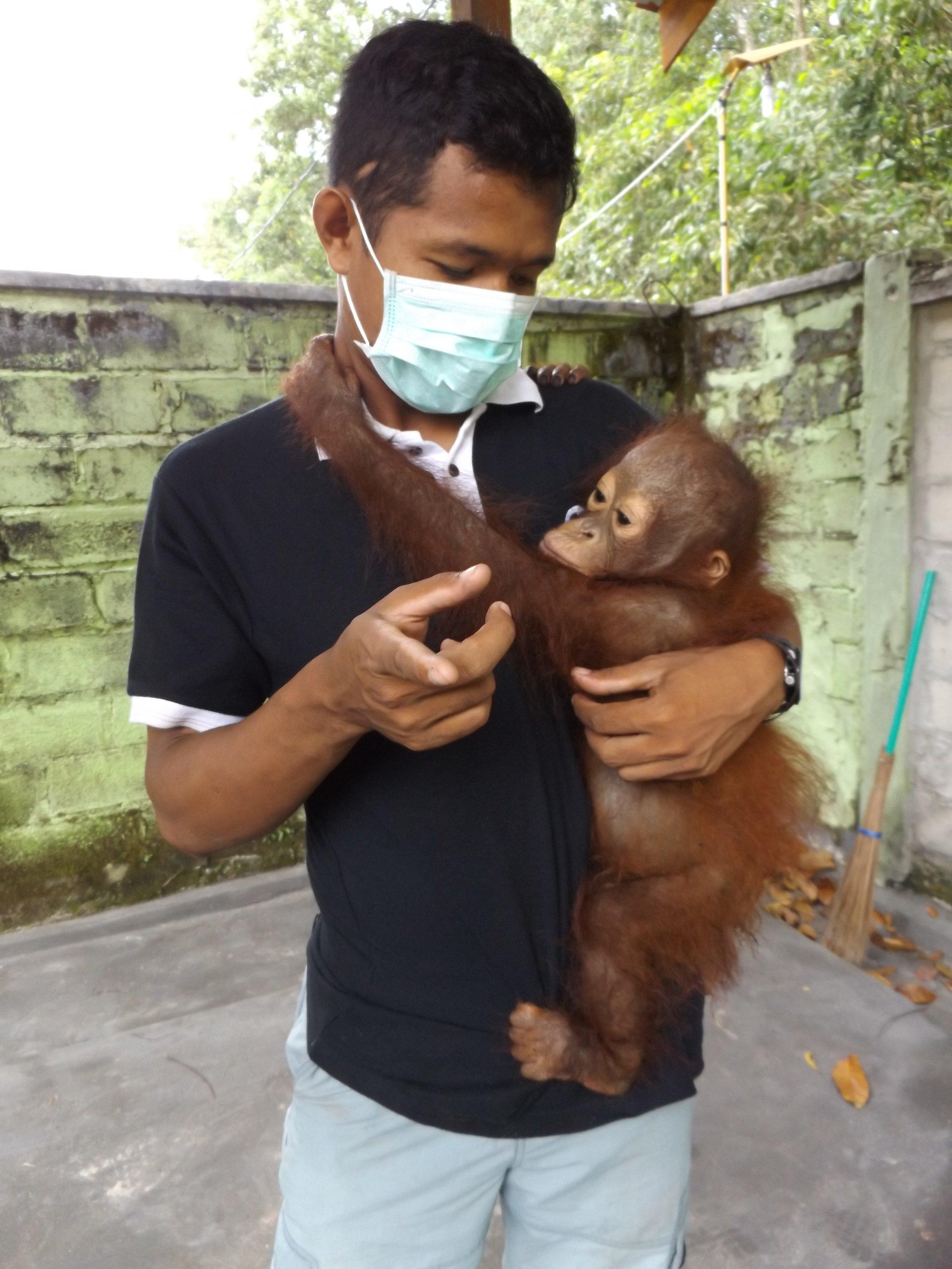
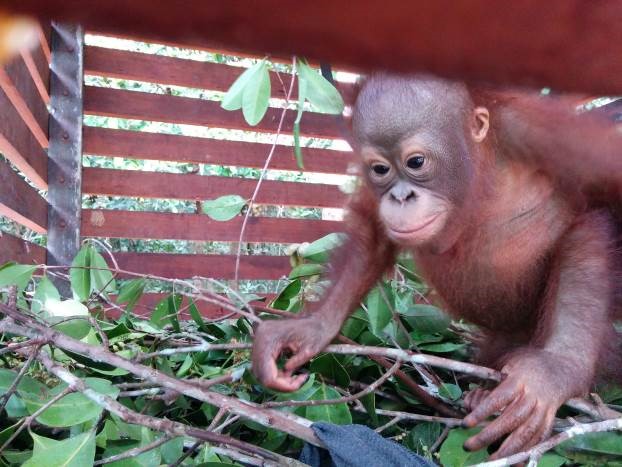
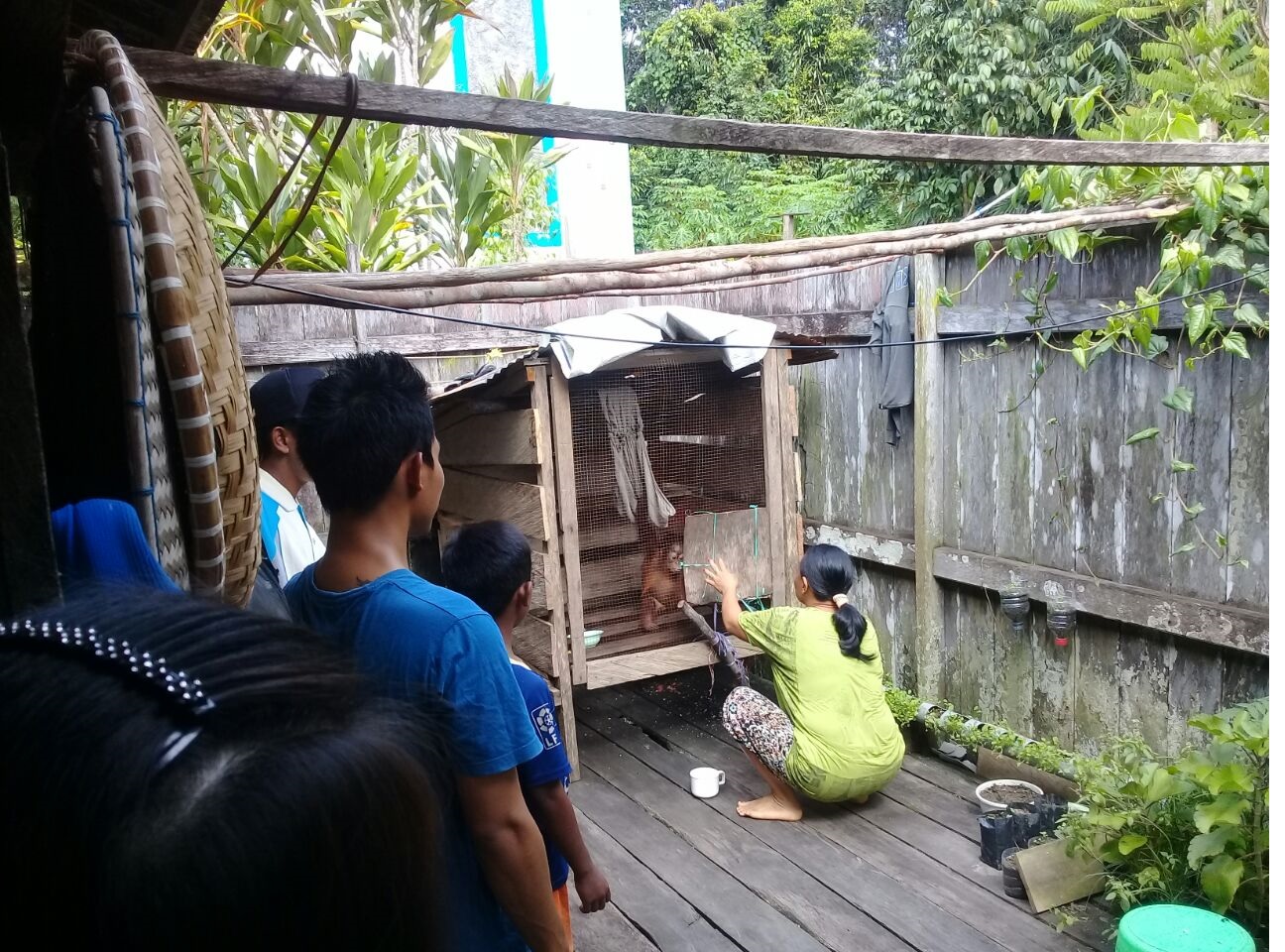
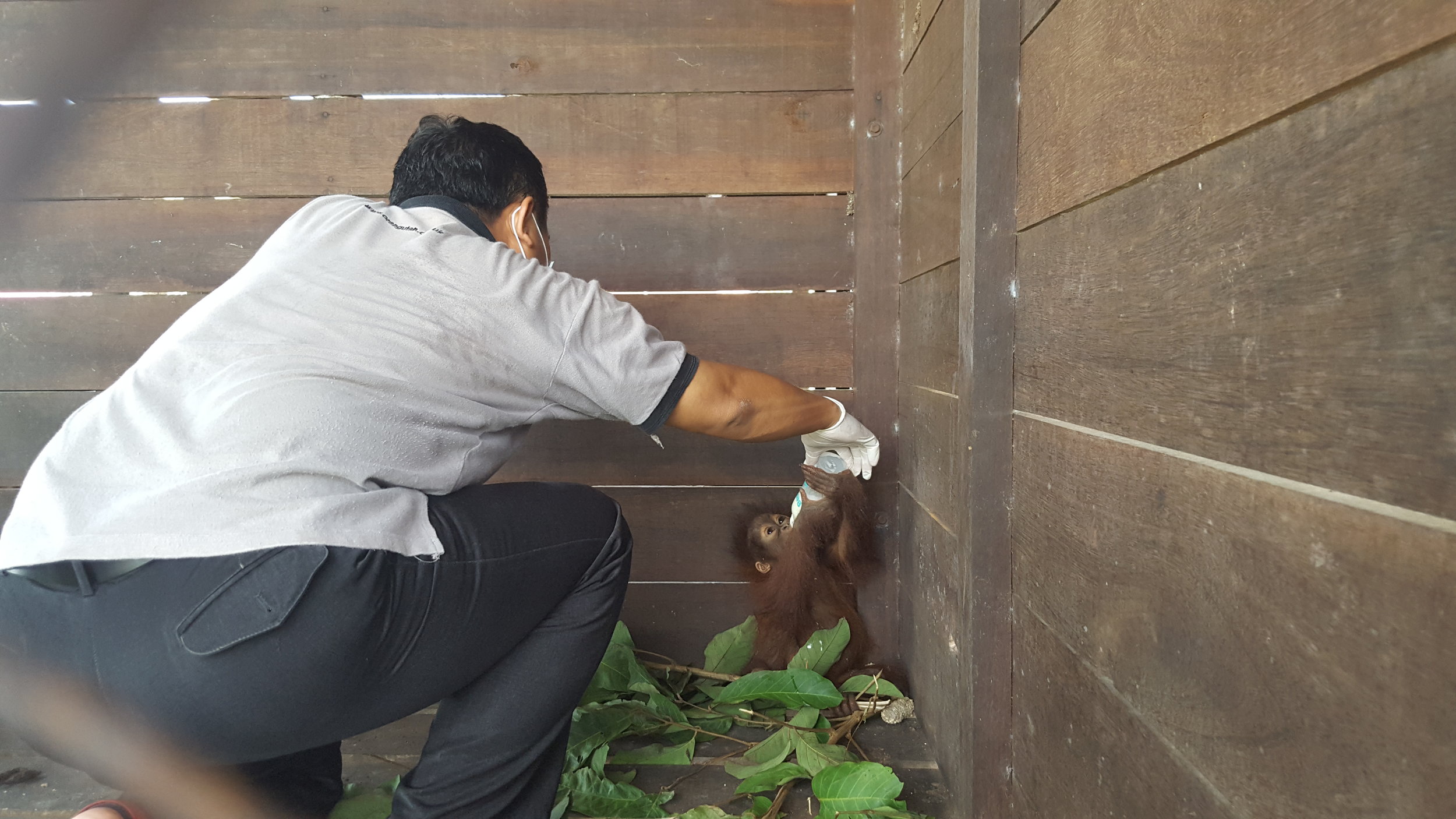
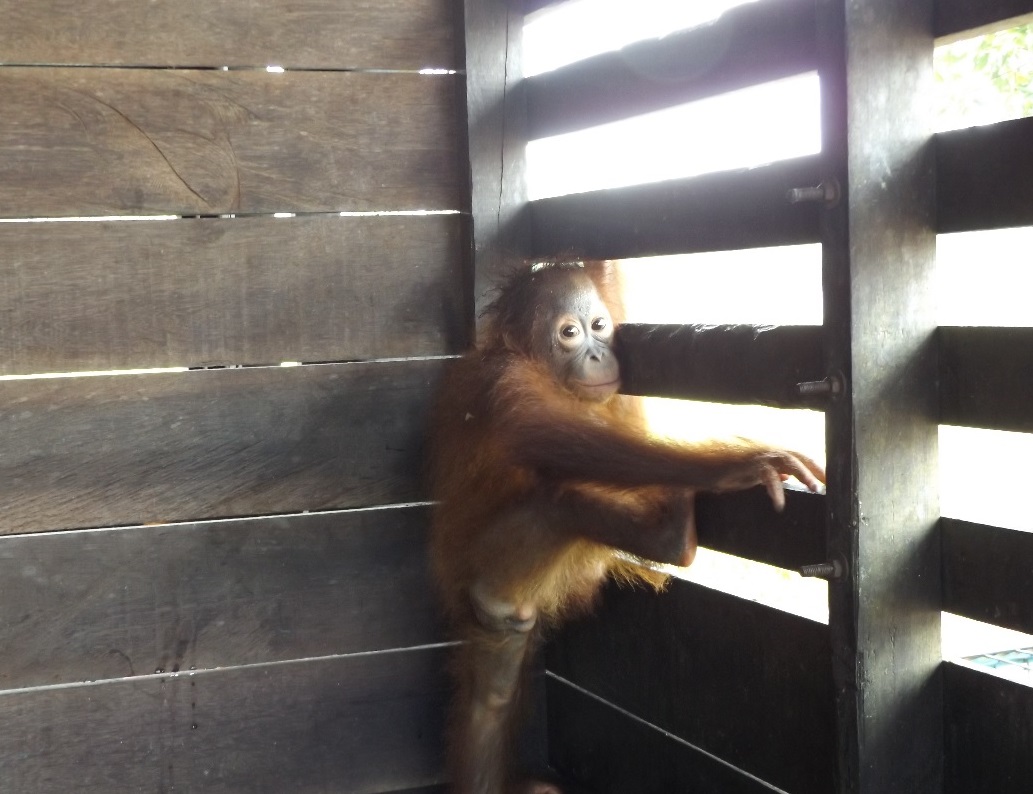
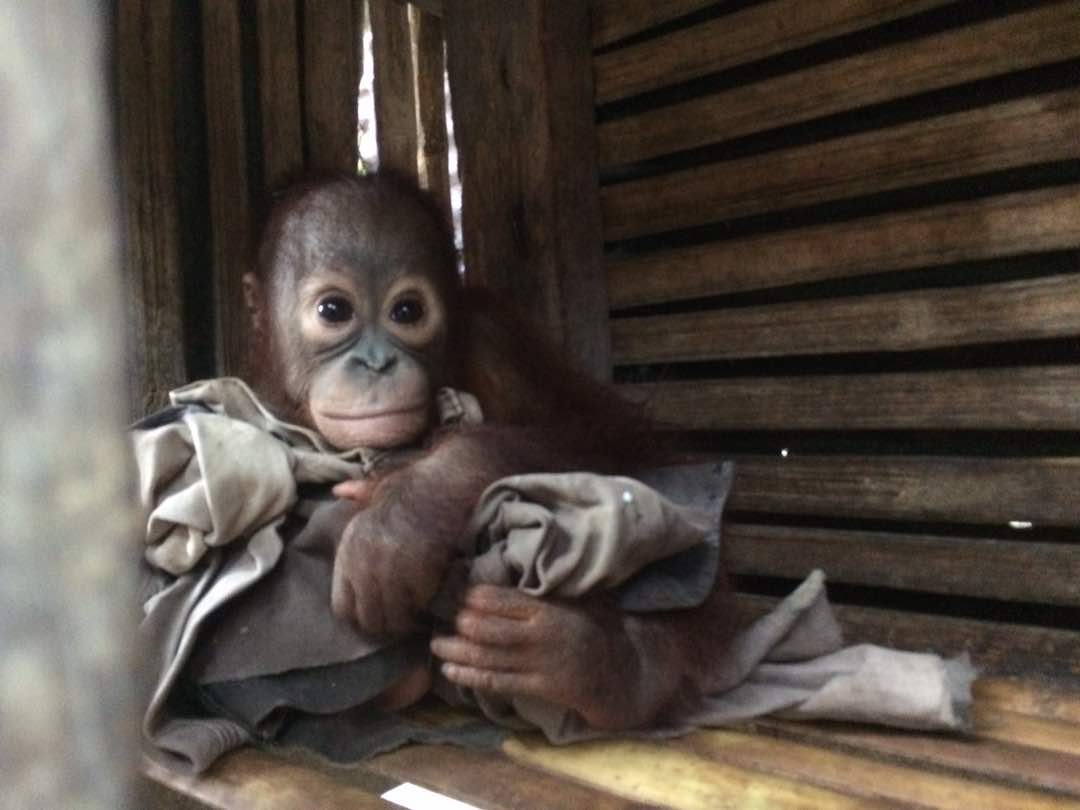 On 19th June 2017, BKSDA informed our field staff that they had just confiscated an orangutan from people who had been keeping it as a pet in a nearby village. This orangutan was entrusted into the care of the Orangutan Foundation.





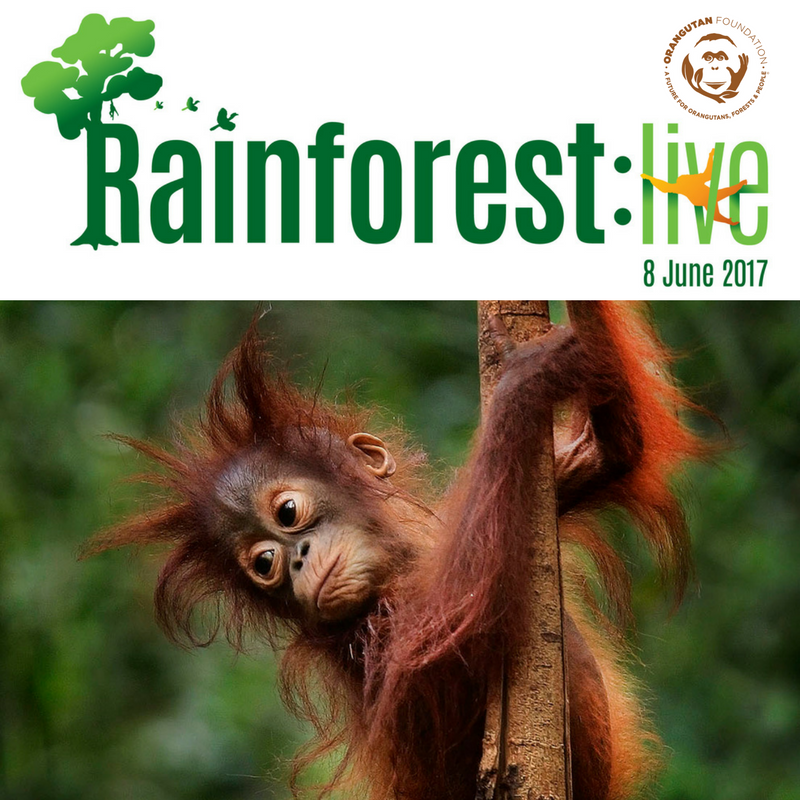 This year we again take part in Rainforest: Live, a global social media event set up by Borneo Nature Foundation, with more than 50 organisations taking part.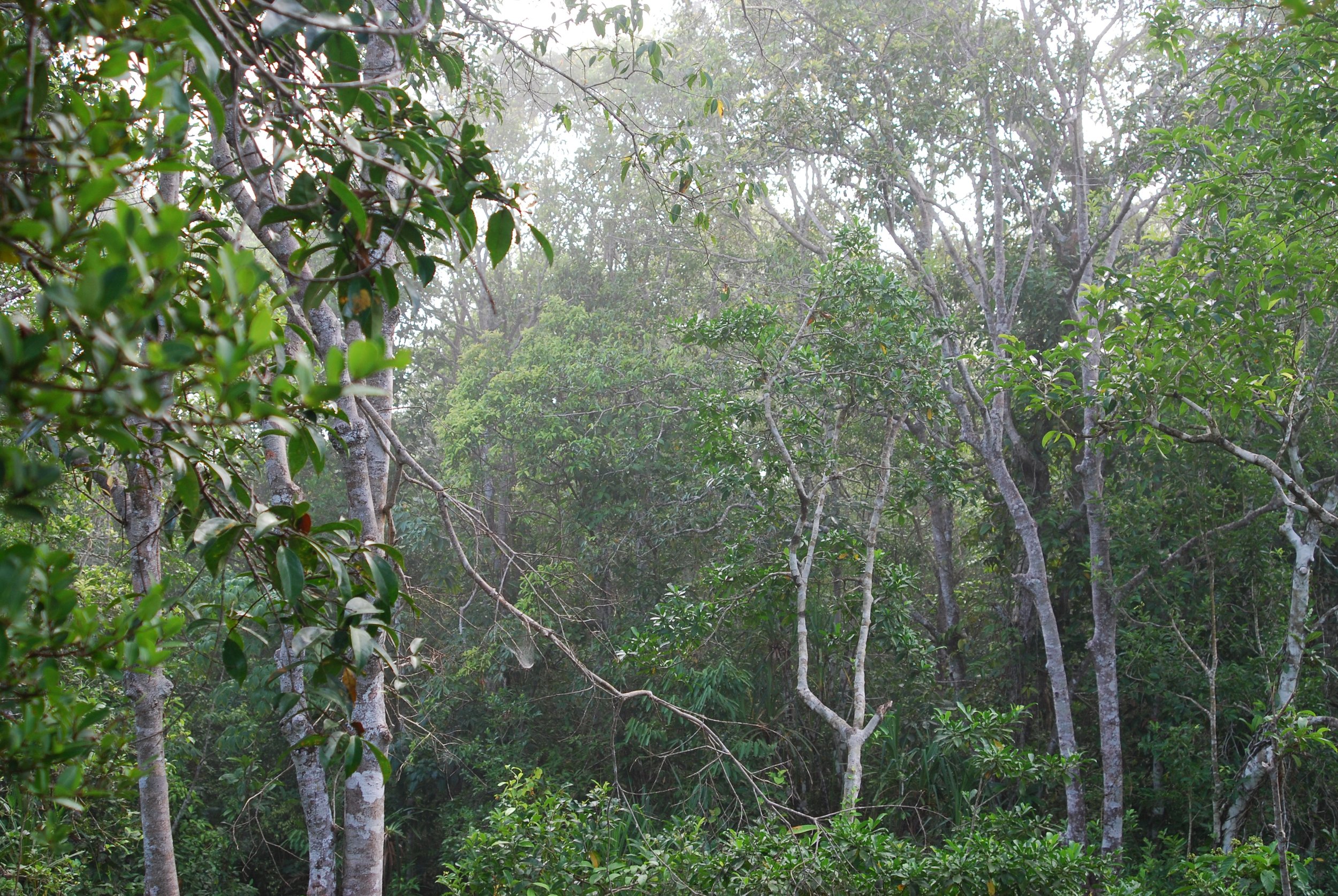

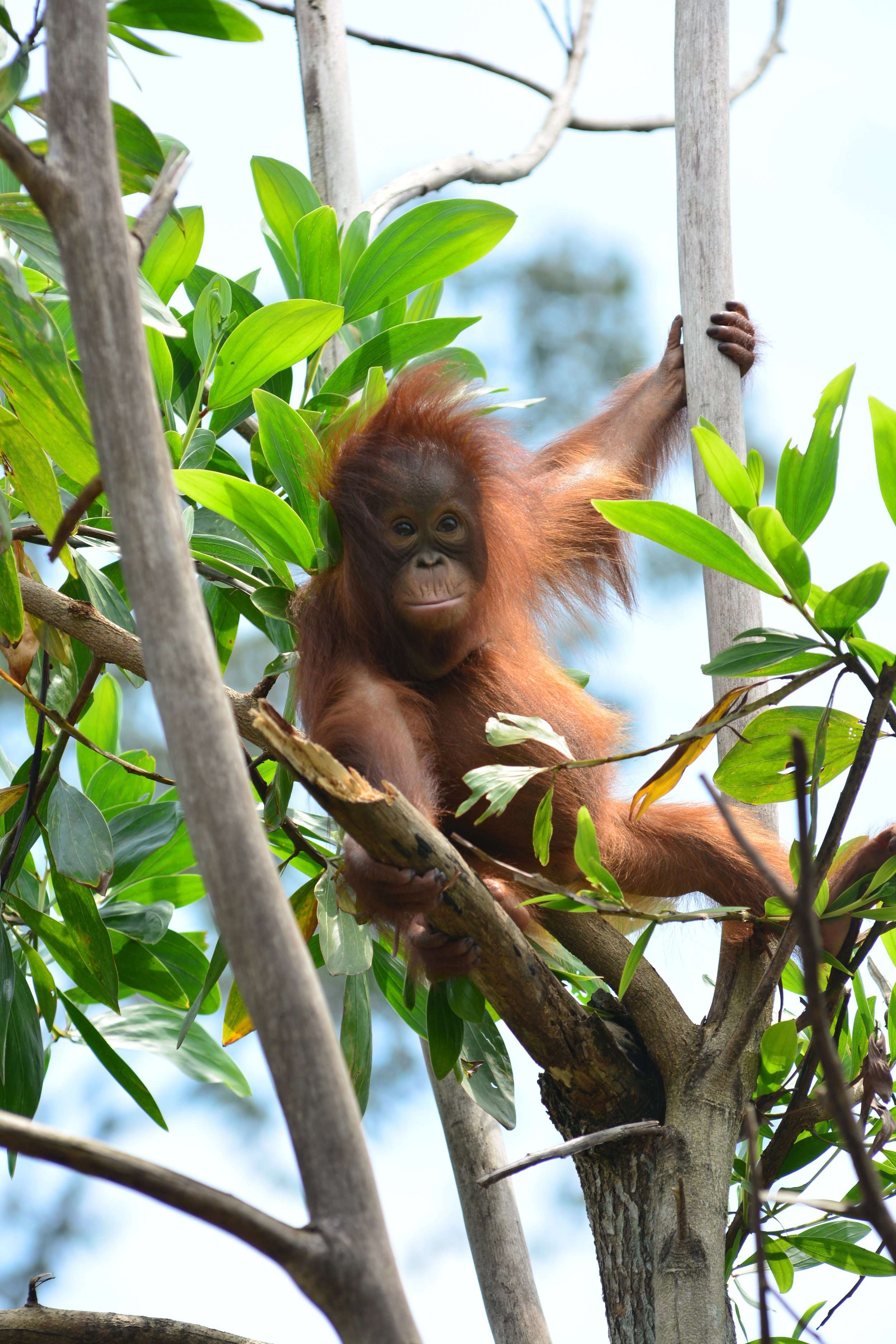
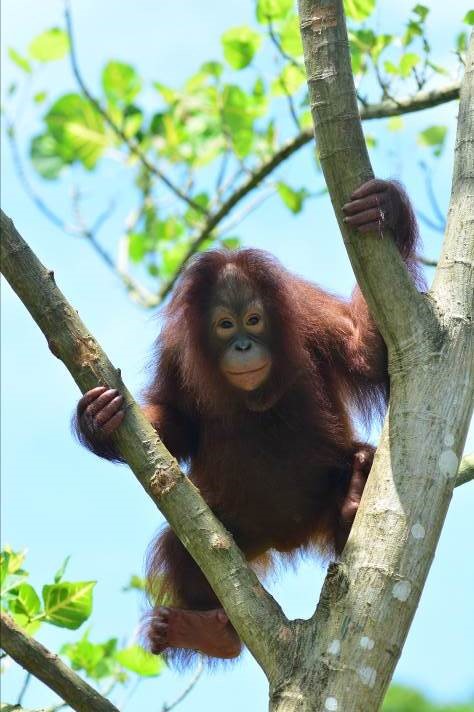
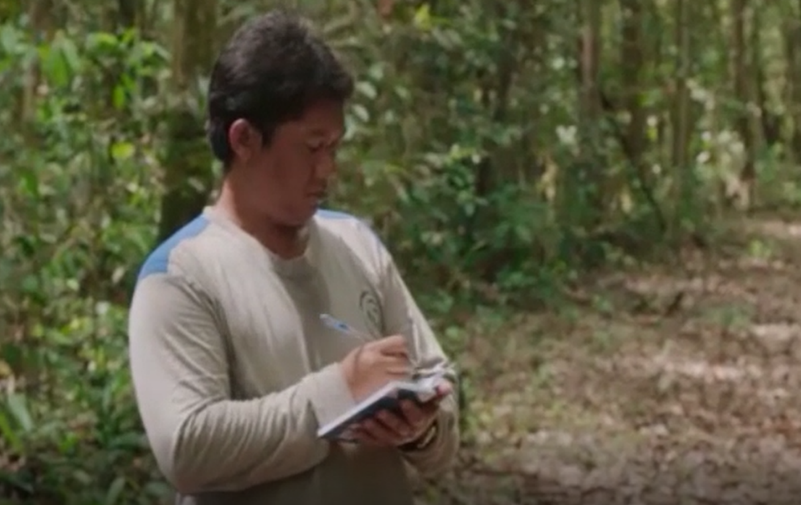
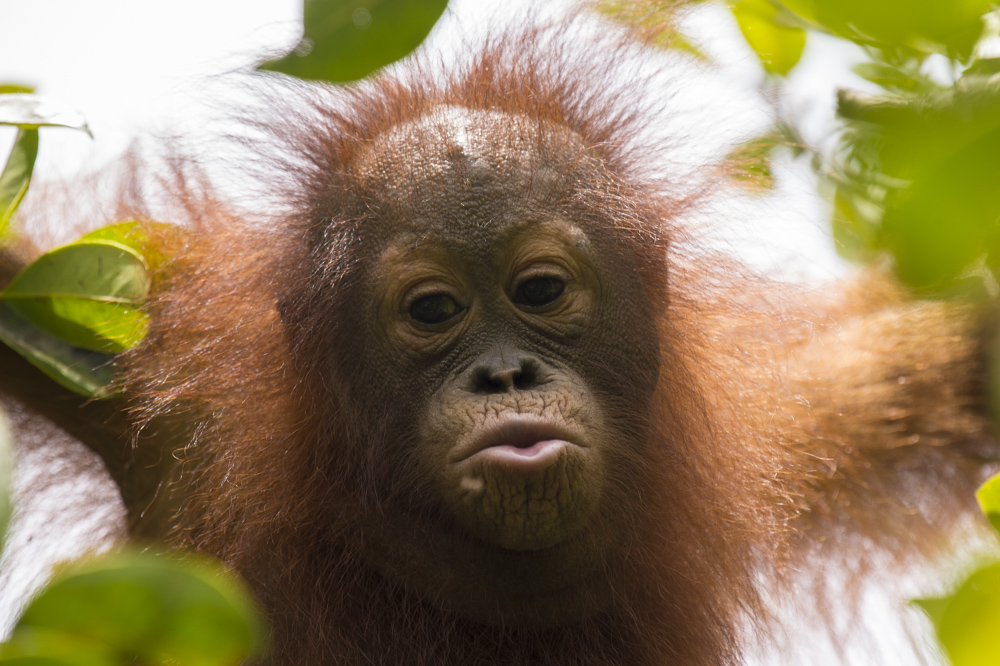
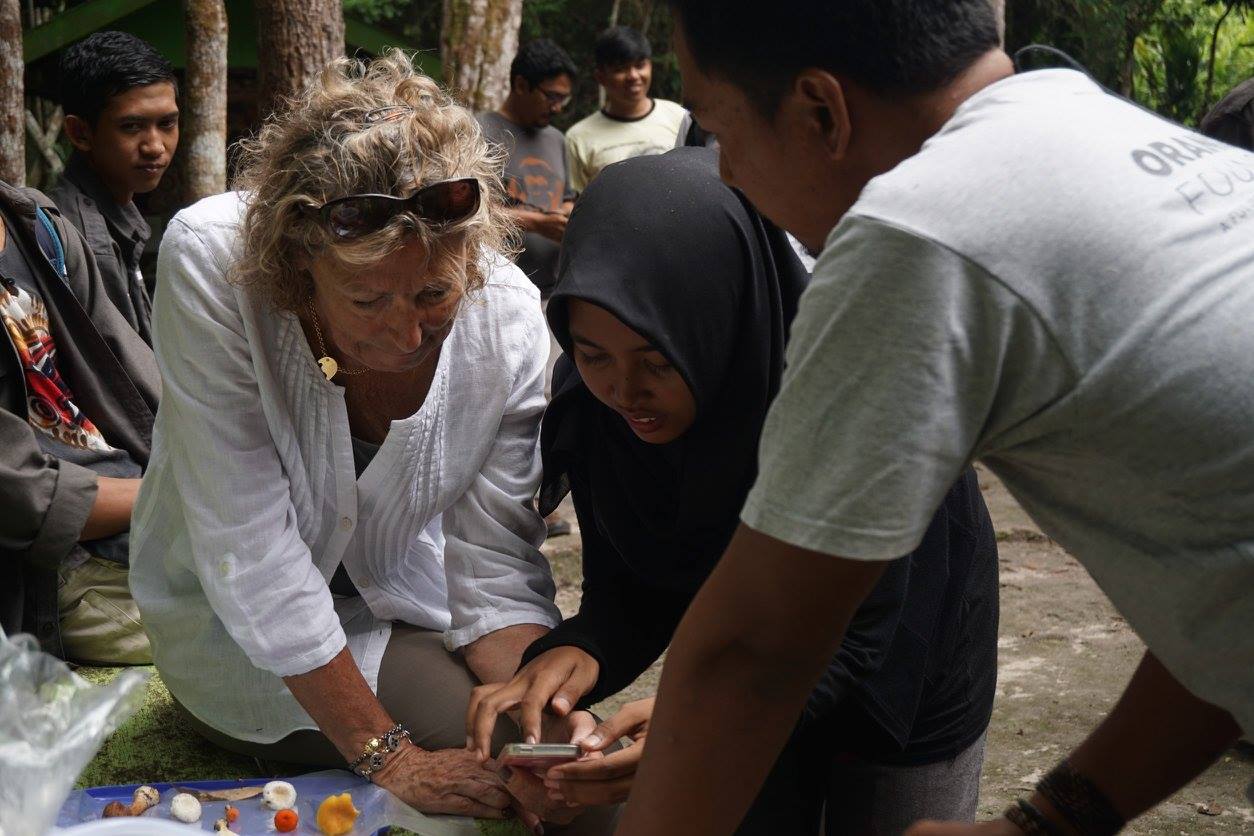
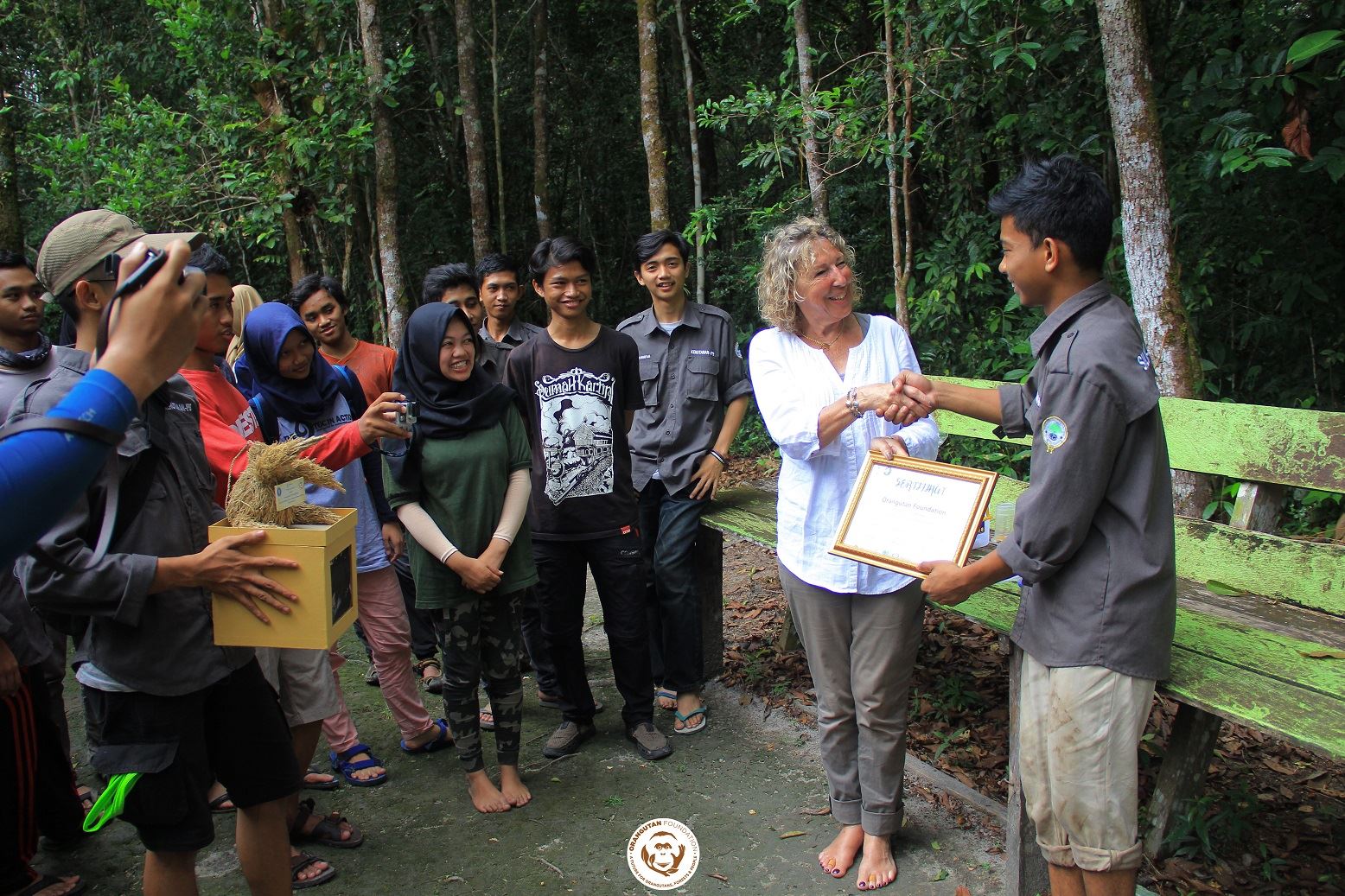
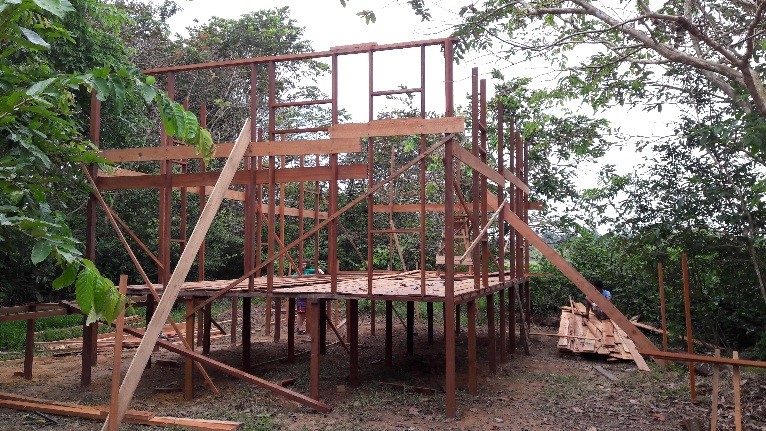
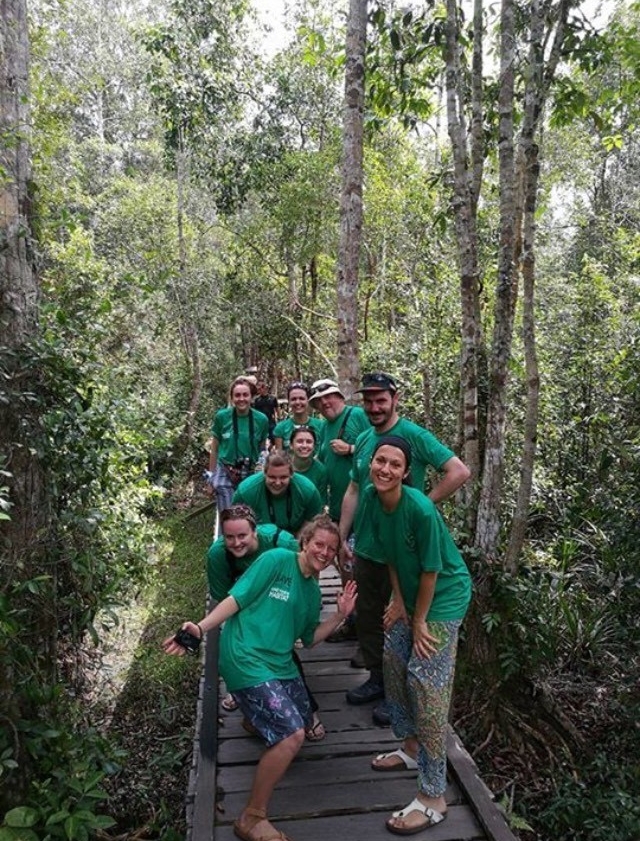
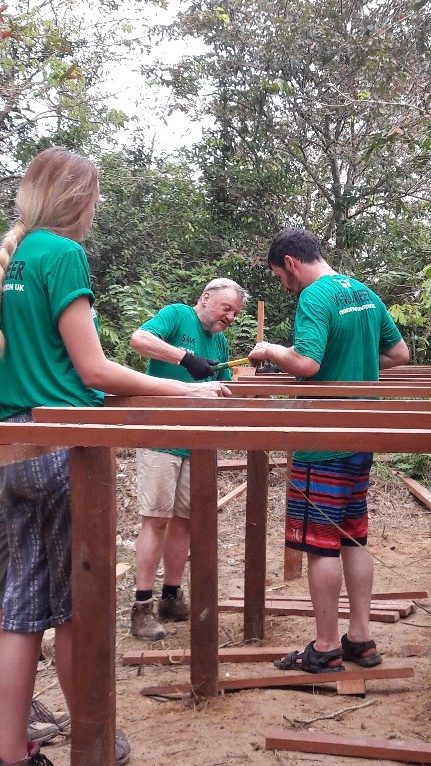
 Pondok Ambung Research Station is used as a base from which our field staff, students and international researchers can learn more about the flora and fauna of Borneo’s forests.These studies are vital when implementing strategies to best conserve rainforest habitat in this area.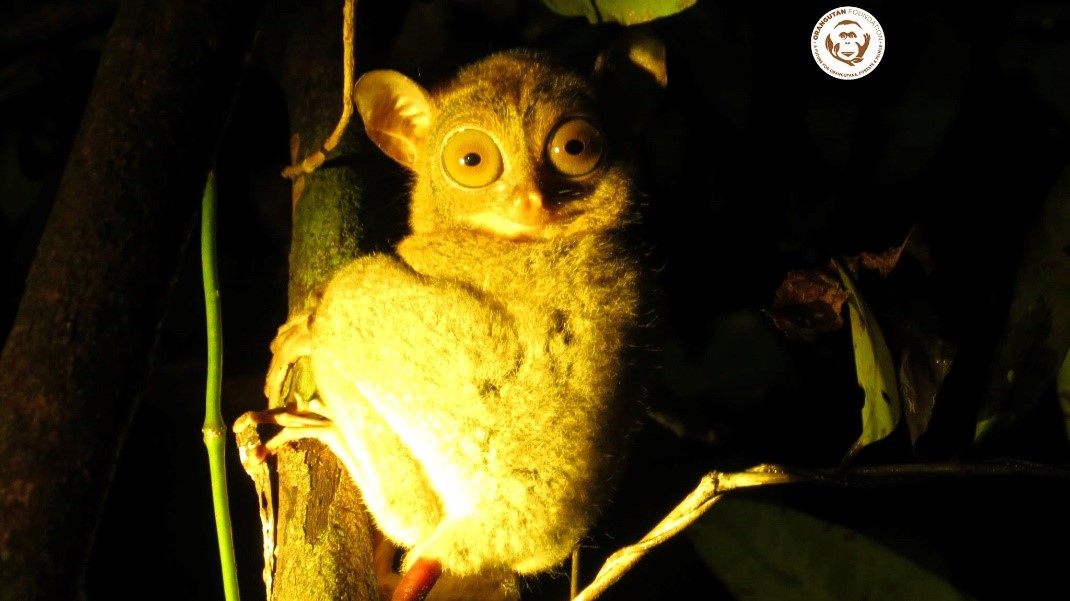


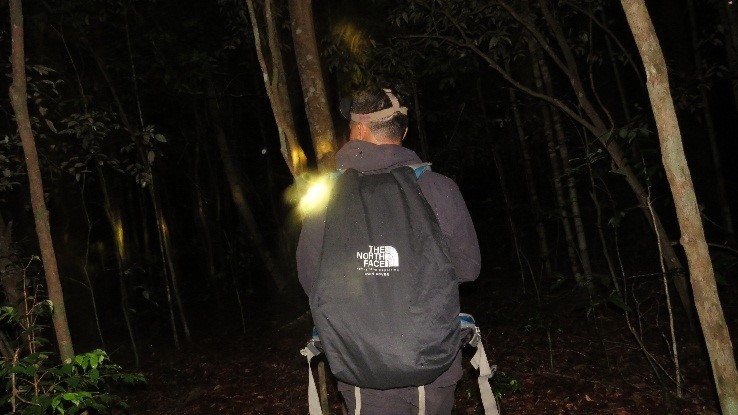





 6,000 wild Bornean orangutans live in the Belantikan region. The largest population outside of a protected area. Orangutan Foundation actively engages key stakeholders to conserve this critical tropical forest ecosystem.