Exciting start to the New Year!

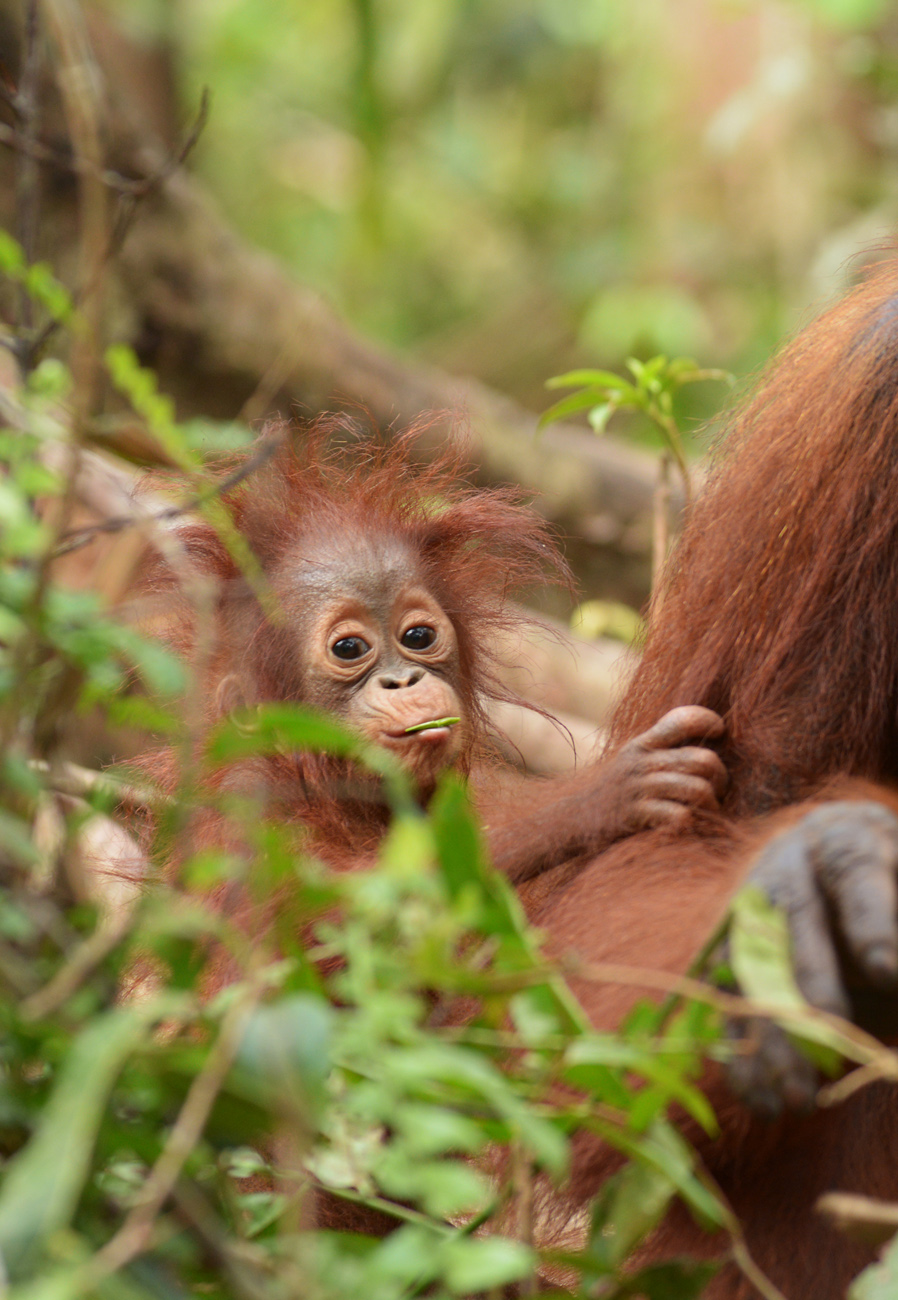
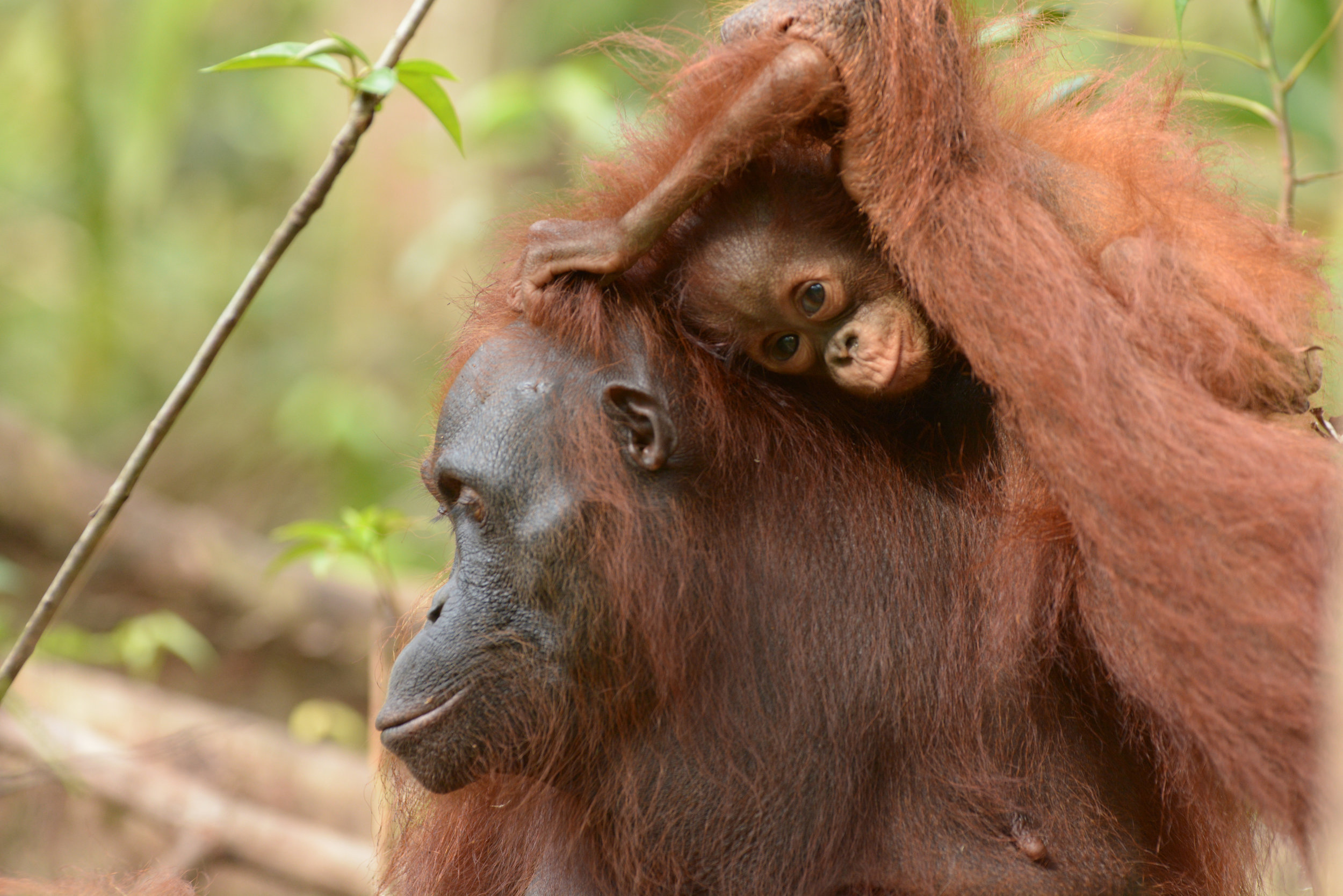
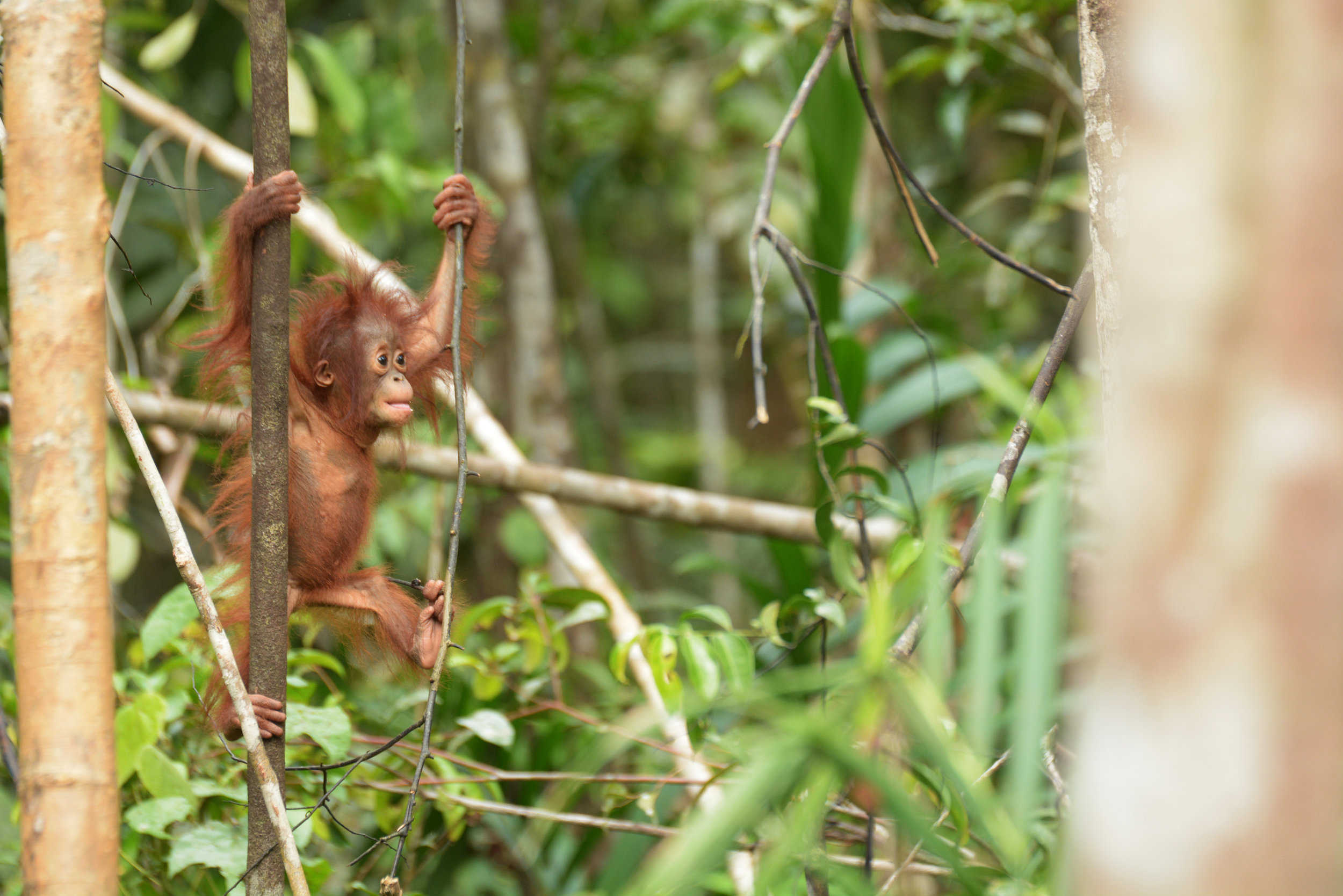
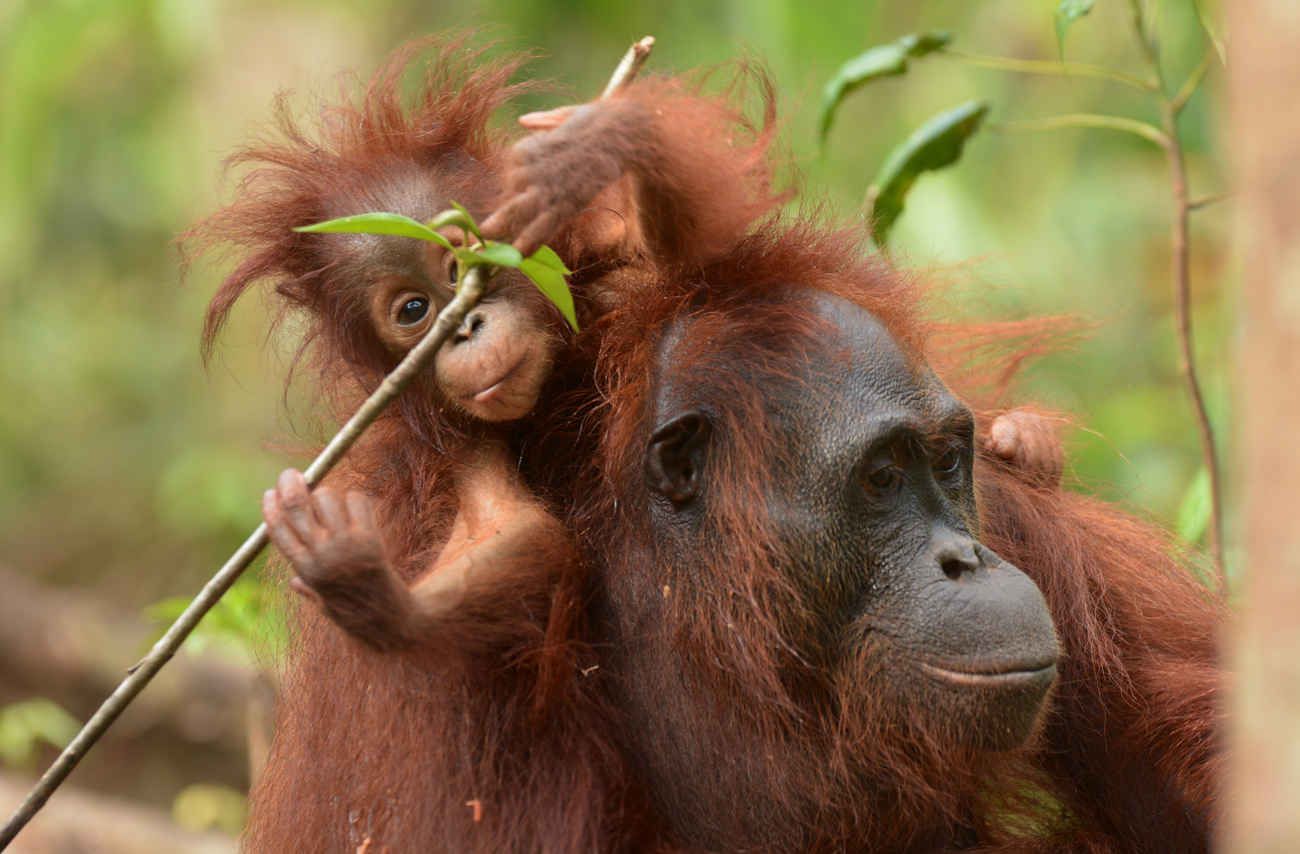
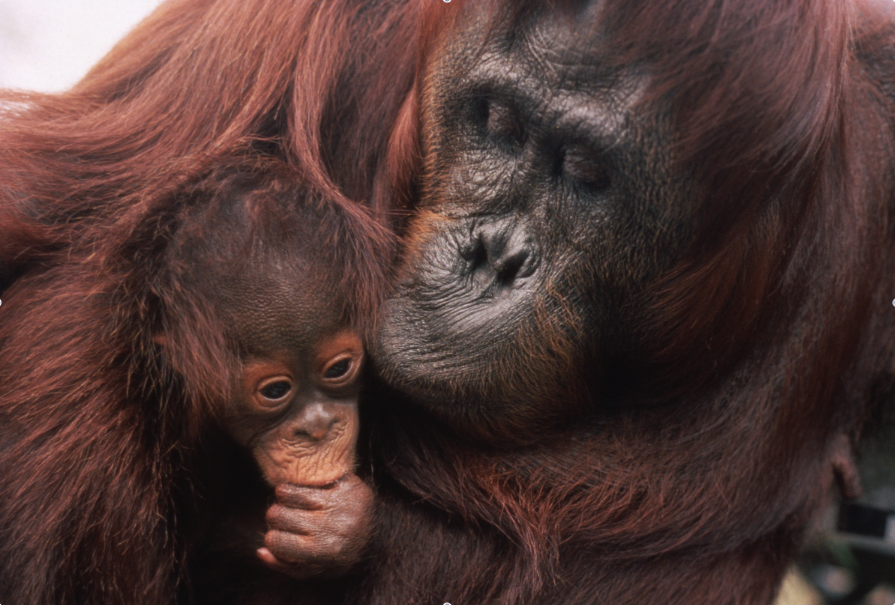
Sheila gave birth to her third offspring on the 15th of December 2014. We don't yet know if it's male or female. Her nurturing instinct is obvious from just looking at the photos. This birth is a testament to the ideal habitat she lives in, and to the conservation work that protects this area; the Lamandau Wildlife Reserve. The Foundation has always said, "If you protect the habitat, you protect the wildlife" - please read more by clicking here.

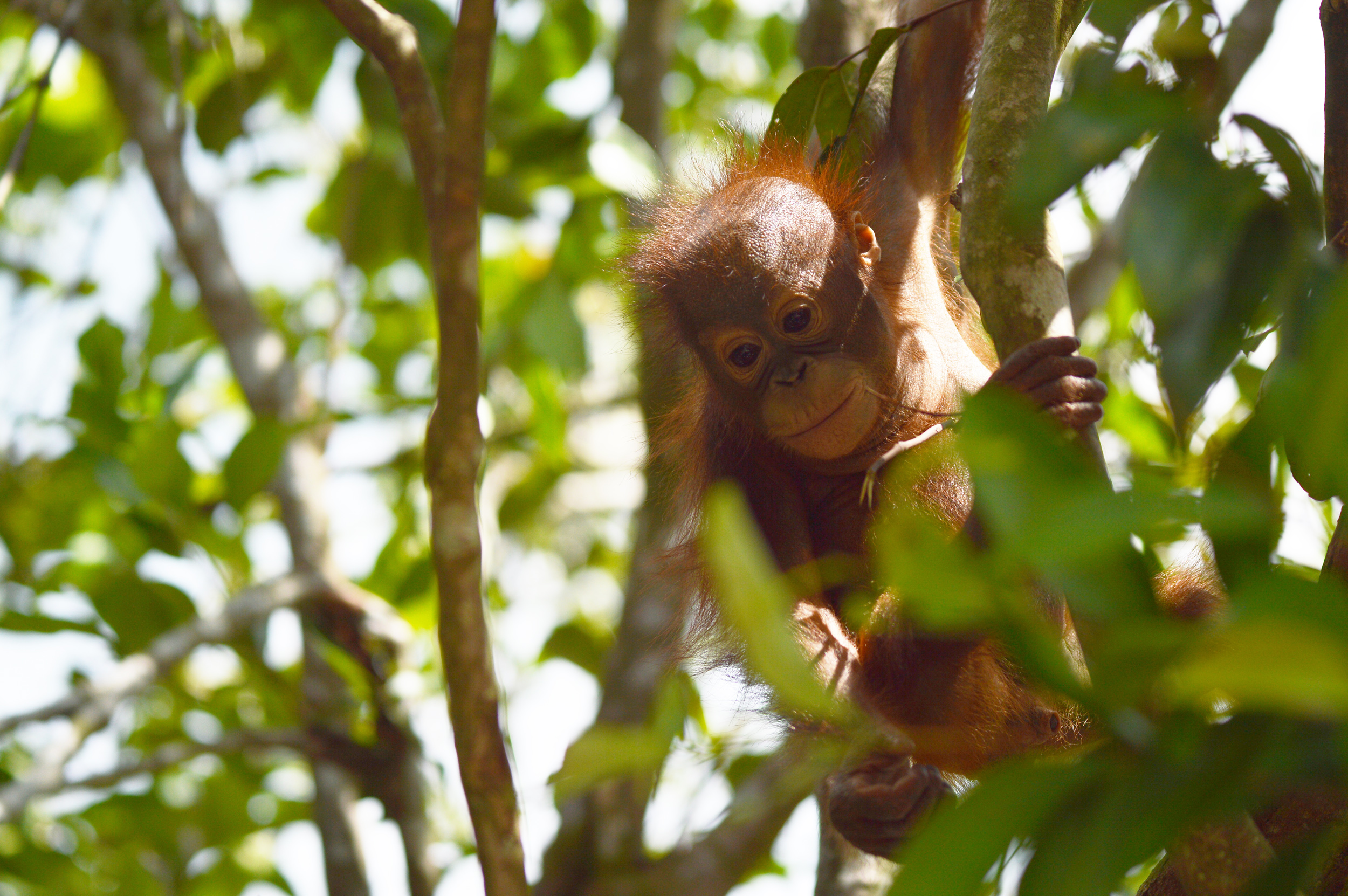
This offspring is a very good start to 2015, and two more are on the way ! f Sheila beDSC_1733 f Sheila eDSC_1948 f Sheila third offspring eDSC_1844 fb Sheila DSC_1973


Now it's New Year, we look back with confidence, knowing that we have made a difference...

The Foundation works in three areas of critical orangutan habitat. We extend the scope of our achievements by patrolling an area almost as large as the land area of Singapore. Our strategically located guard posts are therefore vital. We have been able to rescue more and more orangutans whose lives were in imminent danger. 75% of all orangutans live outside protected areas, so with our partners, we launched a campaign to collaborate with 18 oil palm companies for the protection of orangutans within the forests of their companies concessions and surrounding areas.A new born infant rides on their mother’s back.

  • In 2014, the Foundation translocated 17 orangutans into the Lamandau Wildlife Reserve.
  • Torup and Kotim were rescued from community land and both are now in the ‘Soft Release’ programme, learning skills for an independent life in the wild.
  • 2014 saw the birth of two infants, and two more orangutans are due to give birth in mid 2015.
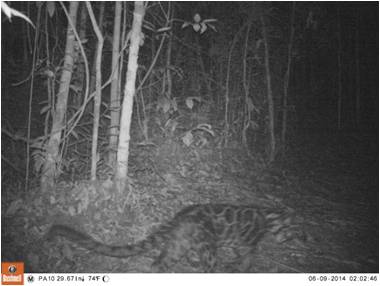
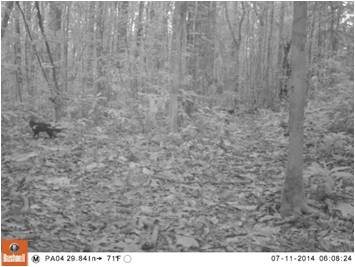
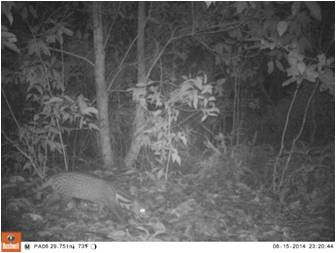
  • An exciting new initiative was the installation of camera traps in Pondok Ambung, Tanjung Puting National Park and Belantikan Arut. Without these camera traps, we would of never have had sightings of clouded leopards, one of the most elusive species of the tropical forest.

Camera trap captures a clouded leopard.

  • The Volunteer Programme once again proved its worth, by renovating a Guard Post on a vulnerable river in the south of Tanjung Puting National Park.
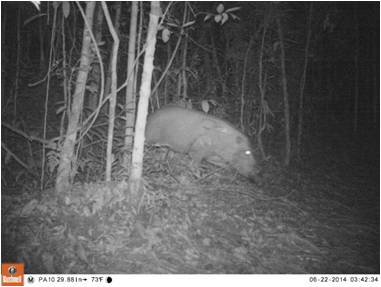
  • An important research project is the Population and distribution of the endangered banteng (wild ox), found in the Belantikan region. This is critical to the banteng’s future status.

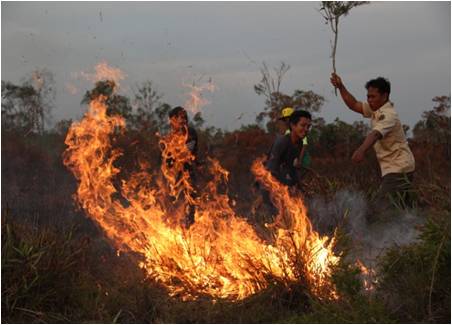
Our teams bravely fight fires, the blaze reoccurring every dry season.

  •  Thanks to the diligence of the Foundation staff, forest fires (an annual problem) were quickly identified and isolated, which prevented further areas of the forest from being burnt.

Thank you to all - your support really does make a difference and the orangutan foundation could not have achieved any the above without your help. A very happy New Year.

The Foundation out and about...

DSCF1939 In October this year, the Foundation staff visited a school in west London, one of several schools we've enjoyed visiting in 2014. Our UK school visits go hand in hand with our Education Programme in Indonesia, read more here. 

This class had been studying rainforests across the globe, learning how habitat destruction effects the endangered orangutan and other wildlife. With the presentation and activities led by Foundation staff, the visit further encouraged the class to raise environmental awareness. Children particularly enjoyed listening to an orangutan long call and trying to make the distinctive call themselves.

DSCF1942

The Foundation thanks the class and teaching staff for their generous contribution.

To learn more about orangutans, with downloadable resources, please visit our website (click here). See our wide range of work in Indonesia by clicking here. 

Thank you to everyone who supported Orangutan Awareness Week and The Big Give this year.


A welcome end to the dry season...

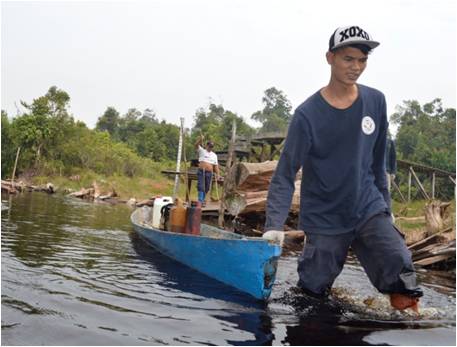
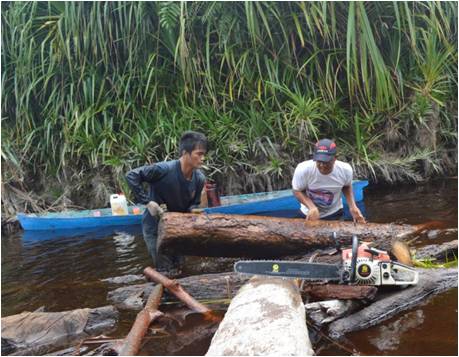
Foundation staff have welcomed the end to the prolonged dry season, more than three months. During this time, it was very difficult to reach Camps and Guard Posts with food and logistics. In spite of the low rivers and logs blocking access, staff were still able to get supplies to the camps and guard posts, even if it sometimes took them 6 - 7 hours, rather than the normal 2 - 3. Even under these difficult conditions, the staff carried out their work with dedication and good humor. The dry season is also the reason behind the fires that occur annually - this year they were especially severe. For the future, the Foundation staff need to be prepared by creating more bore holes and providing extra fire fighting equipment. It is only through these measures that we are able to control the fires and to prevent any further destruction to the forest and threats to the wildlife.

Thank you to all our dedicated staff in the field.

4

Teguh 31.10.11 1

Teguh 31.10.11 3


getting up river - dry season

moving logs - dry season


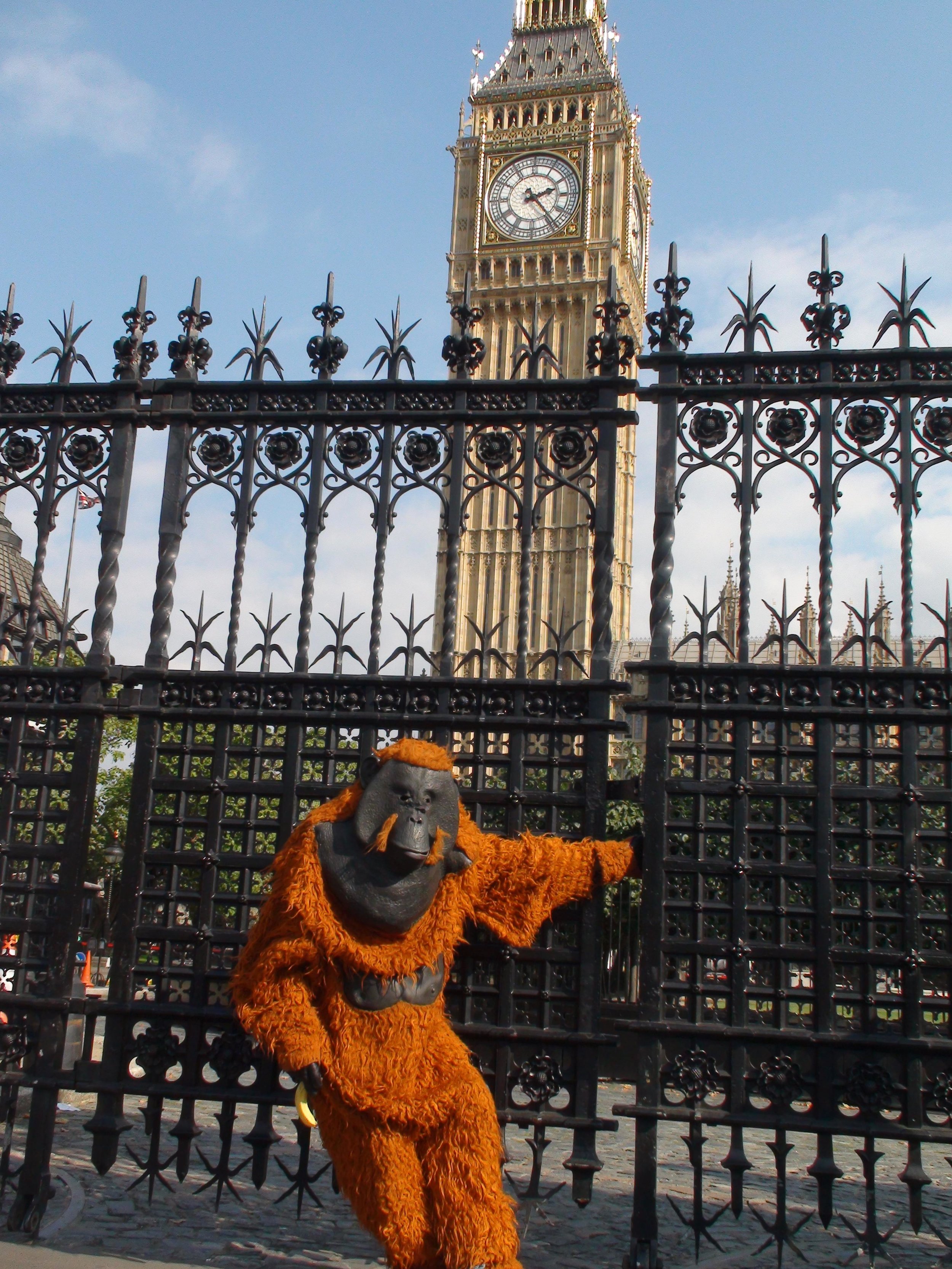
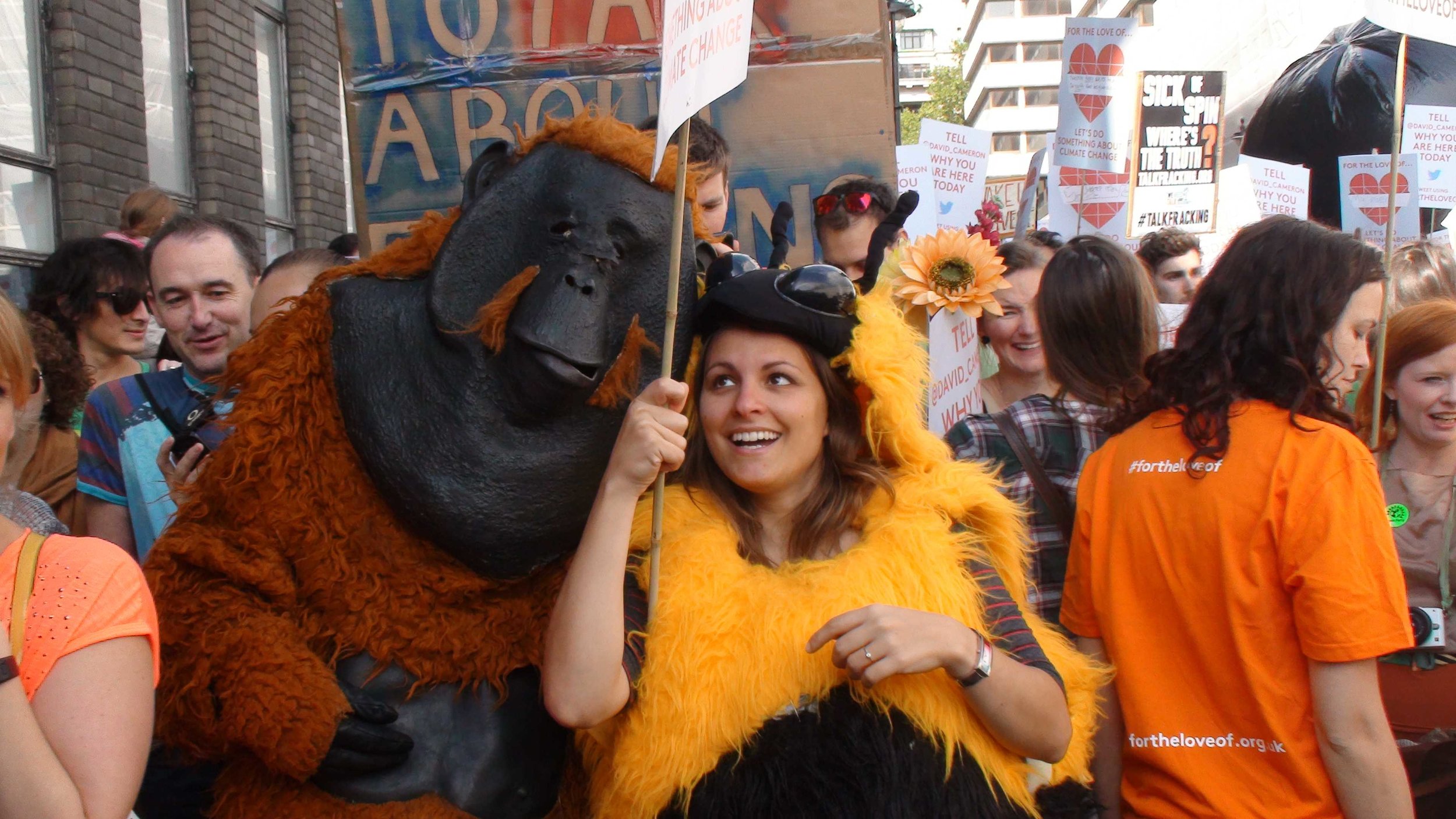
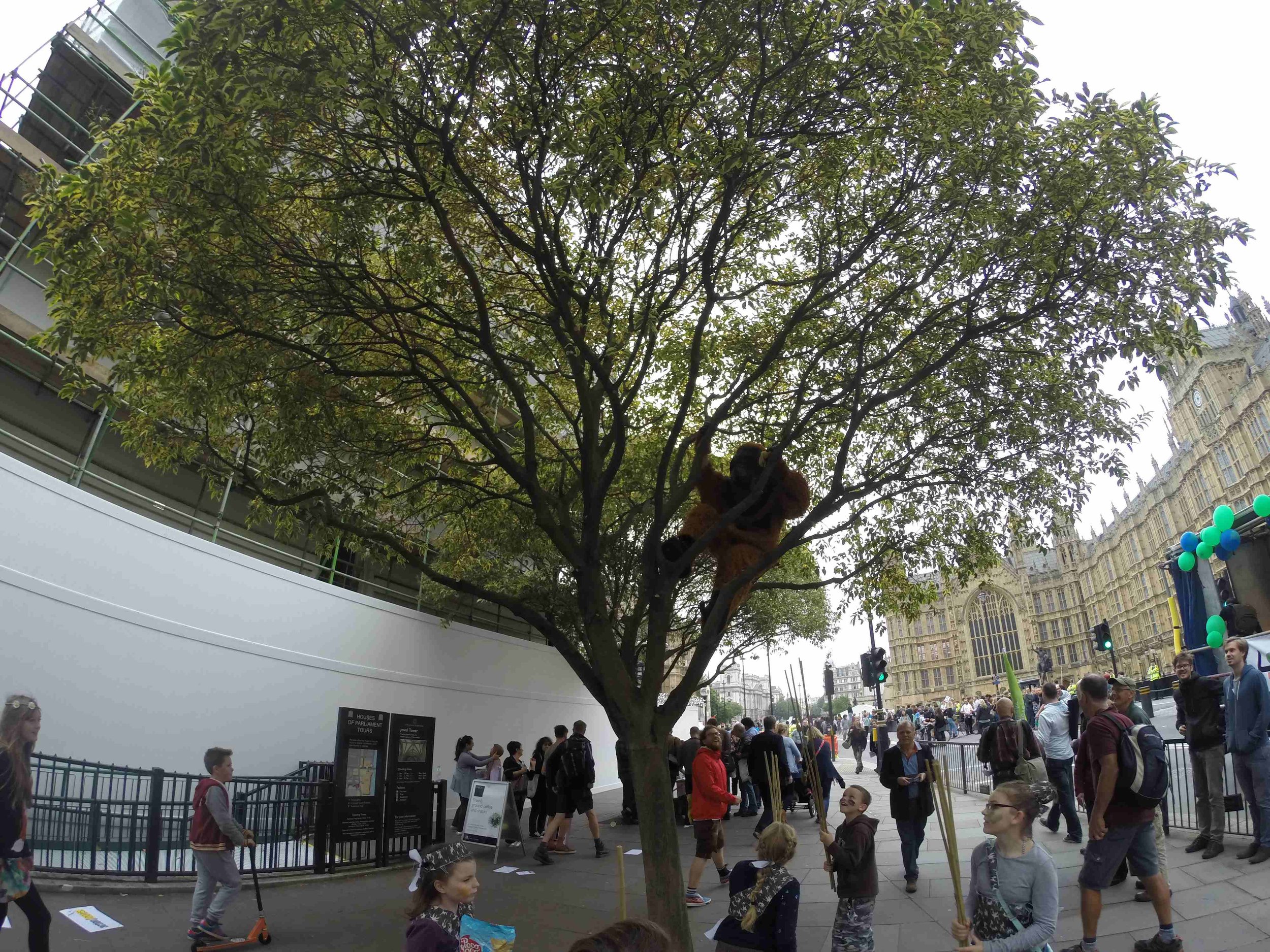
Nick on his Travels! : Climate Change March on the 21st of September 2014

DSC03772 Nick was out and about again on Sunday the 21st of September – a date that will go down in history as one of the biggest marches globally, with 40,000 people attending in London and 400,000 in New York City

DSC03770

Altogether there were over 2,500 events in 166 countries – and Nick took part in London!

DCIM100GOPRO

Campaigners were marching for global action on climate change, in one of thousands of events worldwide ahead of a UN climate summit (23 September, 2014, New York).

Nick has had many travels - which you can see here - but never has he had so much company!

Please click here for more information about the march.

Picture2

Learning to be free!

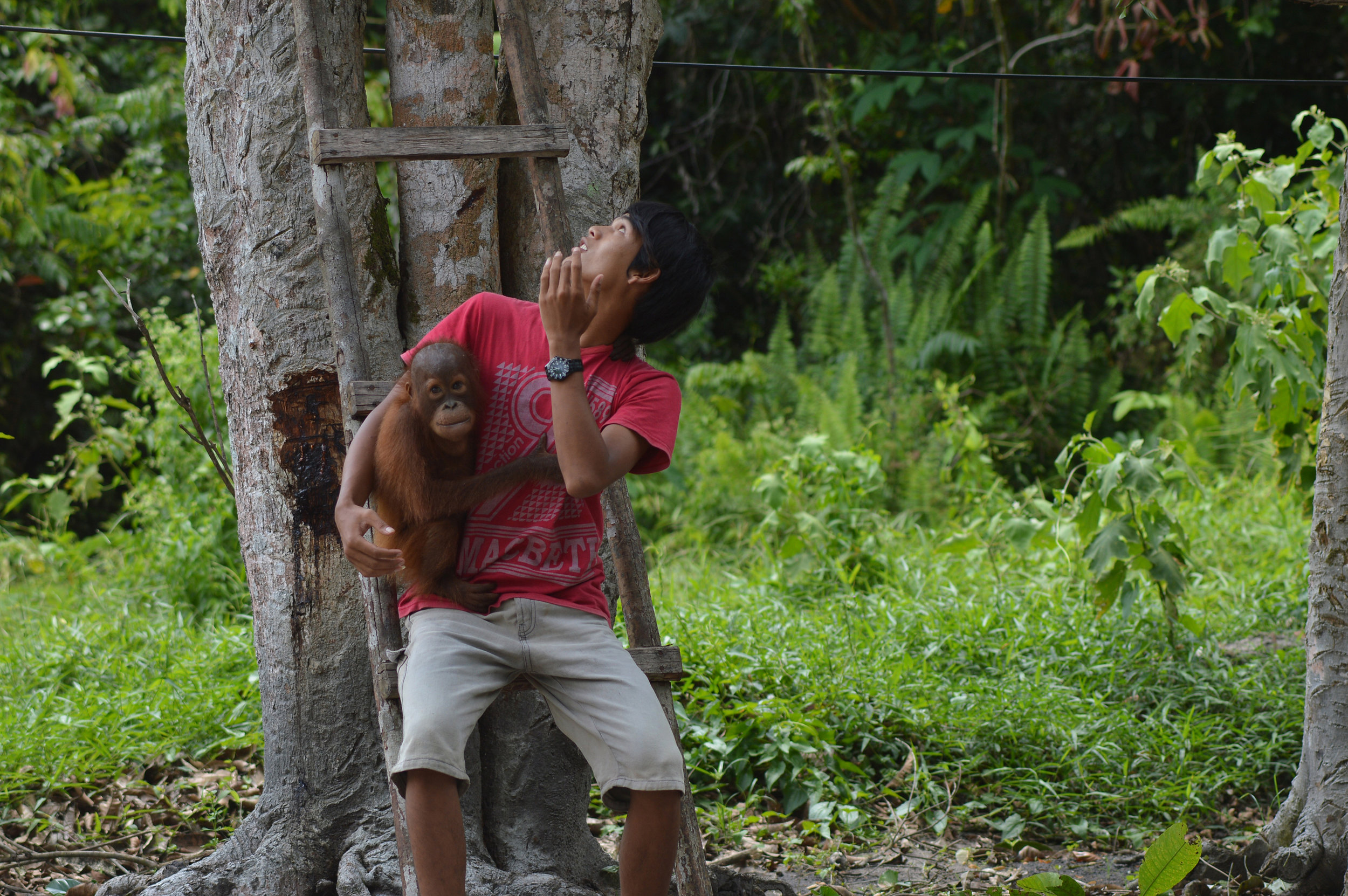
Ivan who hold wood stairs DSC_3117 You may wonder about the ladder in this photo… In this case, it’s because Ivan and Yuli are reluctant to come back down from the tree, the staff – using the ladder – can reach them high in the tree, and bring them back to their cage for safety. Ivan in the soft release DSC_3123

After one year in soft release (and using the ladder!), Ivan has now graduated to spending all his time in the forest, with no need to come back to the cage at night! As always, he still travels with Yuli (see some of their story - click here).


They are great companions; the same age, both developing through their soft release at the same time. After one year, they were both released together – a great release to witness! We are hopeful Ivan will become a mature, confident male in the future…

Direct quote from our Vet… “Don’t know if someday Ivan will become mature male, we hope so, or even dominant and then what happen? are they still together?. Together or not, we are all happy to know that they were survive in the forest.”

mc mantra offspring DSC_5983

The Foundation’s relationship with individual orangutans will ideally be short, as we can translocate fit and healthy individuals straight away. Sometimes the process of soft release can take some time, but whatever care the orangutans need, the Camp staff and Foundation vet are ready and waiting to improve the lives of those rescued. To find out more about the Foundation’s Translocation and Release Programme, please click here. You can make a donation to this life saving work here.

...With a lot of help from our friends...

More can be achieved by working together...Collaboration and partnerships are how we extend the reach of the foundation. Working with groups who have similar aims, we raise funds to support our team on the ground, funding research and education. The training courses we administer enable local people to continue to live sustainably within forest environments.538839_10150788342383993_1920120953_n

GRASP - The Great Ape Survival Partnership, working with its partners UNEP and UNESCO - comprises of the great ape range states that work together to lift the threat of imminent extinction facing apes in Africa and Southeast Asia. The Orangutan Foundation is on the GRASP Executive Committee.

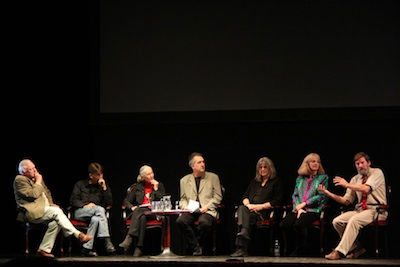
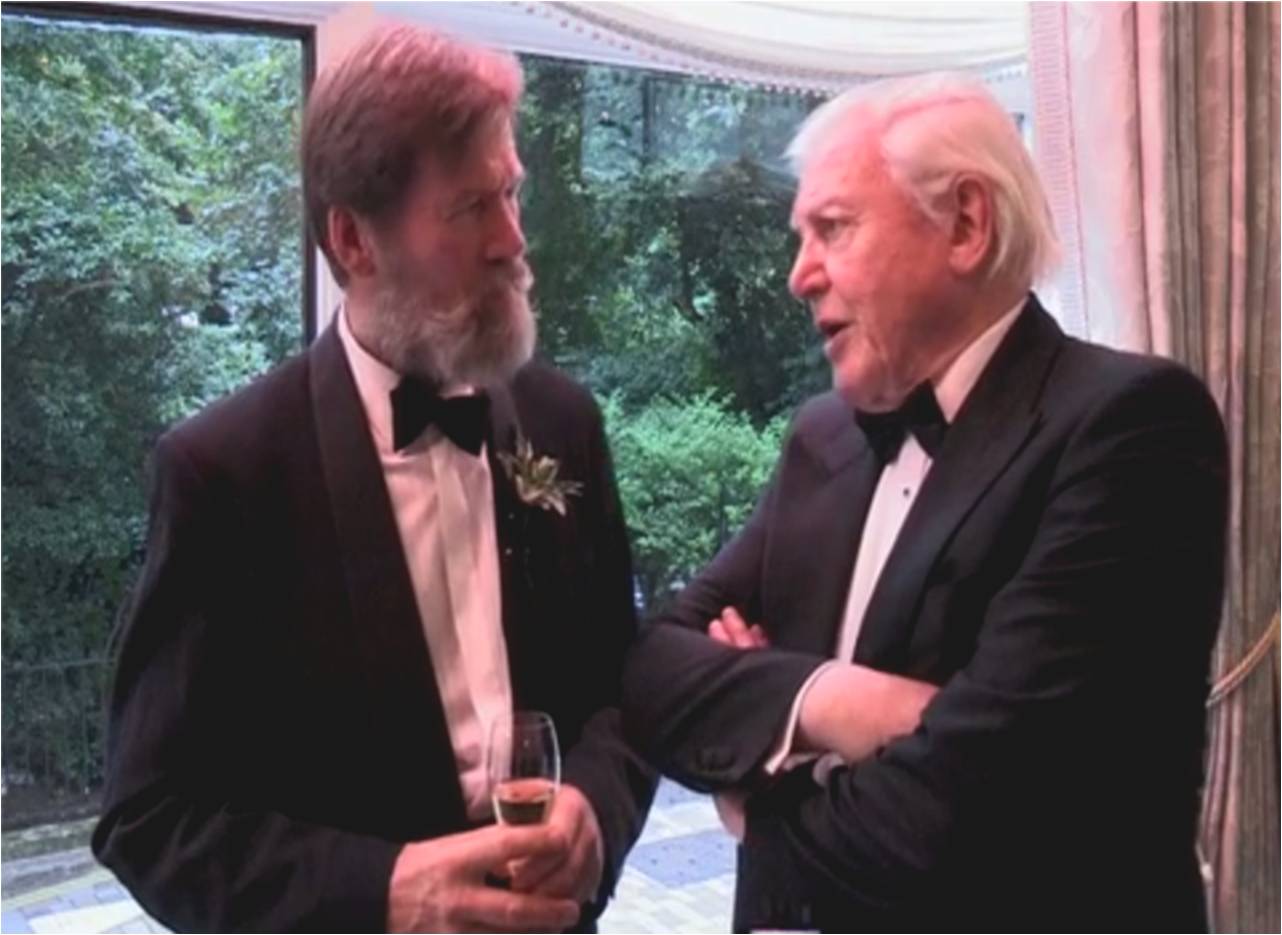
4apesThe Ape Alliance is an international coalition of organisations and individuals working for the conservation and welfare of apes. The Foundation is a founding member of the Alliance. Here Sir David Attenborough, Dr Jane Goodall and other speak in a panel discussion with Ape Alliance Chair and Foundation Trustee, Ian Redmond OBE at Ape Alliance's 'Hope for Apes' evening in 2010 at the Lyceum Theatre

Hope-4-Apes-Panel-Discussion

Both these groups provide a forum for discussion, campaign for public awareness and help information exchange between groups, including the coordination of events. The Orangutan Foundation works with these groups to ensure our experience of working for forest protection over 24 years has the maximum effect across the globe.

Yayorin - Yayasan Orangutan Indonesia (Indonesian Orangutan Foundation) — is our partner organisation. Our work with Yayorin contributes on their  Education and Awareness Programme, supporting and promoting their projects. This has included helping with Kampung Konservasi, the conservation village that provides a learning centre for the local community, teaching sustainable agricultural techniques.

We also collaborate with Yaryorin on research in Belantikan (click here to learn more) — a remote forest that is home to the world's largest population of orangutans in an unprotected area. We’ve mentioned the work of the Mobile Education and Library unit previously (click here) – another project Yayorin run with our support.

The Foundation and the Indonesian Ministry of Forestry work together under a Memorandum of Understanding (MoU). This is vitally important for our ongoing work in Indonesia and all our efforts in collaboration with the Ministry, which now spans over ten years.

k Alex DSC_3834These relationships allow development and new achievements. Together, we can plan for the future and take our own roles in leading proactive work plans, safeguarding wild habitat and promoting the protection of the great apes. We thank all our friends and partners who work with us. Achievements so far have made a big difference, so these groups are have laid good foundations to continue with fantastic projects for great ape conservation. To keep up to date with our work and our friends - sign up to our Email Updates by clicking here!

Wild cats and more! at the Pondok Ambung Research Site

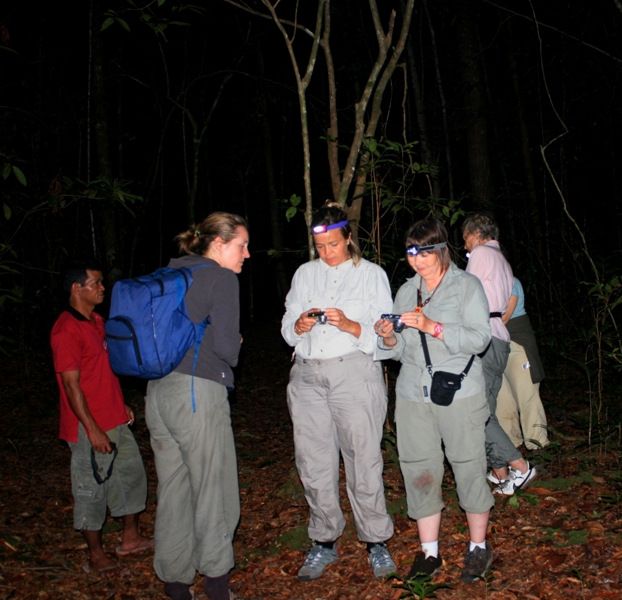
This year the Foundation received a grant from the Rufford Foundation for a Camera Trap Programme at Pondok Ambung. This is an important development, as this research site is within the Tanjung Puting National Park (protected since 1982). Foundation staff have helped protect the park and the site since 1998. With this duration of protection, the park and its biodiversity has remained mostly undisturbed – a pristine forest in Central Kalimantan, Indonesian Borneo. The Foundation has hosted many students at Pondok Ambung - a chance for Indonesian students to conduct biodiversity research. Now with these cameras, we can catch a glimpse into more elusive wildlife...

Earlier this year, 10 camera traps were installed within the research site. The Foundation ensured there was no human activity in the study area for two months before the camera traps were installed. This lack of disturbance encourages more animals to travel past the camera traps. Foundation staff carefully selected the positions for the traps, and our hard work paid off!

Just one month after the camera traps were set up, we are excited to see the first collection of photos...  as well as those shown below, we also have seen crestless fireback (Lophura erythrophthalma), lesser mouse deer (Tragulus javanicus), Bornean red muntjac (Muntiacus muntjac), pig-tailed macaque (Macaca nemestrina) and the Malayan porcupine (Hystrix brachyura)!

Macan dahan (Neofelis diardi)

Babi hutan (Sus barbatus)

gBinturong-(Artictis binturong)

Kucing kuwuk (Prionaliourus bengalensis)

Musang (Viverra tangalunga)

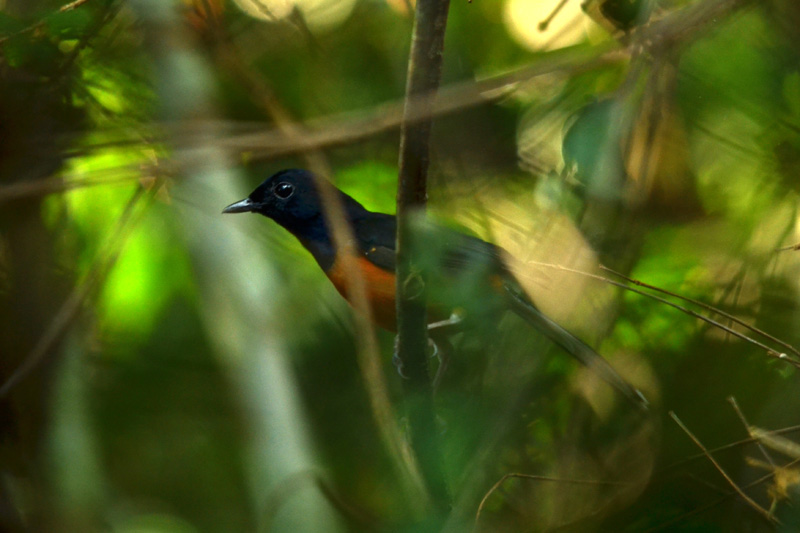
Sempidan biru (Lophura ignita)

To get a snap shot into the lives of these rare and endangered species is truly special and important. Many of these creatures may be more endangered than currently listed (on IUCN Redlist – click here), so knowing where different species roam, and estimates of population size, are crucial.

It's fantastic to see this much biodiversity within 30 days. In this location, there is much potential for further scientific analysis. We look forward to future results - who knows what else we will see! To support the Foundation’s scientific research and the protection of orangutan habitat, please donate here or get in touch!

Great times ahead: this November be #OuAware14

OuAwarw Dear all,

Exciting times are coming up! Although November seems far away, time goes quickly... So when is Orangutan Awareness Week 2014?!

This year's Orangutan Awareness Week will be held 10th-16th of November, with ORANGE DAY on the 12th (the Wednesday - as always).

We are already sending schools materials and the orange costumes are getting an Autumn clean. Our ambassadors are putting up posters and we really can't wait to see everyone's efforts in 2014 to help save orangutans.

It is important to dedicate a week to raising awareness and raising funds. It is a time where all and any communities can come together and do small and big things to support the safeguarding of Indonesian Bornean habitat. All funds raised will go towards the conservation of orangutans in critical orangutan habitat. Our work prioritises conservation of standing forests and local capacity building to ensure orangutans and amazingly diverse habitat are protected into the future. See some ideas and stories of our Awareness Weeks here!

We'll be collecting all the photos of YOU, fun-loving public having a good time for orangutans, so please stay in touch - see all the fun on facebook too!

Be orange, be daring, have fun, and swing towards helping...

A Future for Orangutans, Forests and People

Camera trapping to save species

The Orangutan Foundation are proud to be partners of a groundbreaking Camera Trapping Project with Yayasan Orangutan Indonesia (Yayorin) and The Orangutan Tropical Peatland Project (OuTrop) - allowing us to document animals that have never been seen before in the remote and highly diverse area of Belantikan Hulu. Here, Susan Cheyne, co-coordinator of the project, tells us about the initial results... Check out the stunning footage we got; sun bears here, an orangutan here and a pangolin here.

"July 2014 sees the end of 2 years of camera trapping in 6 forests across Kalimantan. 160 camera traps were set out covering at total of almost 700km2 of rainforest. The final forest to be surveyed was started in February 2014 in collaboration with Yayasan Orangutan Indonesia (Yayorin) and the Orangutan Foundation UK (OFUK).

Orangutan Belantikan (5)

Clouded Leopard Cam C21 20-03-2014 0457h

The Belantikan-Arut area in Central Kalimantan, whose core area is Belantikan Hulu, is a spectacular landscape spanning 5,000km2 hectares across Central and West Kalimantan, is known to contain the largest single population of orangutans outside of protected areas.

The results of this work are very exciting. Not only were Sunda clouded leopards confirmed in this forest but also the elusive banteng. The banteng is a large and rare wild cattle species and is endemic to Borneo but is not widespread across the island.

Banteng Belantikan  (21)

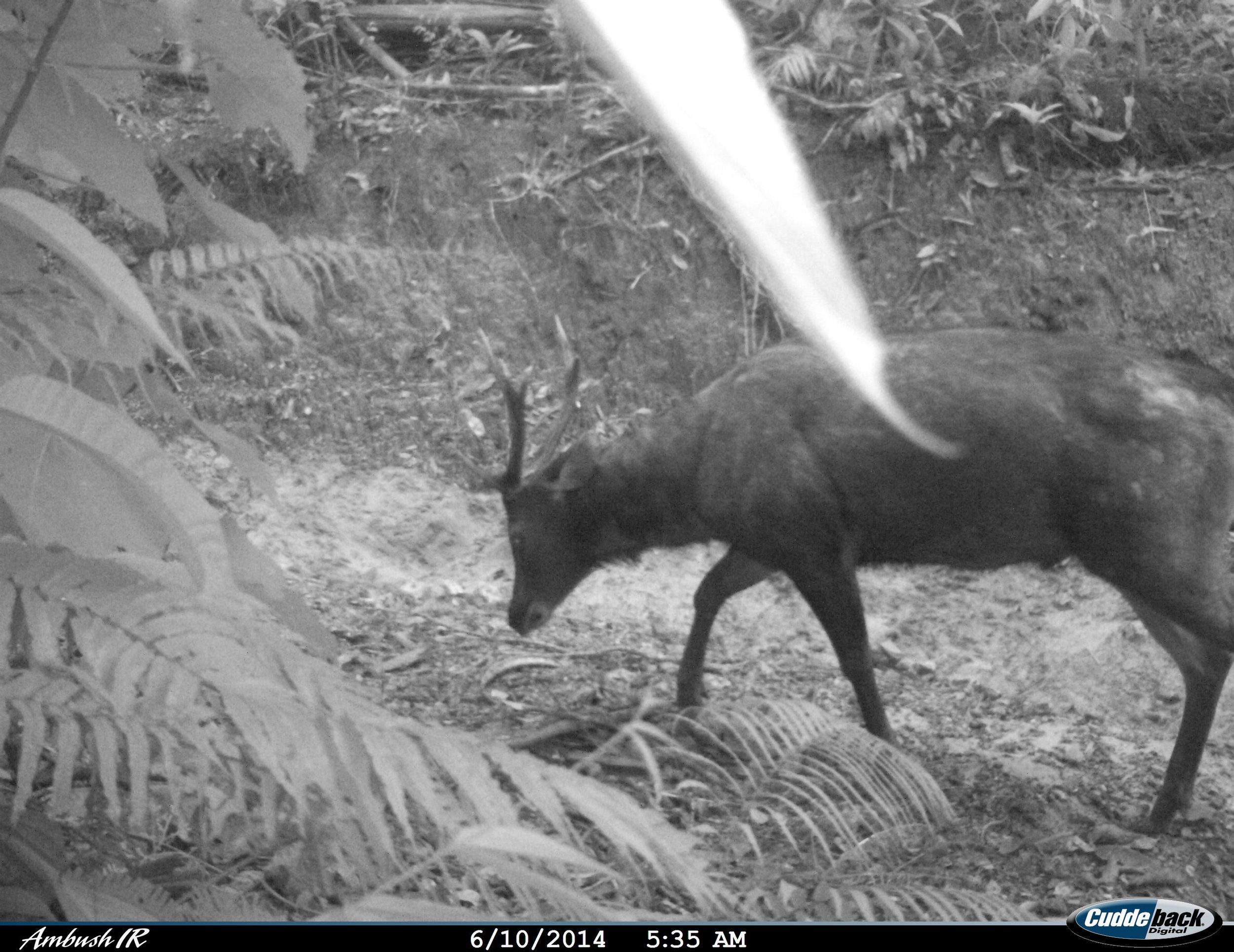
Sambar deer Belantikan (26)

Of course orang-utans featured on the camera traps, adding to the recent information that the man of the forest in fact spends a lot of time on the ground. Not only were large males caught on camera but juveniles and mothers and infants travelling on the ground.

Of great interest is the number of deer and bearded pigs especially the majestic Sambar deer, largest of the 5 species on Borneo. Good eating for a clouded leopard!

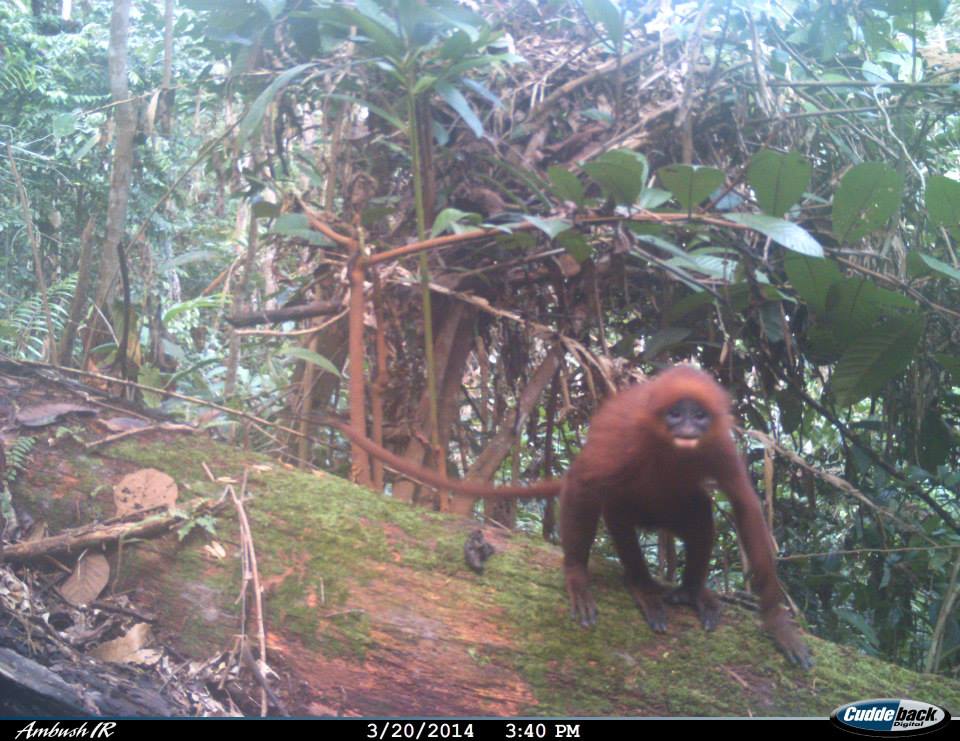
Red langur Belantikan (1)

The white-fronted langur (see closely related species - the red langur - pictured above) is normally swinging up in the canopy, but like many primates, also comes to the ground. This species has a very patchy distribution across western Borneo and confirmation of the presence in Belantikan is important new information.

Sun bear Belantikan (1)

Sun bears are the smallest of all the world’s bears and have the longest tongue of any bear! Females generally have 1-2 cubs each year. We were fortunate to have surveyed during the time of year when cubs are venturing out and about with their mother and captured some wonderful photos and videos of their interactions.

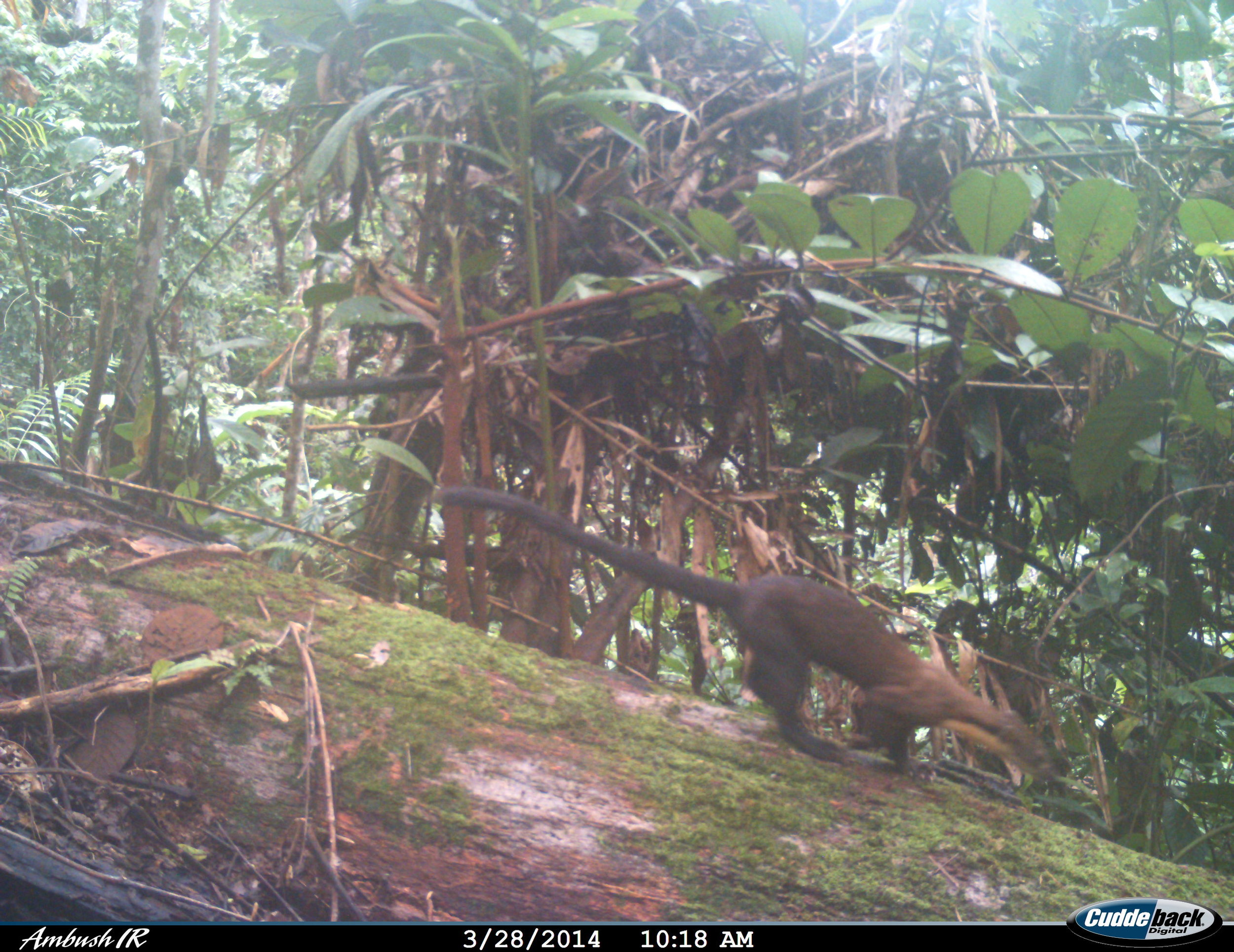
Yellow-throated marten Belantikan (3)

The little yellow-throated marten is apparently widely distributed throughout Borneo but not much is known about these animals. Living alone or in pairs, they are active at both day and night. Although listed as IUCN Red List Least Concern, nothing is known about the population numbers on Borneo.

Pangolin Belantikan

Camera traps provide an amazing and unique view into the wildlife of the forests we are working to protect. Almost each photo provides new information about behaviour, distribution or activity of these animals."

Check out our recent blog for more amazing photos, or get in touch about any of our projects!

Amazing orangutans pictures...

These wonderful photos have just been sent to us from the field, all taken by Foundation staff in the protected Lamandau Wildlife Reserve. These re-introduced individuals, some who were re-introduced years ago, are now well known by the Foundation staff. Many of the females have had offspring since their re-introduction to the Reserve, living in a safe and healthy environment. With this window into their world, we can see how they are getting along... e Amoi and AlexDSC_3824

e alex DSC_3749

e Alex play DSC_3857

k Amoi and Alex DSC_3830

k Badut dan BB DSC_3777

k BB DSC_3783

k e amoi and AlexDSC_3829

k e Luxi and Luna DSC_3821


#Rainforestlive. The Foundation join 11 conservation and ecological organisations for a biodiversity-day!

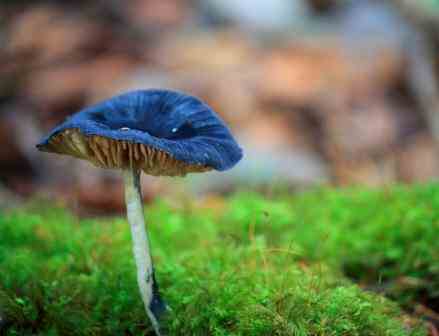
Fungi - Pondok Ambung Nov 11The Foundation are collaborating with conservationists to give a 24-hour window into wildlife of remote rainforests, using facebook and twitter!  On 2 June 2014 conservationists are coming together to share 24 hours of wildlife sightings from rainforest locations across Southeast Asia. The Foundation were asked to take part and are excited to see what we can see from so many fabulous locations across the working world of biodiversity.

'Rainforest: Live' will take advantage of social media, using the spread of technology to allow everyone to see and learn about even some of the most remote corners of the globe.Rainforest Live Large 2

Photos, videos and wildlife sightings will all be shared live. The 11 respective rainforest field sites will all use the hashtag #rainforestlive. Do ask us or any of the organisations questions using the hashtag!

Ashley Leiman, OBE, Director of the Orangutan Foundation, said “this collaboration brings home that deforestation effects not only the wildlife, but is the third largest cause of green house gas emissions and so effects everyone on the planet. Days such as this highlight how much researchers are learning, with a view to achieving more conservation successes on the ground.”

kenoDSC_6184

Matt Williams, Communications Manager for OuTrop said “If people in Southeast Asia and across the world are reminded of this incredible natural gift, then we have a better chance of saving tropical rainforests everywhere. Rainforest: Live is an unprecedented event bringing live sightings straight from the jungle. Members of the public can take part by using the #rainforestlive hashtag to ask questions they’ve always wondered about to rainforest experts.”

“We’re excited to participate in this event,” says Dr. Cheryl Knott, Executive Director of the Gunung Palung Orangutan Project, “as Rainforest: Live will provide an exciting ‘virtual experience’ for the pubic – a way to simultaneously travel to rainforests throughout Southeast Asia and experience the regions’ incredible biodiversity.”

Can't wait for Monday - hope to see you online on the 2nd! 

Orangutan Tropical Pealtand Project – FacebookTwitter

Orangutan Foundation UK – FacebookTwitter

Harapan Rainforest – FacebookTwitter

Gunung Palung Orangutan Project – FacebookTwitter

Orangutan Land Trust – FacebookTwitter

HUTAN – FacebookTwitter

Selamatkan Yaki – FacebookTwitter

Sumatran Orangutan Conservation Program – FacebookTwitter

Integrated Conservation – FacebookTwitter

Burung Indonesia – FacebookTwitter

RSPB – FacebookTwitter

"Us and not us" by Ashley Leiman - Director of the Orangutan Foundation

Ashley Leiman OBE, director of the Orangutan Foundation, explores the complex relationship between man and our closest relatives – the great apes

Please see here : The Biologist Vol 61(2) p12-16 , for the full article.

" The great apes are often perceived differently to other animals. In many cases, it's the simple physical resemblance – we look alike – that's enough to affect how people think and feel about them. No other group of animal has the same attributes that strike a chord with people: hands with nails, eyes that mirror our own, and rich social and emotional lives. Despite this, the 21st century may see the extinction of one of mankind's closest living relatives...

Screen Shot 2013-10-25 at 09.51.11

[ ]...But there are two sides to our perception of apes. While one side emphasises the similarities, the other side emphasises the differences, how the apes are almost but not quite human. This duality occurs across the world, but is perhaps strongest in the west.

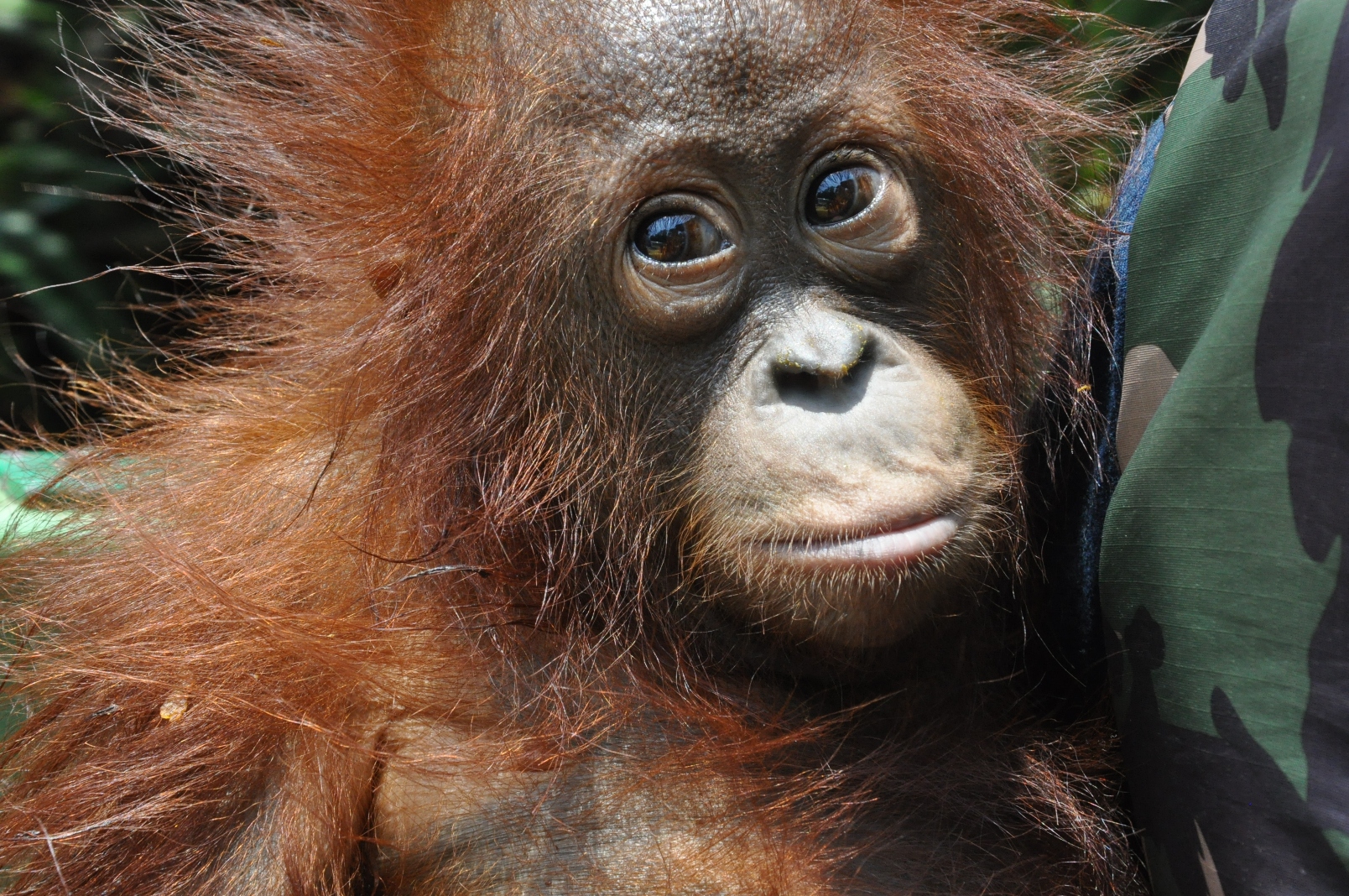
Joson, 4 year0ld  rescued orangutan


[ ]...No one is deliberately trying to wipe out the great apes. The present situation shows little more than a lack of care, both nationally and internationally. This is the point where western and indigenous attitudes to the great apes intersect. The fate of the apes rests finally with the inhabitants of ape-habitat countries, be they individuals, communities or governments. However, the west or developed world has a duty of care, for it's the western world order (and its demand for products and raw materials from ape habitats) that has given rise to so many of the problems the apes face.

Bornean orangutan by Ian Wood

"As long as they [apes] are able to roam the earth, hooting, leaping, munching, breaking branches, beating their chests, or simply sitting gazing quietly into the sunset, they will act as a perpetual and vital reminder that we are, after all, little more than brainy, naked apes." (Morris & Morris, 1966). "


Please consider donating to the Foundation here... You can contact us - Ashley and the team - on info@orangutan.org.uk

And still more orangutans to be rescued....

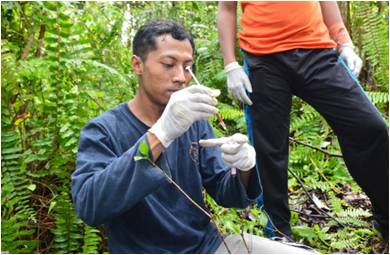
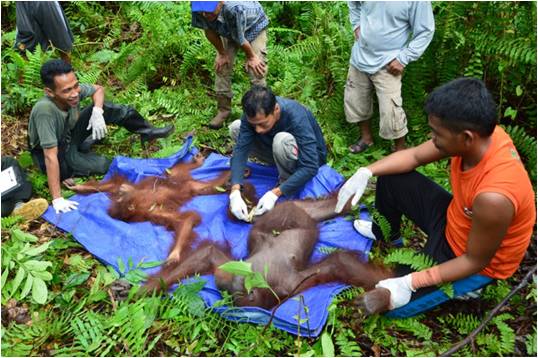
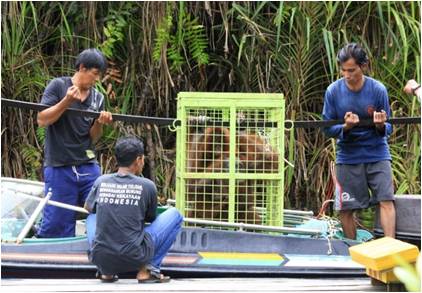
Picture9 The Foundation is always asked 'How is the situation - facing the orangutans?'. We answer 'The Foundation is making progress', in one way by working closely with villagers and oil palm companies to mitigate human-wildlife conflict'. This strategy is working, as the Foundation is called upon to rescue stranded orangutans, rather than the individuals being harmed. Within one week in April, the Field staff were called upon to translocate four orangutans that had entered villager's farm land. One orangutan was found in a chicken farm and had eaten bananas and coconuts from the orchard on her way! These situations must be extremely frustrating for the farmers and yet rather than injure the marauding orangutan, the local people now know that there is an alternative, and that is to call upon the Rescue Team (OF and BKSDA).

Picture11


Picture17

That same week, a female orangutan with two offspring was found in a farm of maize and bean crops. Again the land owner did the right thing by requesting that the orangutan be translocated. All these orangutans were given comprehensive health checks (see above), and when found to be healthy were re-introduced into the Lamandau Wildlife Reserve. Without protected areas such as Lamandau, the fate of these orangutans would be unknown. The reserve is a haven not only for orangutans. Recently a gibbon and a salt water crocodile were released (in fact in that very same week!). It is worrying that the loss of habitat is not decreasing, but through the Foundation's work on the ground and your support, we are able to give wildlife a protected future. Have a friend or an offspring of your own to read this story? Please do share on facebook(click here) or twitter(click here). Helping these individuals to be protected, you can read more and donate easily, supporting the Foundation. Thank you for reading!

Picture4


Borneo's biodiversity; the Orangutan Foundation Research site

The new face to the Pangkalan Bun Indonesian office is Pak Arie. As our new manager for Pondok Ambung - Station for Tropical Research. The research site has been vital for many studies since 2005, including proboscis monkeys, fish, butterflies, the false gharial, orangutans and the stunning variety of bird life. Please do share on this post with your friends and family! Check out our facebook account and twitter account to keep in touch with us!

Pak Arie has already been a good addition to the team, keen to develop Pondok Ambung – new posters have been sent out to Indonesian universities about the research grants available – and you in the UK can apply too! Pak Arie recently re-surveyed the site, telling us more about two less studied species…

We think of tarantulas as primarily South American, but Borneo also have their own species - the Sweet Brown Tarantula (Aphonopelma Sp.).

Sweet Brown TarantulaOur team regularly see these nests in the day time, but would have to wait till dark to observe these arachnids nocturnal behaviour.

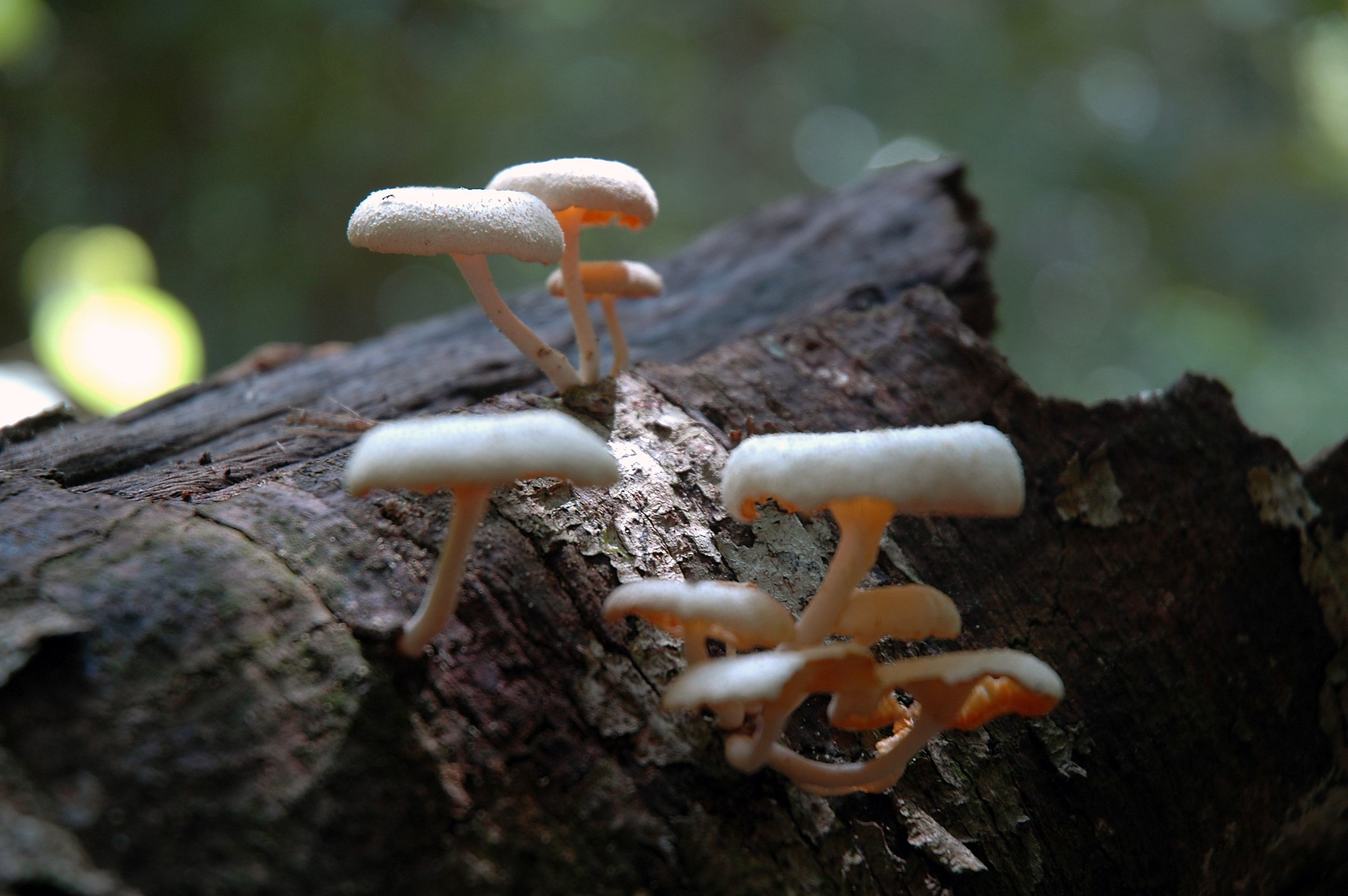
We are proud of the work we are doing on the ground, but there what about species living on the ground?! The Ling Zhi mushroom (Ganoderma sp.) was recently highlighted as an important species growing at Pondok Ambung.

Fungi - Pondok Ambung Nov 11

Within tropical areas, there is a high species diversity of macroscopic fungi, mostly unstudied within remote Indonesian forests. Data and literature on macroscopic fungi generally details those in subtropical regions that have different qualities than those in the tropics. Fungi perform essential role in maintaining the balance and composition of the soil, acting as a decomposer, which in turn helps fertilization. Fungi also can be used as drugs for their multiple medicinal uses. For example, Ling Jhi are fungi that have been cultivated in many countries such as Japan and China. Since 1999 these fungi have been used by an Indonesian company as herbal ingredients.

Dr Mark Fellowes Fungi 2

Swimming peacefully through the rivers near Pondok Ambung, the black rayed softshell turtle (Amyda cartilaginea/ Trionyx cartilaginous or Labi-labi in Indonesian) might pass you by.

Black Rayed Softshell Turtle

Turtles can be studied around the pier of Pondok Ambung. These are stunning creatures when you look at their shells, but with odd faces! They are active either day or night, usually requiring a muddy area to lay and hatch their eggs activities. Listed as vulnerable by IUCN, it’s always welcome news when we hear about sightings from the field. Pictured here, the team are measuring the turtle for our research records.

A day in the life...

We are often asked how things work on a daily basis for the Orangutan Foundation. What work is involved? How does this then help conserve Bornean forest and protect orangutans? Focusing on the London office, here is an insight into working for our conservation charity... The team We have four full time staff in the UK and fifty eight full time staff in Central Kalimantan, Borneo. The team in the UK work to provide daily support, management and to raise all funds for all the Foundation's work on the ground in Borneo. Within the UK and internationally, we work to educate and inform about conservation of orangutan populations, and how we work to contribute to their and their habitats protection.

The day Every day we receive calls and emails from anyone and everyone about orangutans and conservation. In a recent day, we had all of the following keeping us busy...

  • Requests from media groups - T.V. and film groups interested in interviews and footage from us about these great apes.
  • The Director and staff work together on helping the Indonesian office prepare for a meeting with the Indonesian government, to discuss progress over the past three years, and to lay out work plans for the next few years. This kind of planning and governmental interaction is vital for our work to continue.
  • Members on the phone about new fundraising events and telling us when they'll be popping in with their latest updates. Members do a fantastic job raising awareness and funds for the Foundation - thank you to all our dedicated ambassadors.
  • ... and that doesn't even include all the sales calls!

Our supporters are out there explaining our mission and how we are achieving great progress at our field sites - we help the general public understand what we do and how we do it. Our work focuses on five key areas - please click here or see below for more information - and each day we may focus on any of the five areas to ensure the best possible outcome for the areas with which we are able to help. We work with many different groups, including several primate conservation groups and the Indonesian Government. Communication with all our collaborators and stakeholders is imperative to this kind of work - without cooperation and working as a team, everything is slower and more difficult to achieve.

Facilitating funds to be sent to the team in Indonesia is of course one of the most important thing the Foundation does - these are the funds that make all our work possible. We rely on you kind donations, fundraising (via any and all weird and wonderful events), memberships (for those who want to be a part of the Foundation) and grants to fund all our work. We ensure our communications tell the story of exactly how all funds get used...

  • to conserve areas of forest via regular walks&boat rides ('Patrols') around the perimeter of protected areas of forest. With this human presence and source of education to local communities, encroachment and illegal activity in these areas decreased and since remained negligible since this system started.
  • to relocate and release orangutans into protected areas.
  • to support the education of local communities, facilitating families to practice sustainable agricultural techniques. We support teaching and training people in occupations that have the benefits of self-management or working in smaller, environmentally aware teams.
  • to raise awareness - clear, international outreach, communicating the need for conservation.
  •  to scientifically study the forest and species in these habitats, contributing to understanding how to help these forests last.


Introducing Keno!

On the first of March a policeman of the Sabhara Sukamara Police , Brigadier Kiki Tobing, was visting the small village of Laman baru on his day off, intending to buy durian (a famous Indonesian fruit). He could of never expected what happened next… K Keno DSC_2794


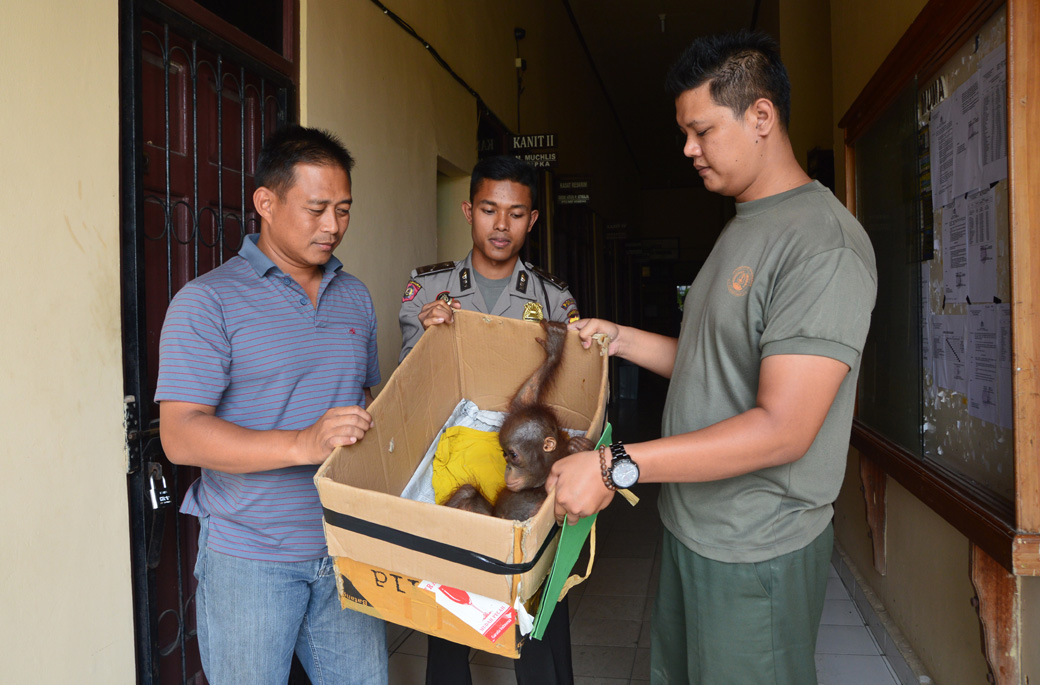
As he walked through the village, resident came up to him and, recognising Tobing as a policeman, handed him a baby orangutan. The orangutan had been found in an oil palm plantation close to the village. Tobing named the orangutan infant “Keno”.

Orangutans enter into settlements and villages because much of orangutan forest habitat nearby is being destroyed, in this case due to a palm oil plantation. This kind of industrial encroachment has significantly contributed to an increase in the number of orangutans needing to be rescued and translocated in recent years. In addition, this particular plantation and village are near the Lamandau Wildlife Reserve border, the protected area in which the Orangutan Foundation work and release orangutans into the wild. In Borneo, human habitation and oil palm plantations are often side by side. Different types of land use can be in areas very close together. Here, areas of forest are close to oil palm plantations and often to villages. Unfortunately, this makes it easy for orangutans to find their way into areas of human settlement.

Tobing reported the situation to the police, who decided to bring the baby orangutan to the local police station. It was then decided to inform the discovery of this infant to the Natural Resources Conservation Agency (BKSDA).

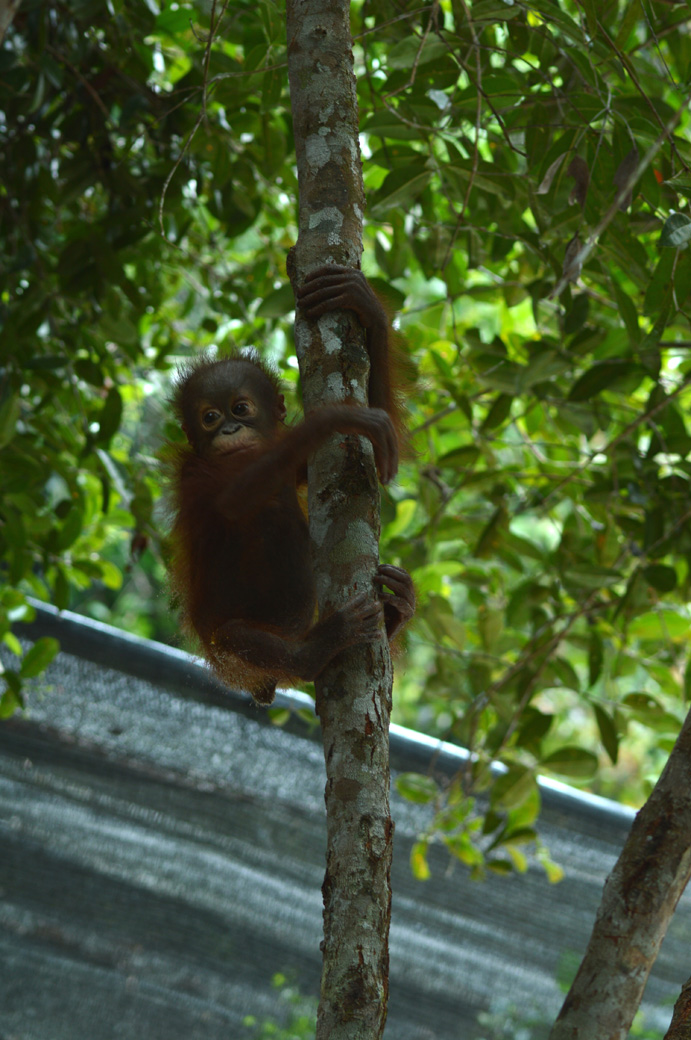
Due to this quick reporting and an organised system, the very next day, the Orangutan Foundation staff and BKSDA officers arrived (from Pangkalan Bun) to meet ‘Keno’ and it was decided to translocate him. He was kept in a transit cage at the BKSDA offices, and after a full health check and a few days to acclimatise. He was then moved to Gemini Camp (of the Orangutan Foundation camps), and Keno started his soft release programme. Staff saw that he was well and confident and so allowed him to get back into the trees again, as the staff keep a watchful eye. He had some minor bruising on his foot which has already healed up. He enjoys his diet of fruits from the forest. Now we hope to find a suitable surrogate mother for Keno. The ideal surrogate mother would either have an already independent offspring or no have no offspring at all. We'll make sure we keep you up to date with Keno's development and progress through his soft release! 


Presentation of past and future to the Anglo Indonesian Society....

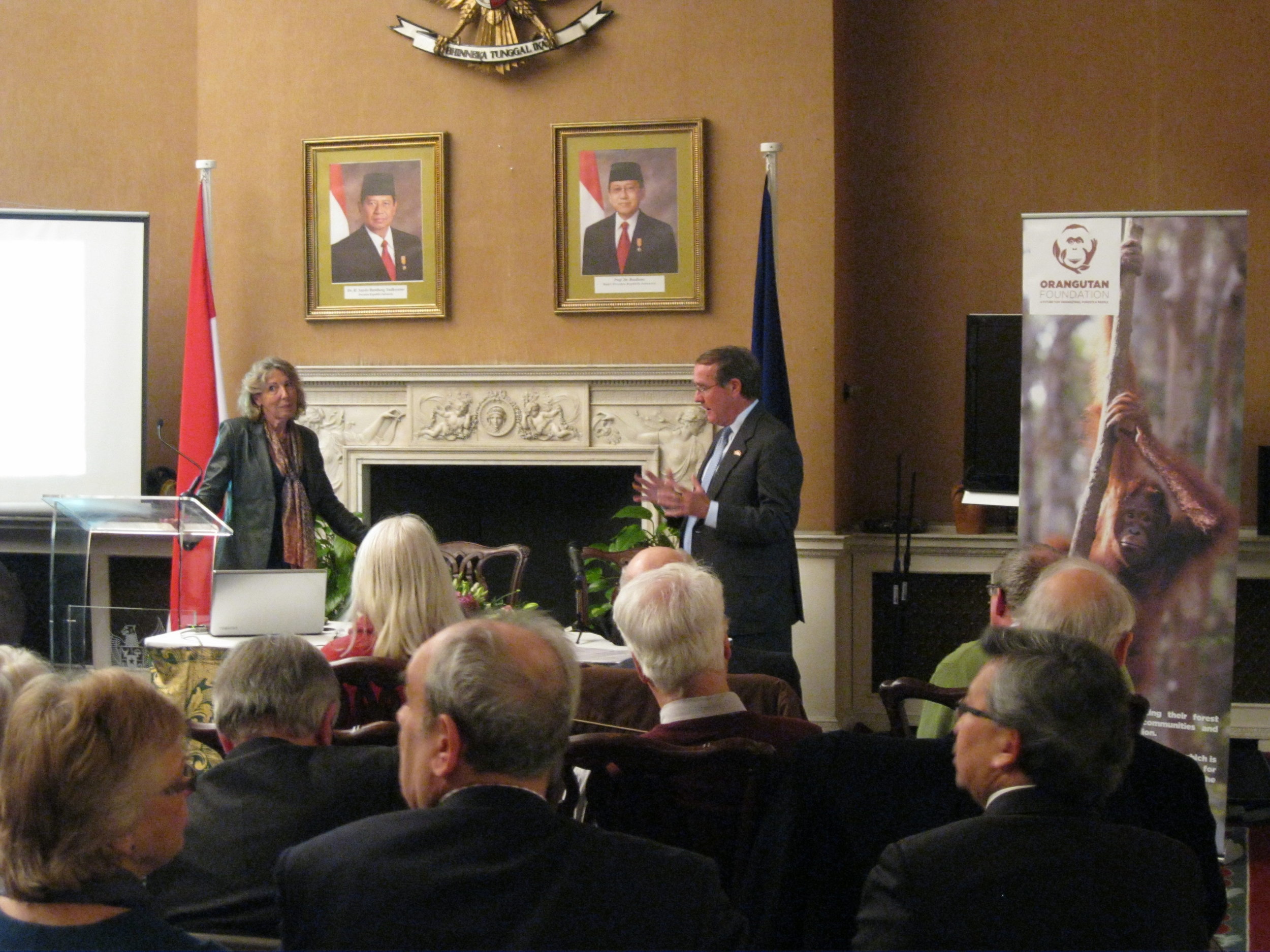
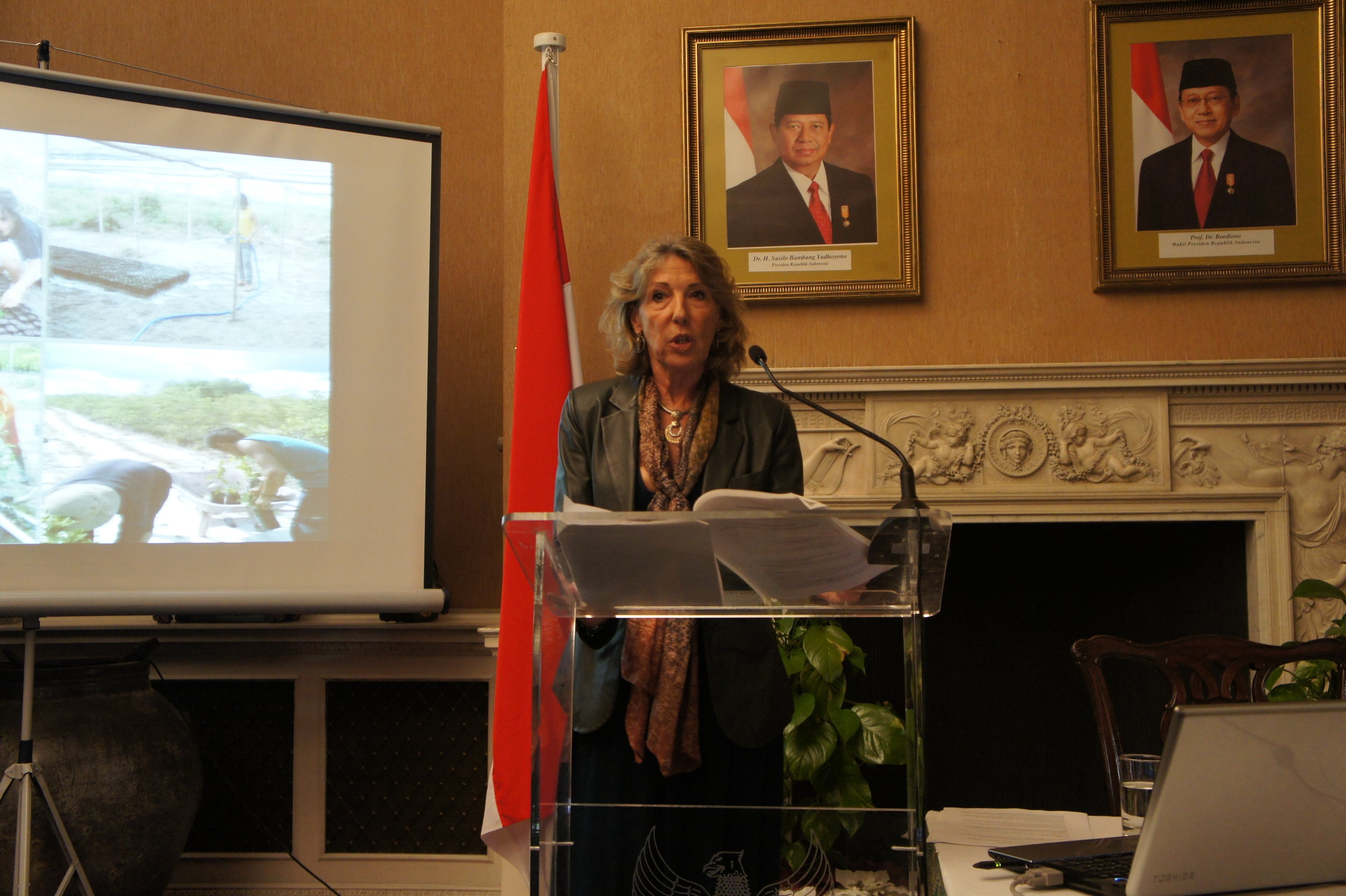
The Orangutan Foundation is always trying to reach out to new people who may be interested in the conservation of orang-utans and their habitat... Charles Humfrey, previous Ambassador of the United Kingdom for Indonesia, invited the Foundation to present to the Anglo Indonesian society, with an aim to focus on our achievements and challenges yet to come... Here we report back on our 'Past achievements and future challenges' presentation... On the 25th of February 2014, Ashley Leiman presented 'Orangutan Foundation's past achievements and future challenges' to the Anglo Indonesian society, hosted by the Indonesian Embassy in Grosvenor square, London. The evening was well attended by many of the societies members - from the beginning there was an atmosphere of seeing old friends and meet new people, anticipating an enjoyable and educational evening. People arrived to drinks and a fantastic selection of Indonesian food, ready to be served as people settled to discussing the evenings possibilities.

The audience's intrigue increased when Charles announced the collection of Bornean indigenous artefacts that were on display in the Ambassadors study. Charles had known Ashley had a large personal collection of sculptural pieces from various locations, and was pleased to agree to display some key pieces in a small exhibition on the evening of the presentation. This allowed attendees to get a further impression of Indonesian and Sarawak culture. It also re-enforced Ashley's own passion for the culture and history of Indonesian provinces - a passion that clearly continues to contribute to the Foundations work to date.

After members had received their first opportunity to catch up, eat, drink and view the stunning sculptural collection, members sat quietly in anticipation of Ashley's presentation about the Foundation. Starting with the Foundation's misson, Ashley highlighted the areas in which the Foundation work - both the locations and secondly, on the projects on which we focus - where we send 75% of the Foundation's funds.

the food

Our work with co-operation and partnership with local stakeholders and other related international organisations (including our partner project Yayorin, and local government conservation authorities, local communities, industrial sector companies, other local and international NGO’s) allows a level of communication and collaboration that is invaluable to our main aim; protecting the tropical forest habitat.

As we work toward protection and conservation of critical orangutan habitats , we are proud to be able to conduct a variety of related programmes in parallel. These, as you may know from our website, include education, awareness raising, capacity building, engaging the industrial sector, conflict mitigation, and orangutan reintroduction. Whilst habitat destruction and degradation is by far the largest threat to orangutan survival, it was pointed out that the use of idle land would mean many forests could be left standing and still allow industry to expand.

The talk concluded with an emphasis on the multifaceted work that the Foundation concentrates on. None of this would be possible without the funds coming from supporters and members of the public from all over the world. As the audience listened to the final remarks and interesting questions, Ashley was able to summarise with the following...

SONY DSC

"I have just returned from Indonesia, where I have seen the difference and progress we are making in all aspects of our work. We are committed to ensuring this will continue into the future: So we can realise our vision in which mankind can live alongside nature. Thank you all for listening to our story."

What is an orangutan?..

This week we take things back to basics...What animal are we helping to save , how and why? 

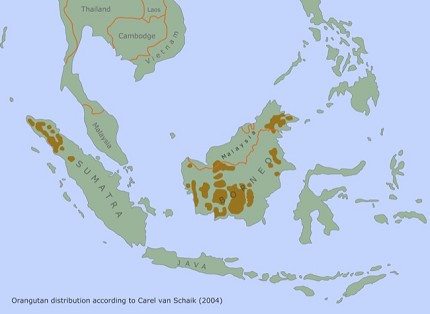
The animal About a million years ago, orangutans lived throughout much of eastern Asia, from Java in the south, right up into Laos and southern China. Today they are found only on the islands of Borneo and Sumatra - both areas of the country of Indonesia. They are the only great ape that lives in Asia and no where else. There are two species of orangutan - the Bornean orangutan (P. pygmaeus) and the Sumatran orangutan (P. abelii). The two species express slightly different physical characteristics.  The latter comes from Sumatra and is classified by a narrower face and longer beard than the Bornean species.  Bornean orangutans are slightly darker in colour and the males have wider cheek pads than their Sumatran relatives.  Behavioural differences have also been observed between the two species; Sumatran orangutans are more frugivorous (fruit-eating) and there is more evidence of tool use than in Bornean orangutans.  Under the IUCN (International Union for Conservation of Nature) Red List, the Sumatran orangutan is classified as critically endangered and the Bornean as endangered.Screen Shot 2013-10-25 at 09.51.11
 

Orangutans are the largest arboreal mammal in the world. They are also the most arboreal of the great apes and spend most of their time in trees.The preferred habitat of the orangutan is low-lying peat swamp forest – they are rarely found in habitats over an altitude of 800m.  Although they are found on both Borneo & Sumatra, their ranges are very limited.
Orangutans are wholly dependent on trees for their existence. They are perfectly adapted to life in the forest - they sleep in nests (yep - really! In nests built of leaves which they learn to construct from a young age).

Orangutan high up in tree. Photo by Orangutan Foundation

They feed predominantly on fruit and travel with ease through the forest canopy, rarely descending to the forest floor. Primarily frugivorous (eating fruits), orangutans have an important role as seed disperses. They selectively chose ripe fruit whose seeds are adapted to withstand passage through the orangutans' gut. Once excreted, the seeds find themselves in their own little compost pile, which helps them to become established.  Over 400 food types have been documented as part of the orangutans diet, and although it consists mainly of fruit, in times of scarcity orangutans will shift their eating habits to lower quality food, such as bark, leaves & termites (a valuable source of protein!), rather than travel to a different area.  As well as acting as seed disperses, orangutans help to open up the forest canopy.  This allows light to reach the forest floor, which once again helps the forest regenerate naturally. They are a vital cog in the workings of the rainforest ecosystem.  


Orangutans are unique among the primate species.  All the other apes and monkeys (check the difference between apes and monkeys here!) are social and gregarious (meaning enjoying the company of others or/and living together in groups) whilst the orangutan is semi solitary, the largest group being a mother and two offspring.  Females are less solitary and may spend up to 25% with other orangutans. In contrast, male orangutans will spend less than 9% in association with other orangutans.  Sumatran orangutans are more social and this social behaviour usually coincides with the simultaneous fruiting of the fig tree, which doesn't occur in Borneo.

Orangutans are the slowest breeding of all primates and have the longest inter-birth interval of almost eight years, of any land-based mammal. In other words they are the slowest reproducing animal on land... The female orangutan reaches puberty at ten years and will normally have her first infant between the age of 12 and 15. Offspring are dependent on their mothers for at least five years and with a life expectancy of 45 years plus, females will normally have no more than three offspring. With these factors combined, the orangutan population, especially small fragmented populations, are at considerable risk.  They don’t have the capacity to recover from disasters that may strike a population. A slight rise in the adult female mortality rate by just 1-2% can drive a local population to extinction.

Female orangutan, Amoy, with newborn Alex. Photo by Orangutan Foundation

How we work... The Foundation works to protect this amazing species via five areas of work , detailed in a bullet point list here, where you can link to read all about the work of our Bornean and UK team!

And why.... We work in this way to help the numbers of wild orangutans to increase and to preserve the vital habitat they (and so many other species) need to survive. Most recently, orangutan numbers have declined... Please consider learning more about the threats facing these habitats by reading here. Remember it's so easy to learn more and help orangutans and their habitat by telling others and by helping out in any way. If you can outreach for the Foundation in any small way , please do email us on info@orangutan.org.uk. There any many reasons why to conserve a species - some reasons to conserve the orangutan are listed below...

  • For Pongo pygmaeus there has been well over a 50% during the last 60 years (generation length estimated at 20 years, Wich et al. in press).
  • For Pongo abelii there has been well over a 80% over the last 75 years (assuming a generation length of at least 25 years; Wich et al. in press).
  • This decline continues, as forests within its range are under major threat. Most orangutans are outside of protected areas, including within potential logging areas and conversion forests.
  • The decline of the species is predicted to continue at this rate, primarily because of forest loss due to conversion of forest to agriculture and fires. The majority of remnant wild populations are located outside of protected areas, in forests that are exploited for timber production or in the process of being converted to agriculture.
  • Orangutan feeding habits have been described as “boom or bust”. Cheryl Knott in West Borneo reported that when fruit is plenty, the orangutans consumed many more calories. Females had higher estrogen levels and mating was more frequent. The opposite occurred when availability of fruit was low. Orangutans will shift their eating habits to lower quality food rather than travel to a different area. Therefore logging could have drastic effects on reproduction, by increasing birth intervals, due to lack of high quality food. For a species that already has extremely longer inter-birth intervals this is a very serious consequence.

Thank you!

Camera trap training workshop

Groups working together to protect and research Borneo means there can be an exchange of knowledge and techniques with others , to improve conservation - a vital part of conservation programmes and habitat protection. This week, Dr Susan Cheyne, an OuTrop Director, lead a workshop on camera trap surveying. OuTrop are a scientific research NGO based in Palangka Raya.

Susan, along with the OuTrop/WildCRU camera trapping team were in Pangkalan Bun at the Yayorin office (in the same town as the Foundation's office) to demonstrate within a training workshop. We are delighted to be collaborating with OuTrop and our partner organisation Yayasan Orangutan Indonesia (Yayorin) who will be placing camera traps in the Belantikan Forest in north Central Kalimantan. This group of three including the Foundation want to survey different forests with camera traps to see what biodiversity is out there!

The workshop was led by Dr Susan Cheyne and Wiwit Juwita Sastramidjaja. Present were representatives from Yayorin, Orangutan Foundation UK, local BKSDA (Indonesian Department of Nature Conservation) and Forestry. The workshop discussed the overall project and reasons for surveying different forests to determine the population distribution and density of different species as well as the practicalities of setting up camera traps in the field. Banteng (the endangered wild ox) is a particular focus of the survey, which lives in the Belantikan forest. Clouded leopards are going to be another focus of the surveying - all species seen will be documented. We are excited to see what we can find - collecting data like this provides the research which is an important tool to guide conservation management. The more the science community knows, the more can be done to protect areas and the species within them. The results with be shared with the local government to help protect Belantikan and gain new knowledge about all the wildlife in this remote ecosystem.